
Bridge Inspection & Maintenance Drone
A towable drone system that inspects and cleans the underside of bridges, so workers can stay on the deck instead of hanging beneath it.
- Year
- 2026
- Duration
- 7 weeks
- Team
- Shumo Wang
Tsunemasa Fujiwara - Tools
-





01Context
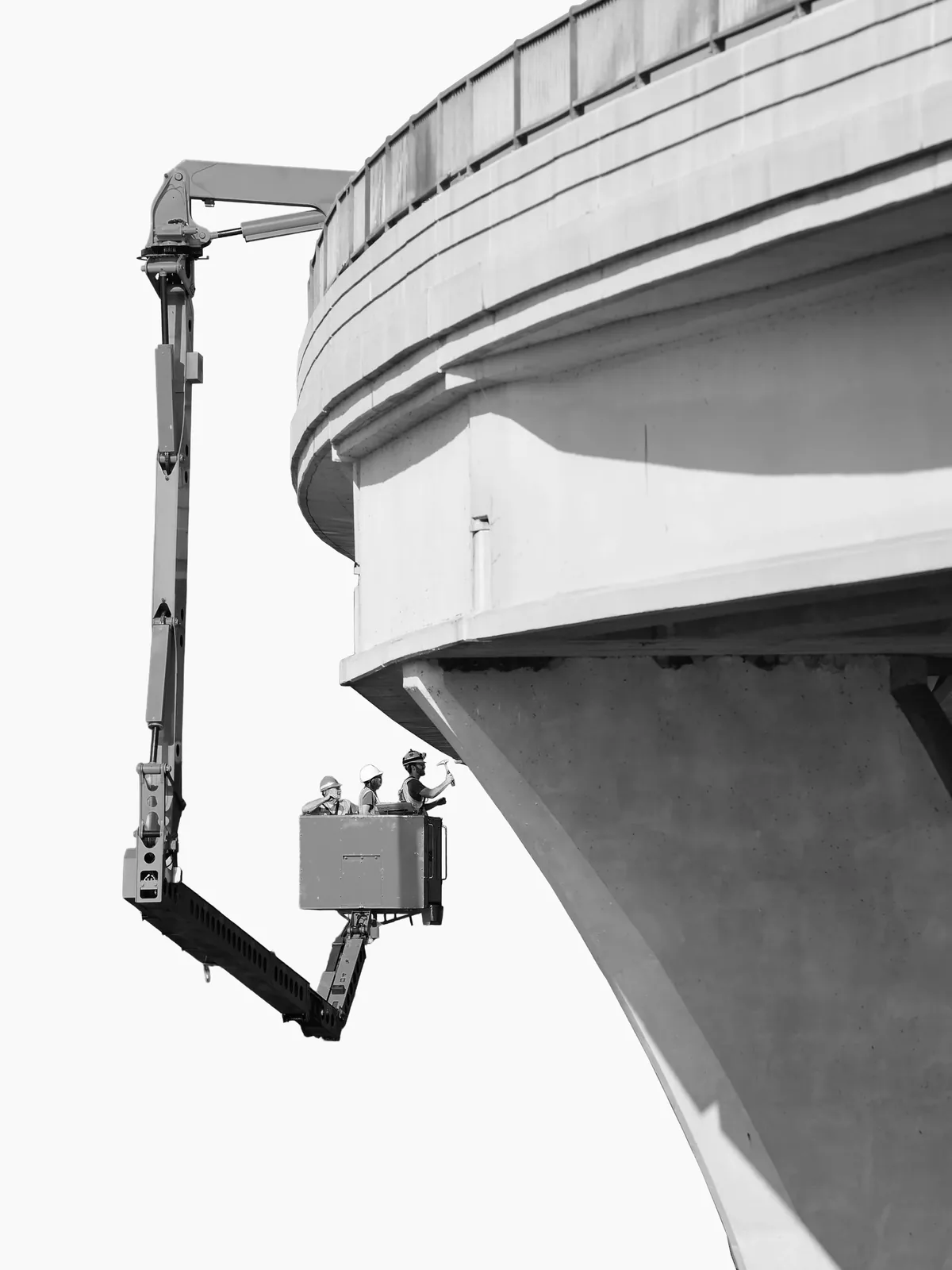
Bridge maintenance still puts people beneath the structure.
120+
fatal injuries happen in the US every year while people inspect or clean bridges.
Source: U.S. Bureau of Labor Statistics
Main causes of these injuries
 Fatal falls from height
 Physical hazards
 Weather and site conditions
$400,000
to equip a single snooper truck
3–4
workers needed on site for each job
Today’s workflow
- 01Arrive
- 02Access
- 03Inspect
- 04Clean
Even with modern inspection tools, someone still has to work beneath the bridge.
02Development
Sketches
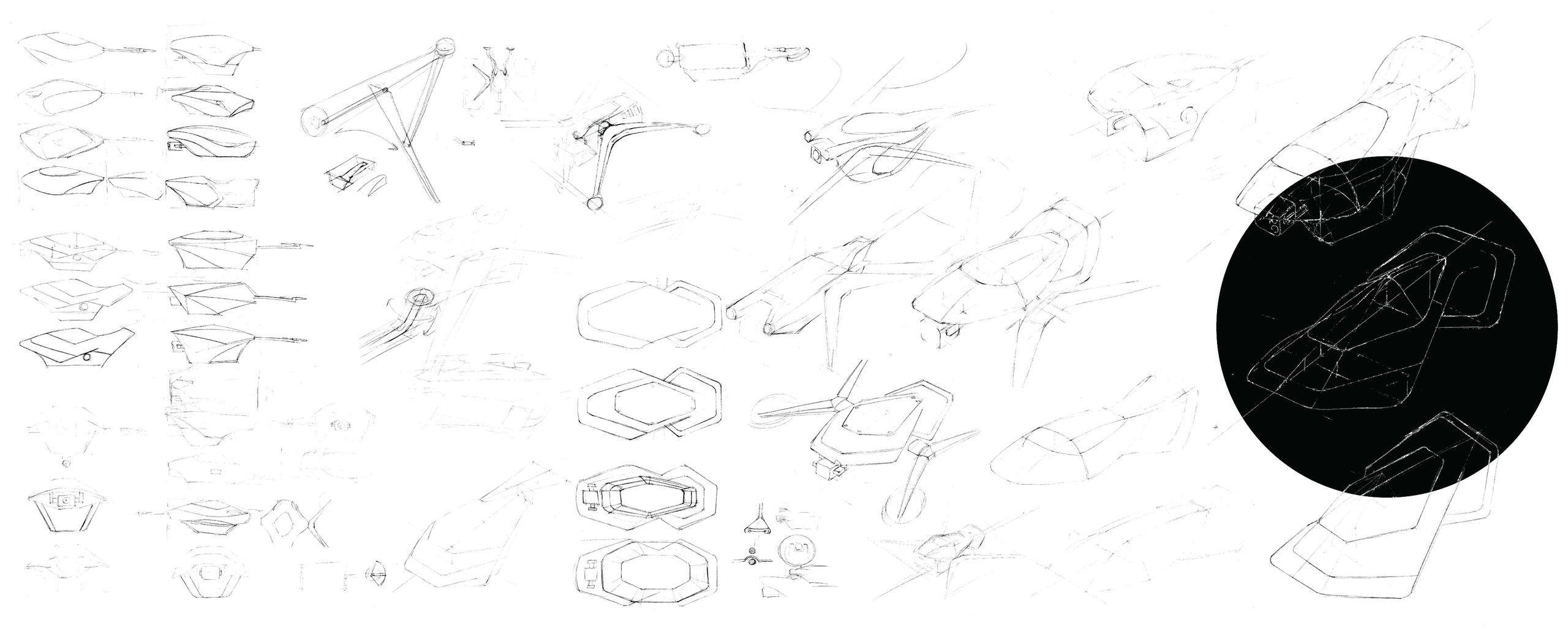
Exploring purposeful forms and structural design languages that stand out.
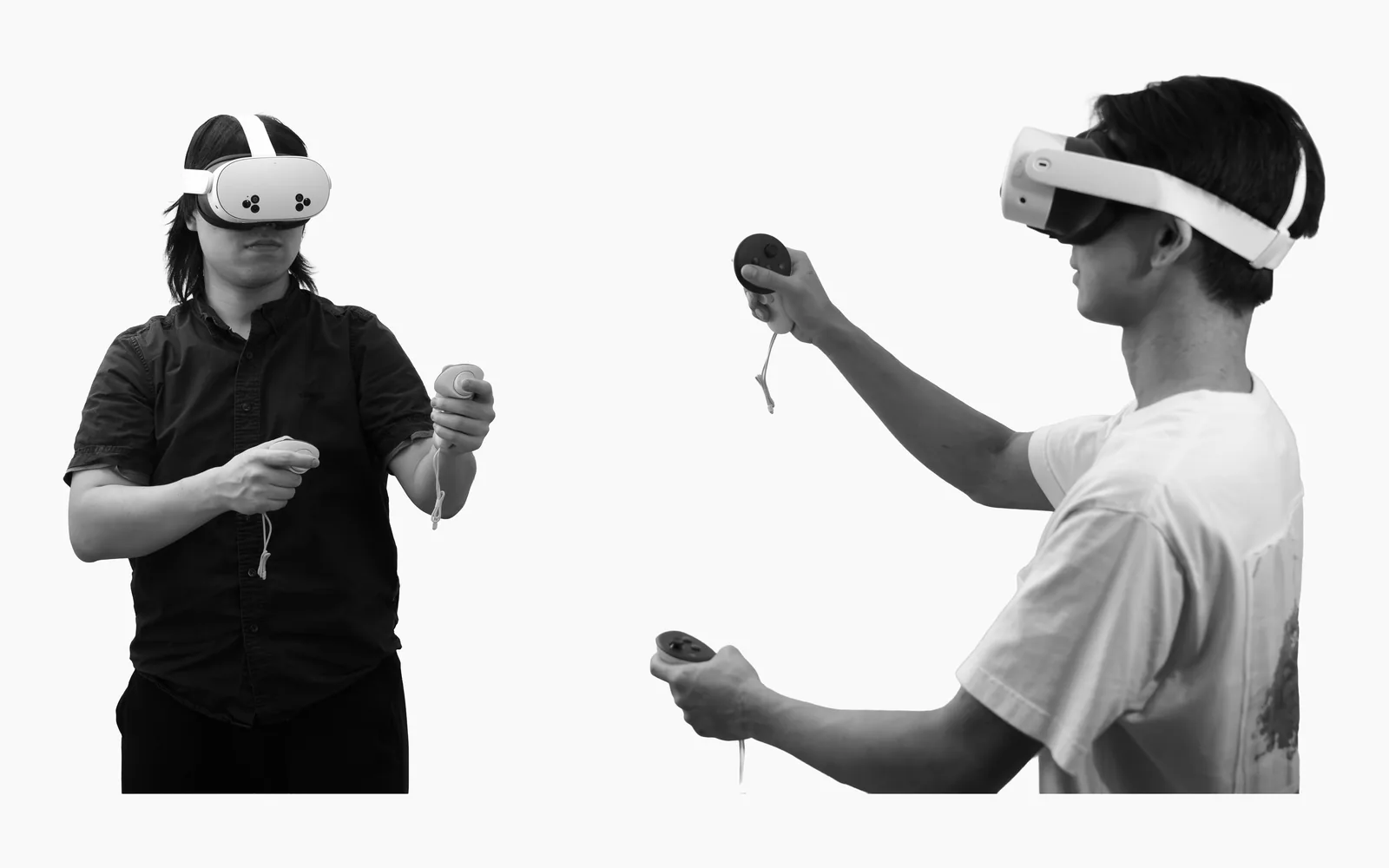
Designing together in VR
We modelled in a shared VR space in Gravity Sketch. Working in the same scene let us generate concepts quickly, test proportions at full scale and agree on a direction early.
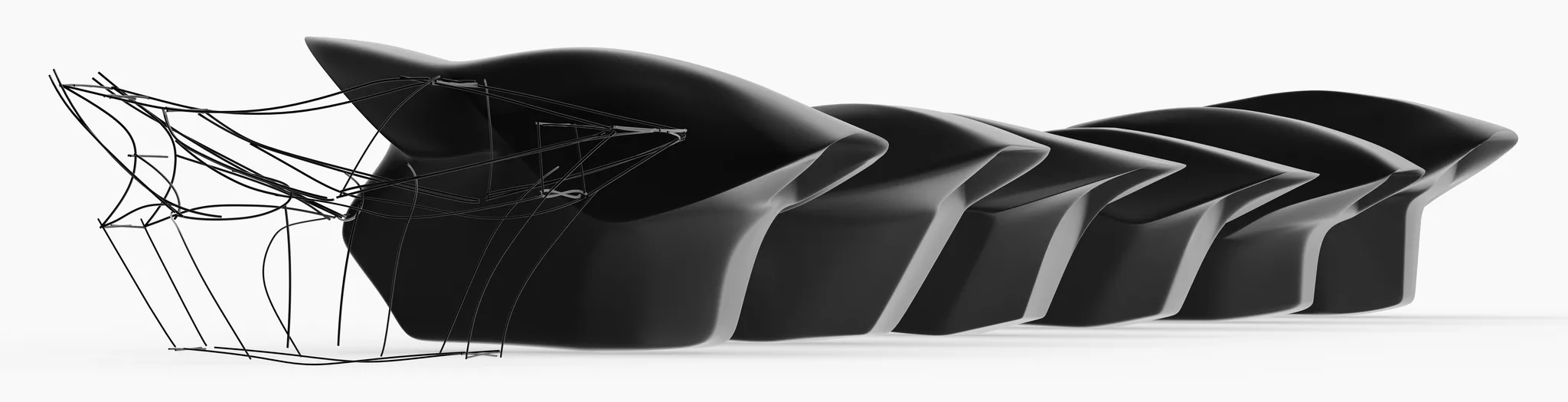
Form development, from wireframe to final shell
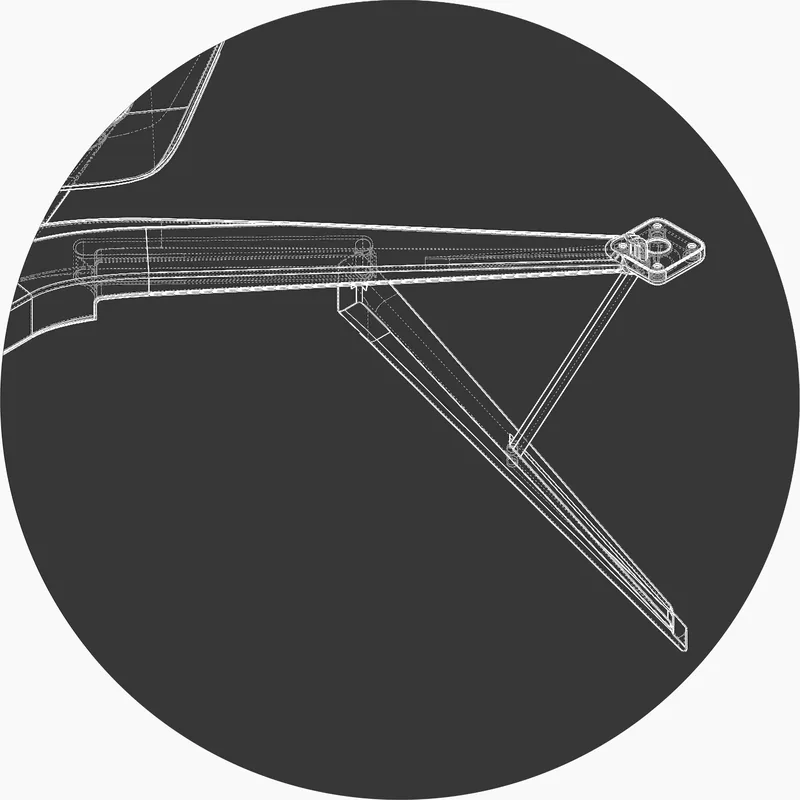
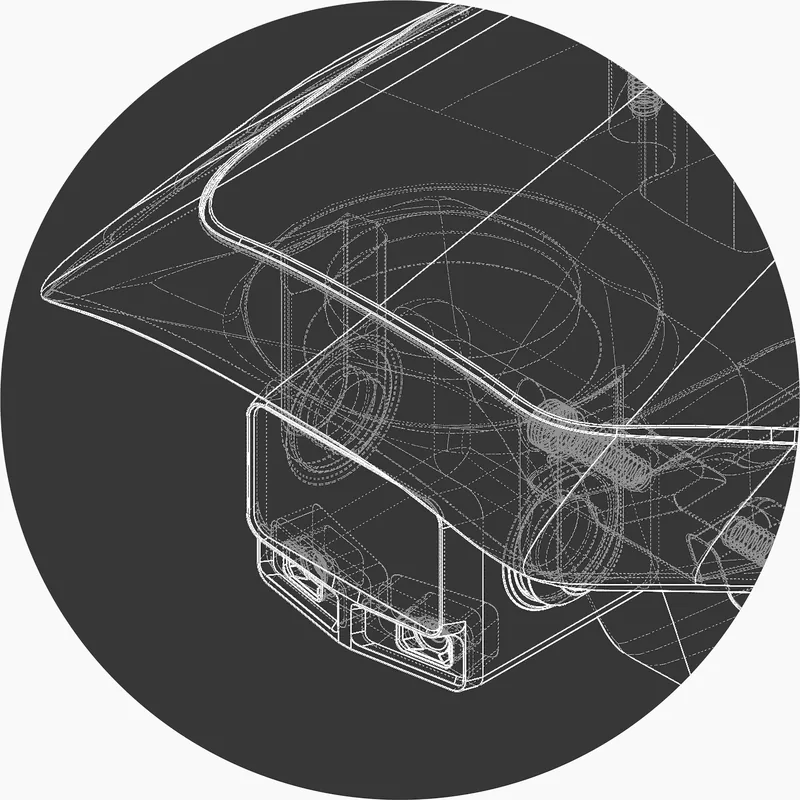
CAD modelling
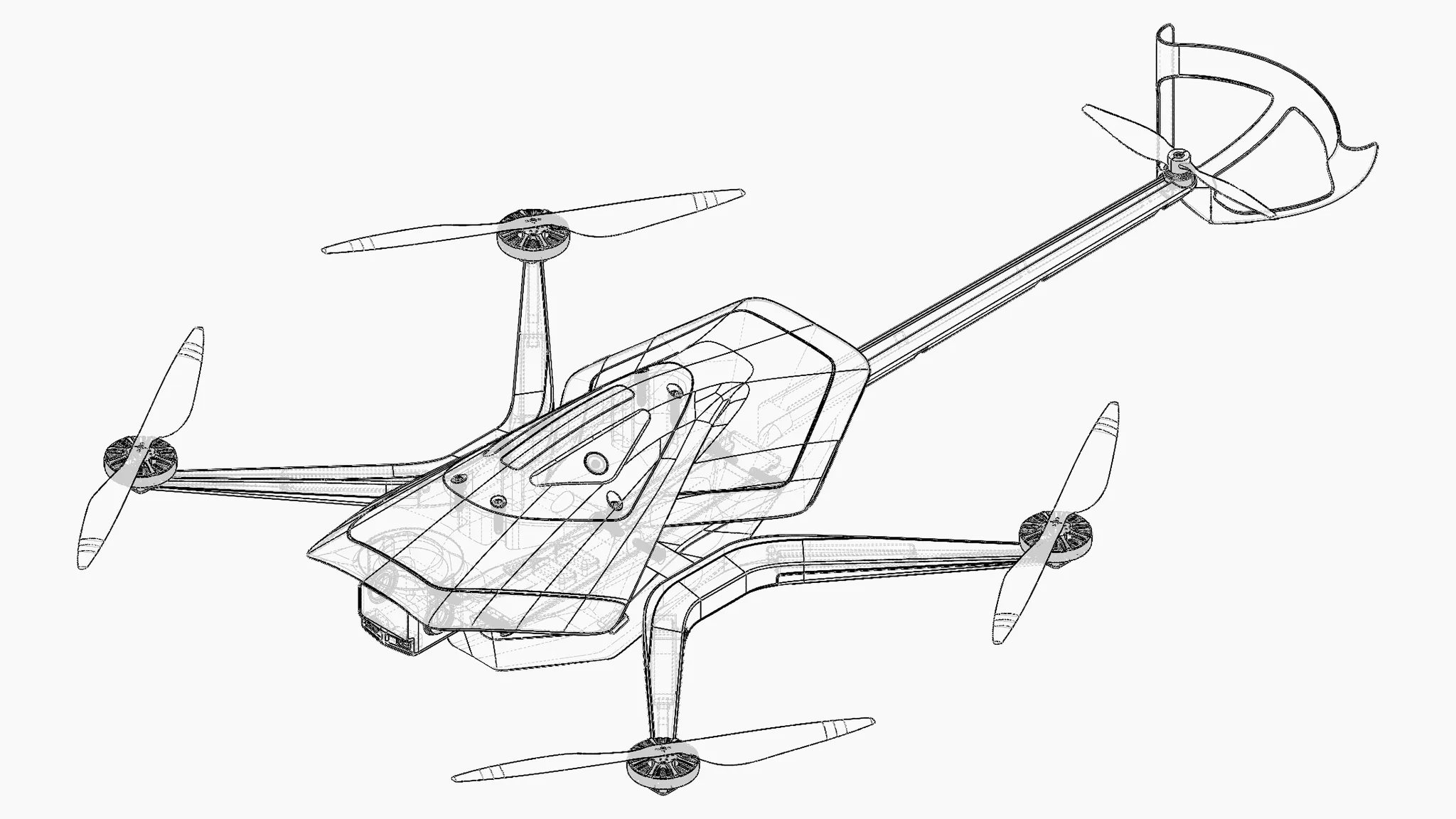
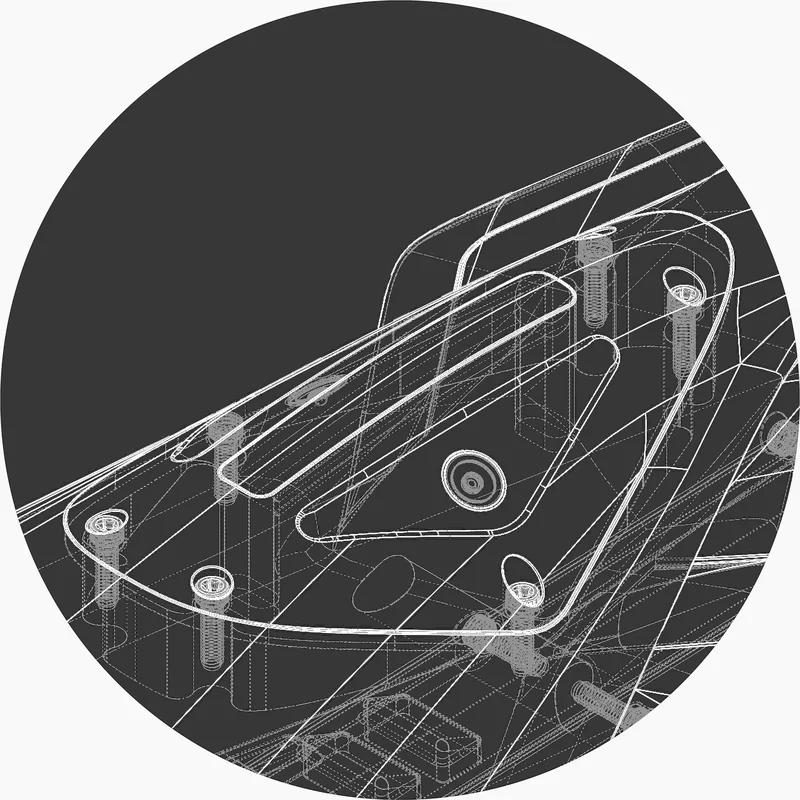
Modular design
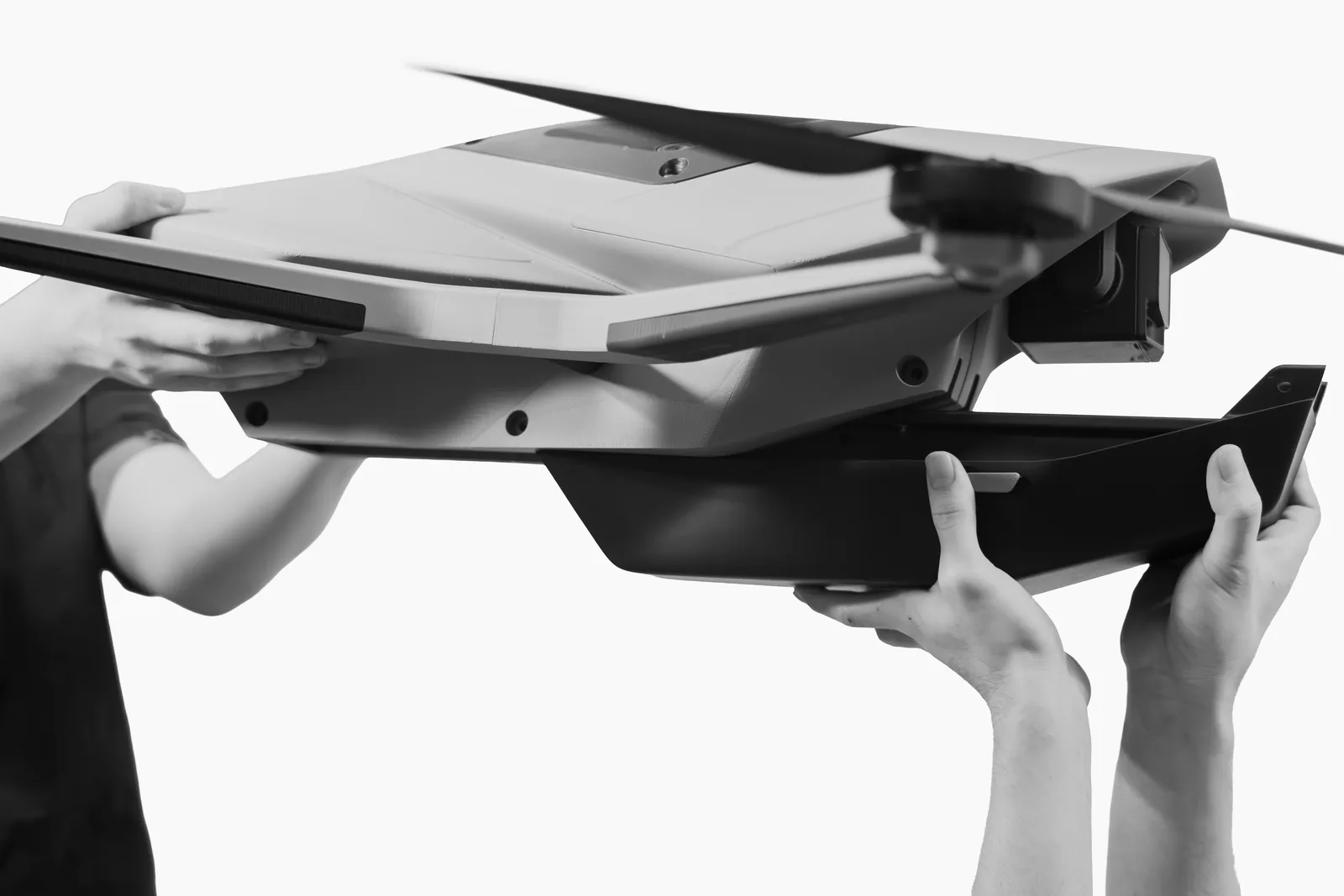
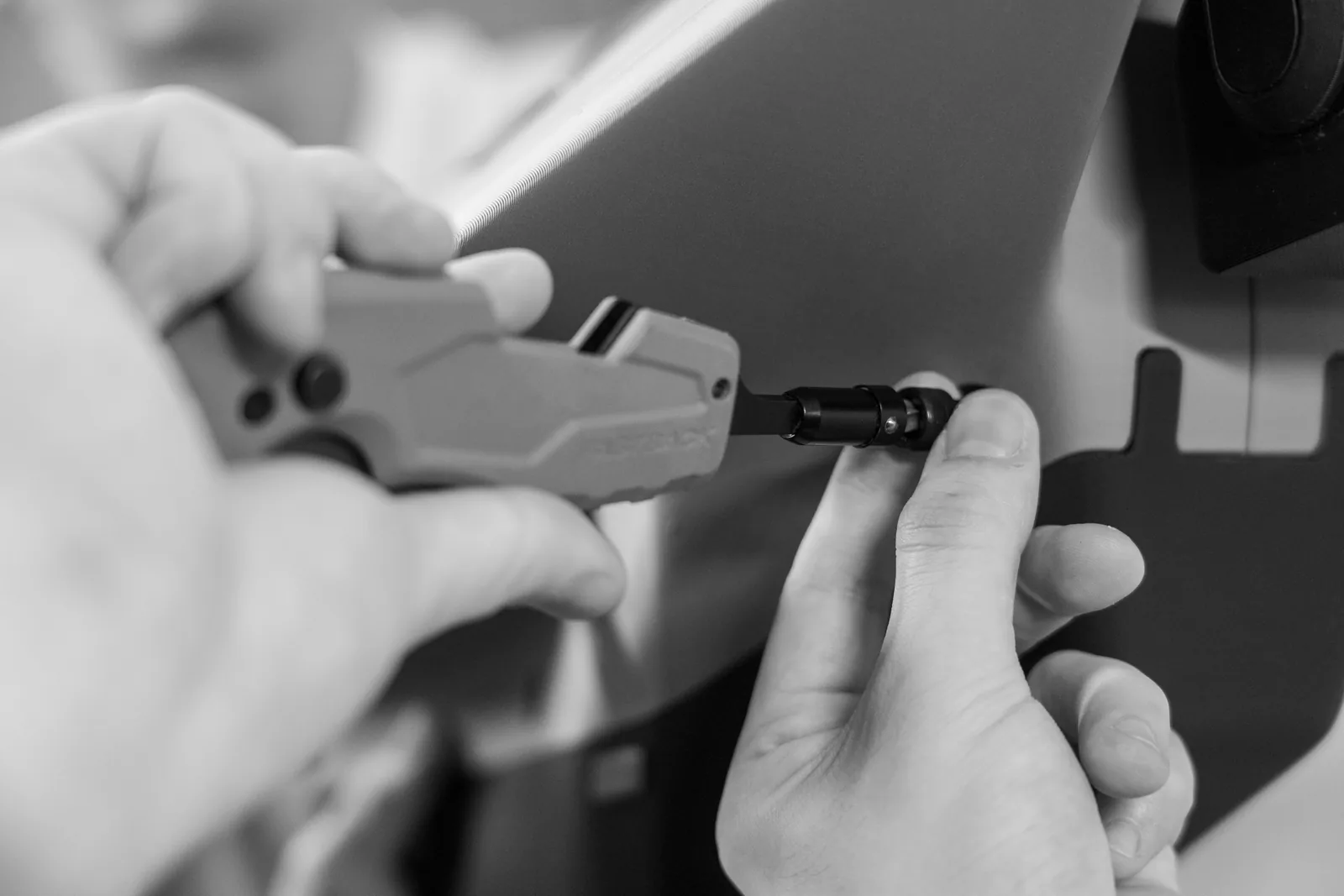
One platform, several tools. The drone swaps between a LiDAR inspection array, a high-pressure water jet and a suction-cup module, depending on the job.
03Solution
Fulcrum keeps workers on the deck.
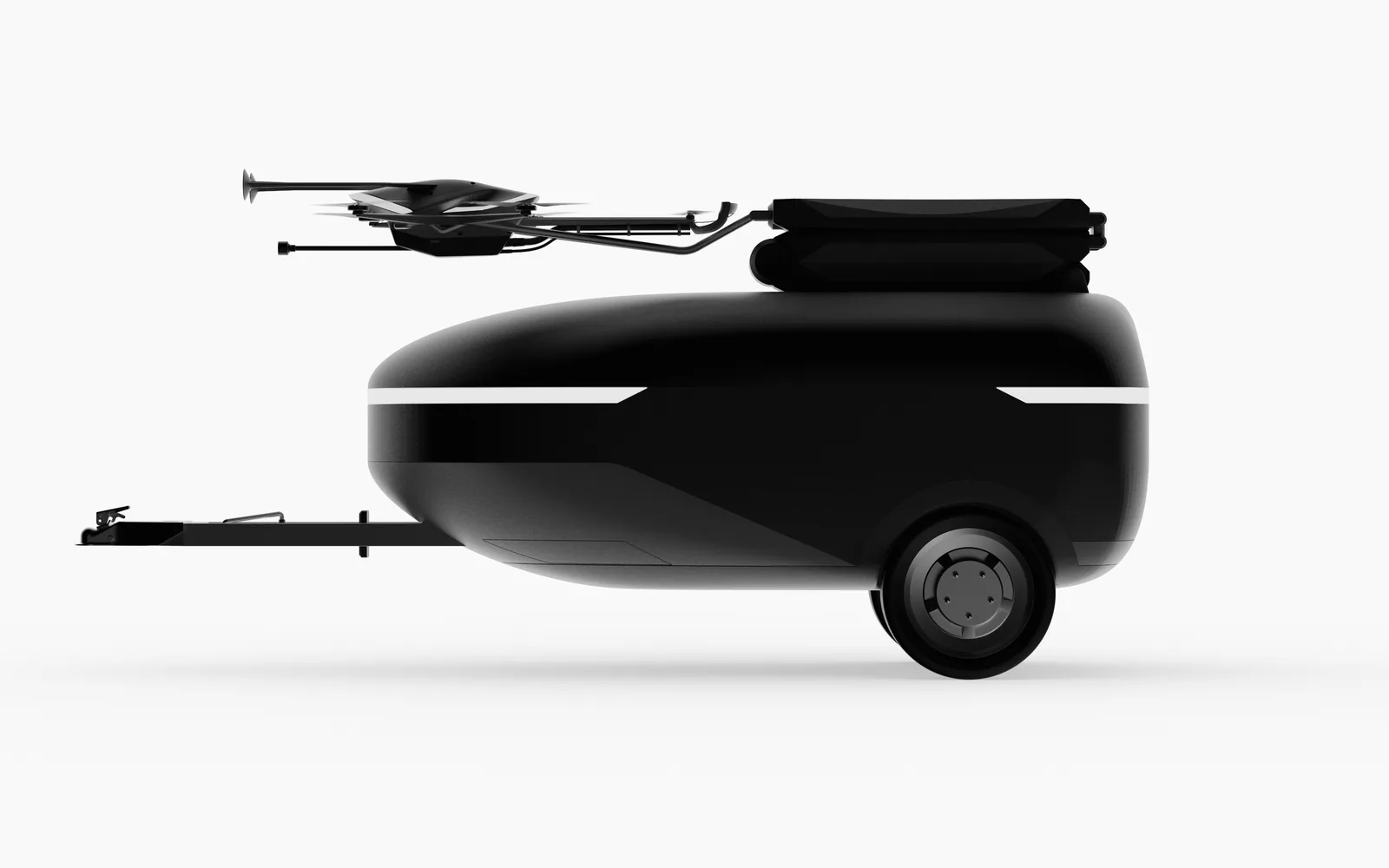
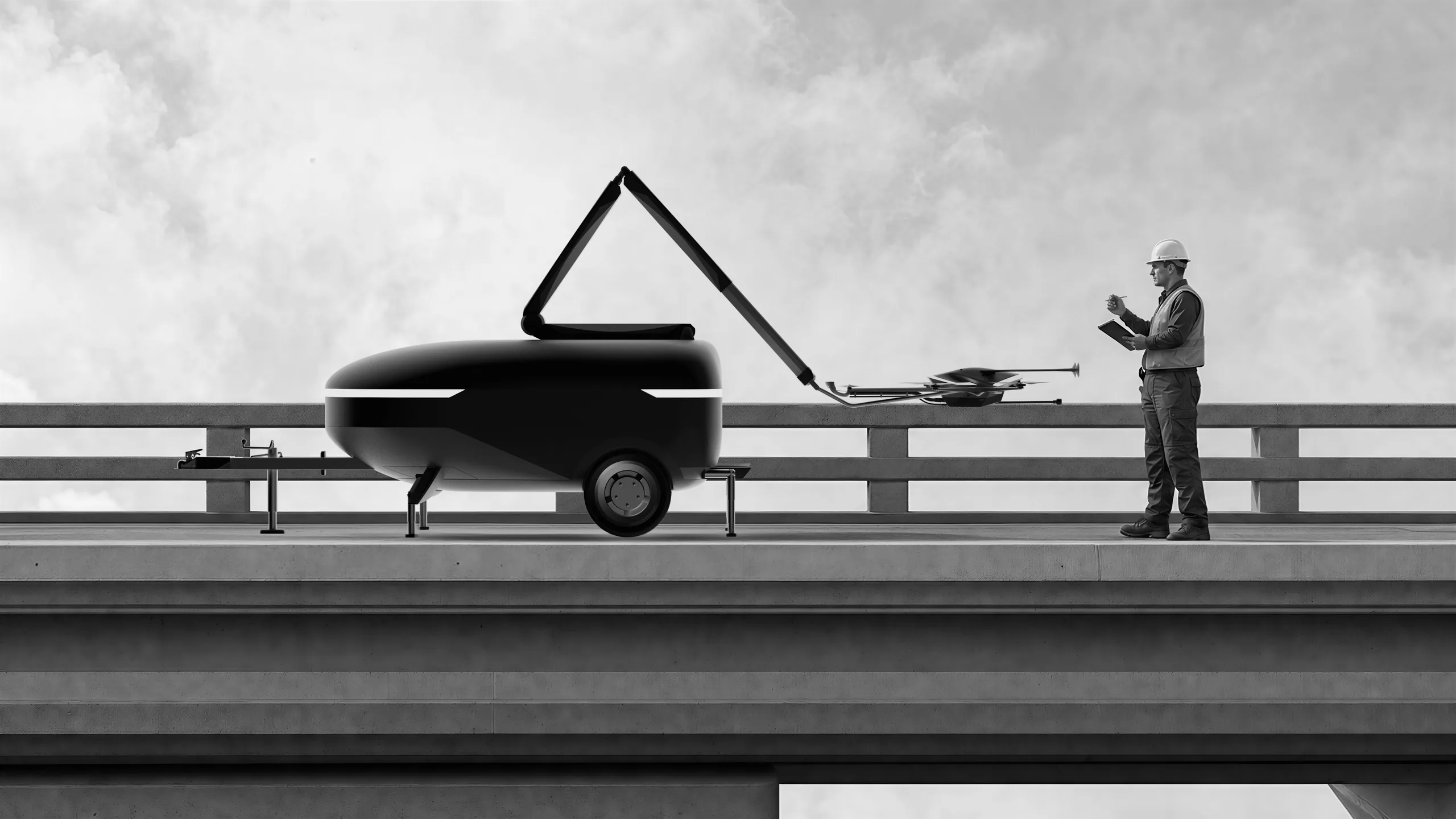
A trailer carries the drone, its water and its power. An arm lowers the drone beneath the bridge, where it inspects or cleans while the crew controls it from above.
Two configurations
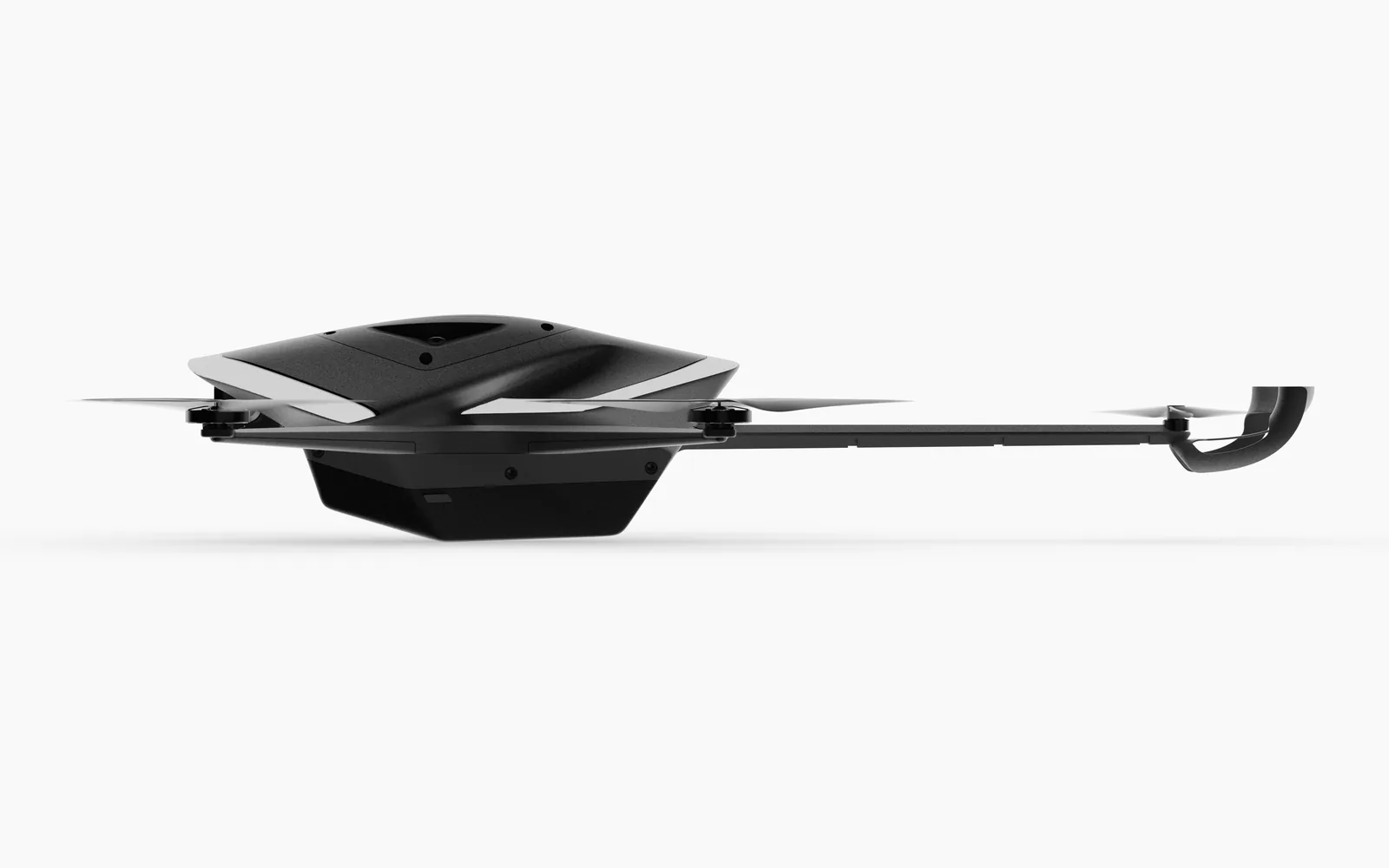
Inspection configuration
LiDAR array on top for scanning, battery pack below for longer flights.
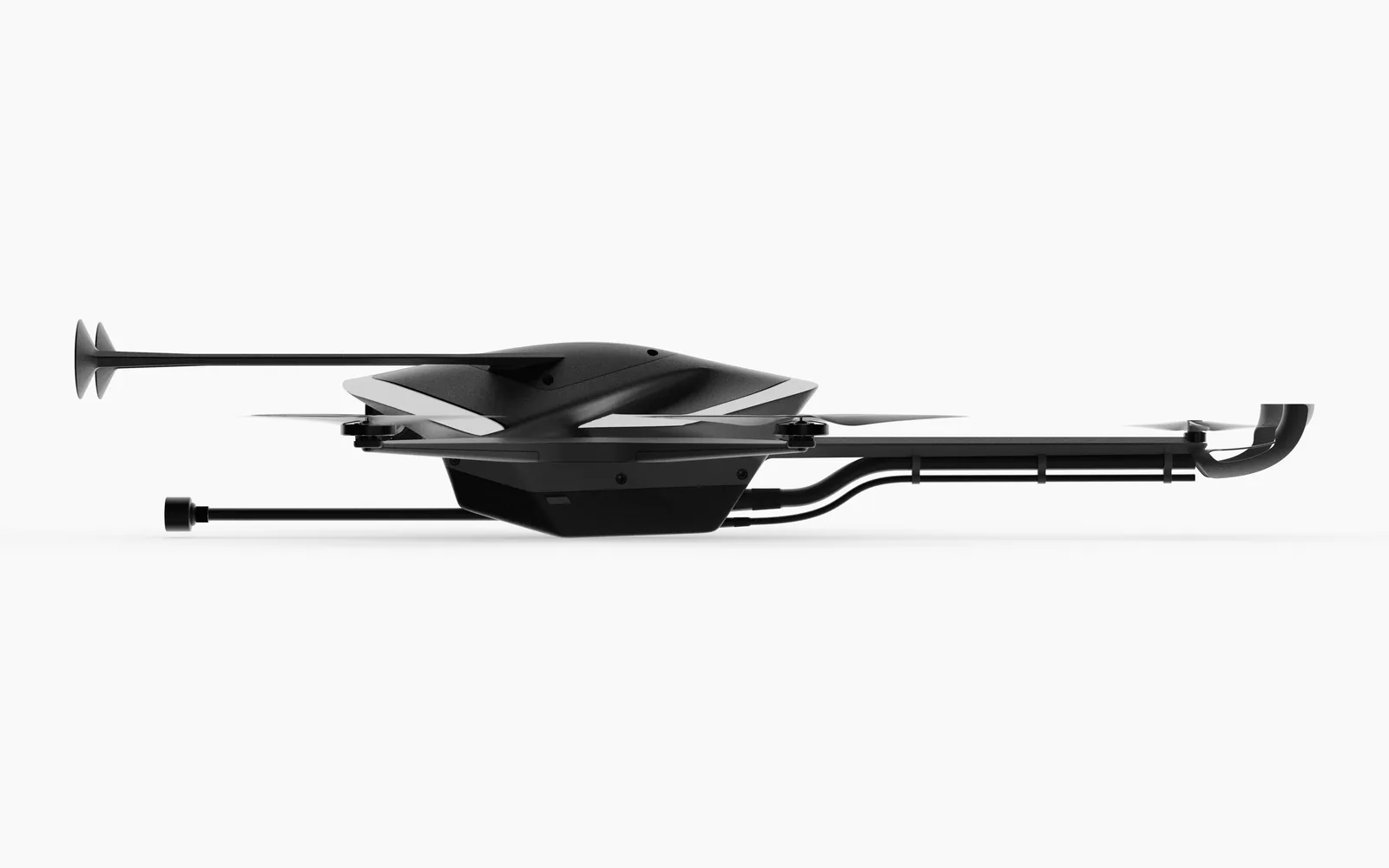
Maintenance configuration
High-pressure water jet and suction-cup module for cleaning on contact.
04The Drone
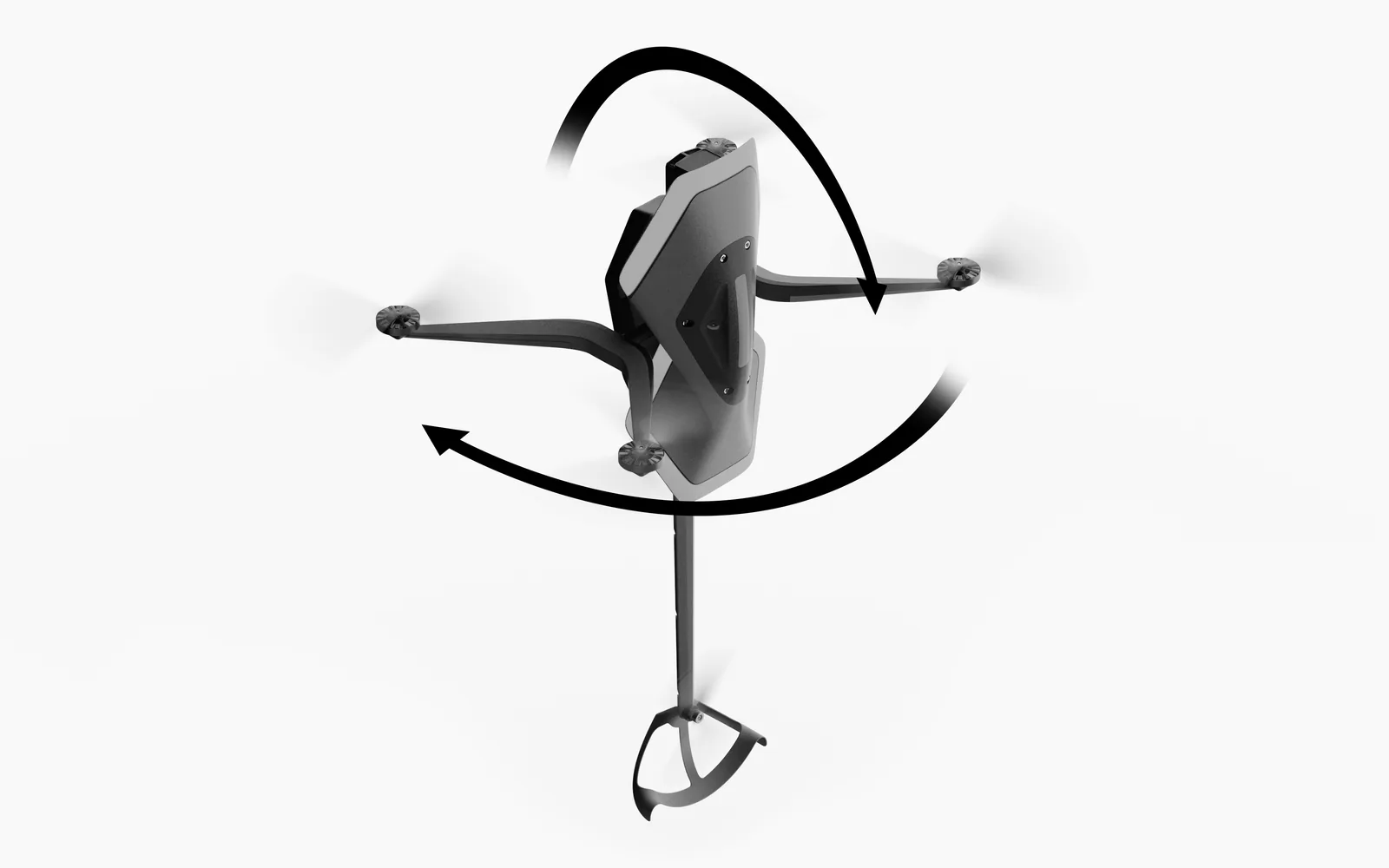
360° rotation
Full 360° rotation gives the drone six degrees of freedom. It can turn its tools to face any surface without changing its flight path, so it reaches the awkward corners of a bridge.
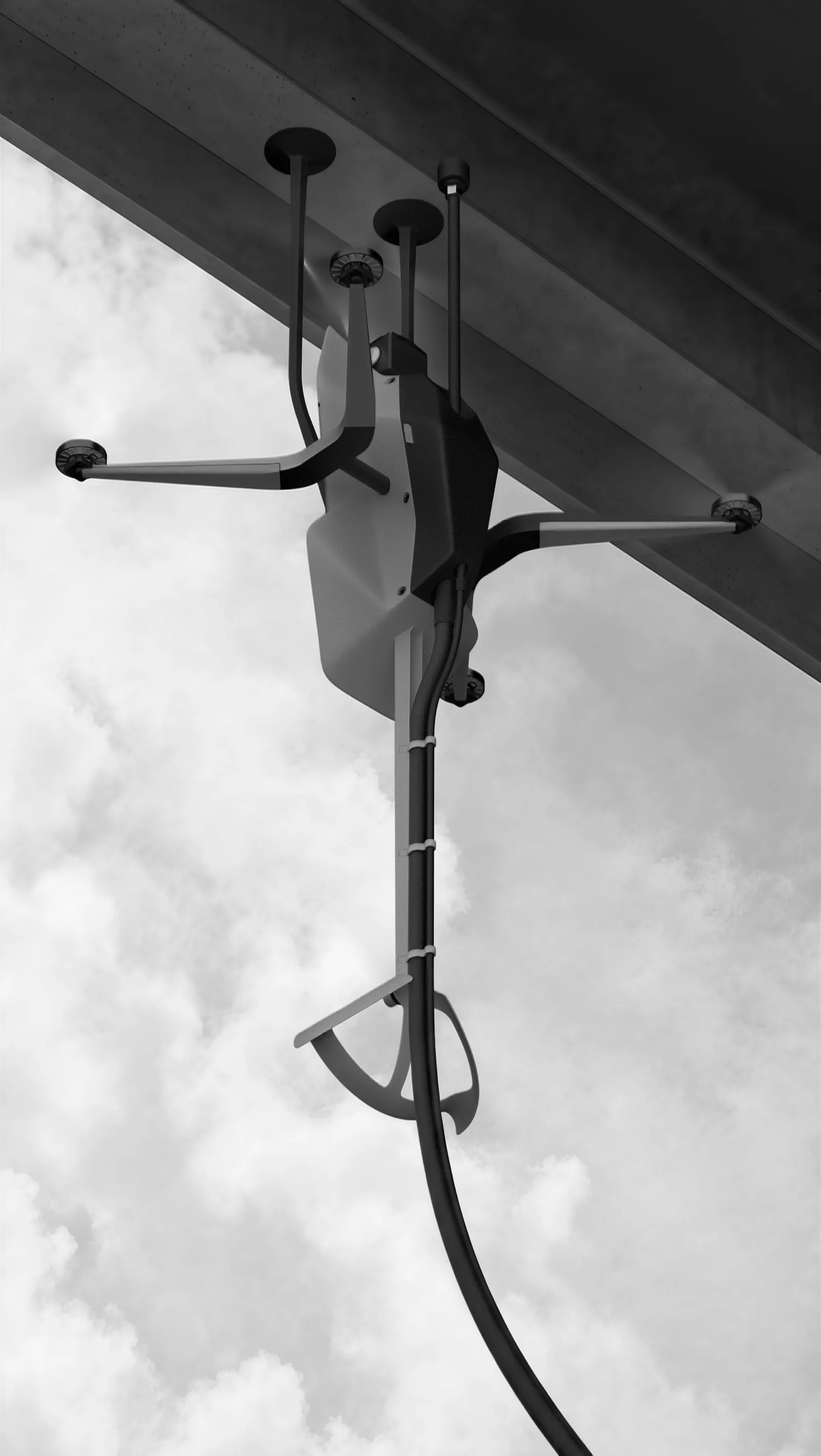
Targeted cleaning
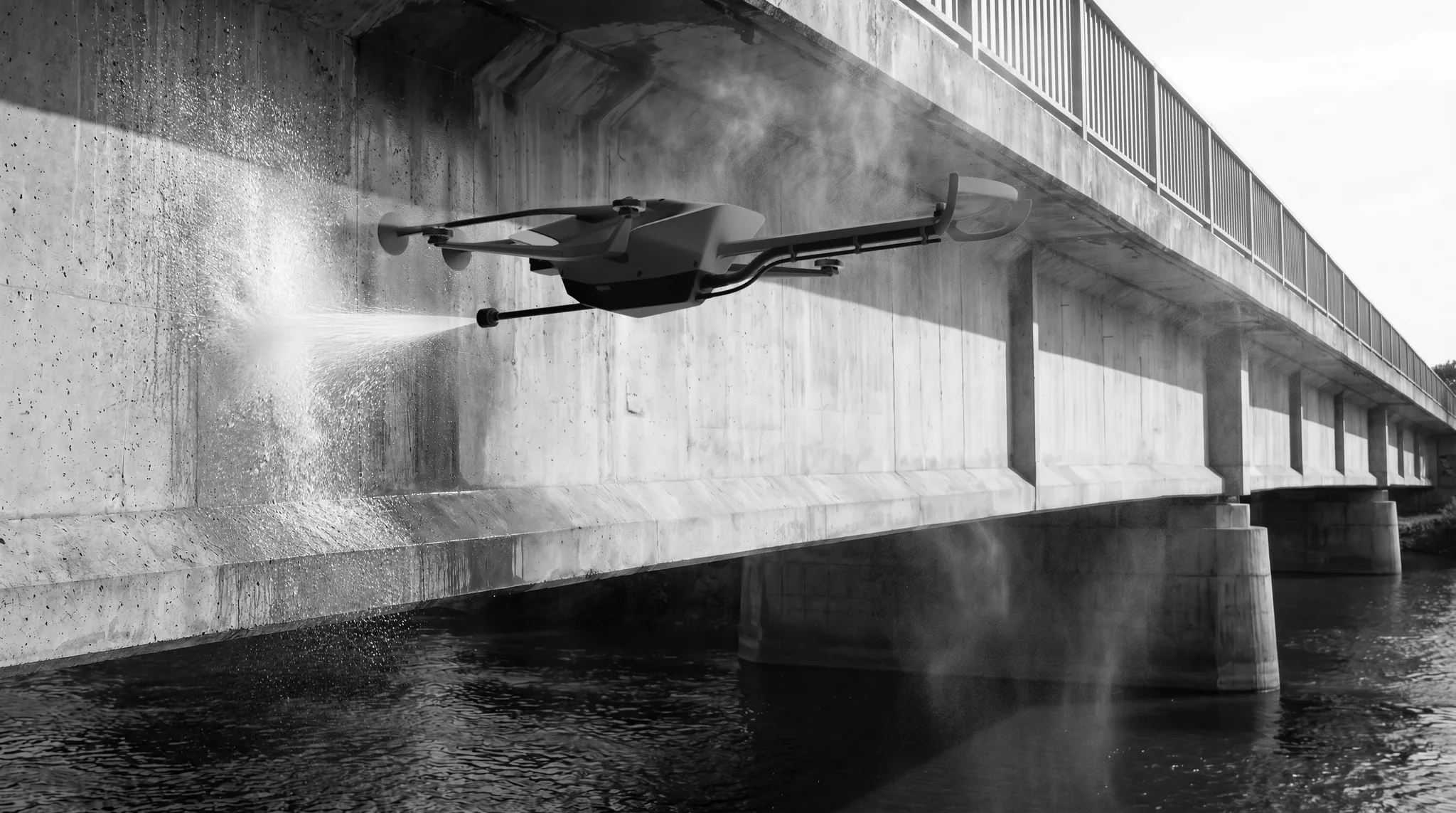
The water-jet module cleans the bridge surface up close
05The Vehicle
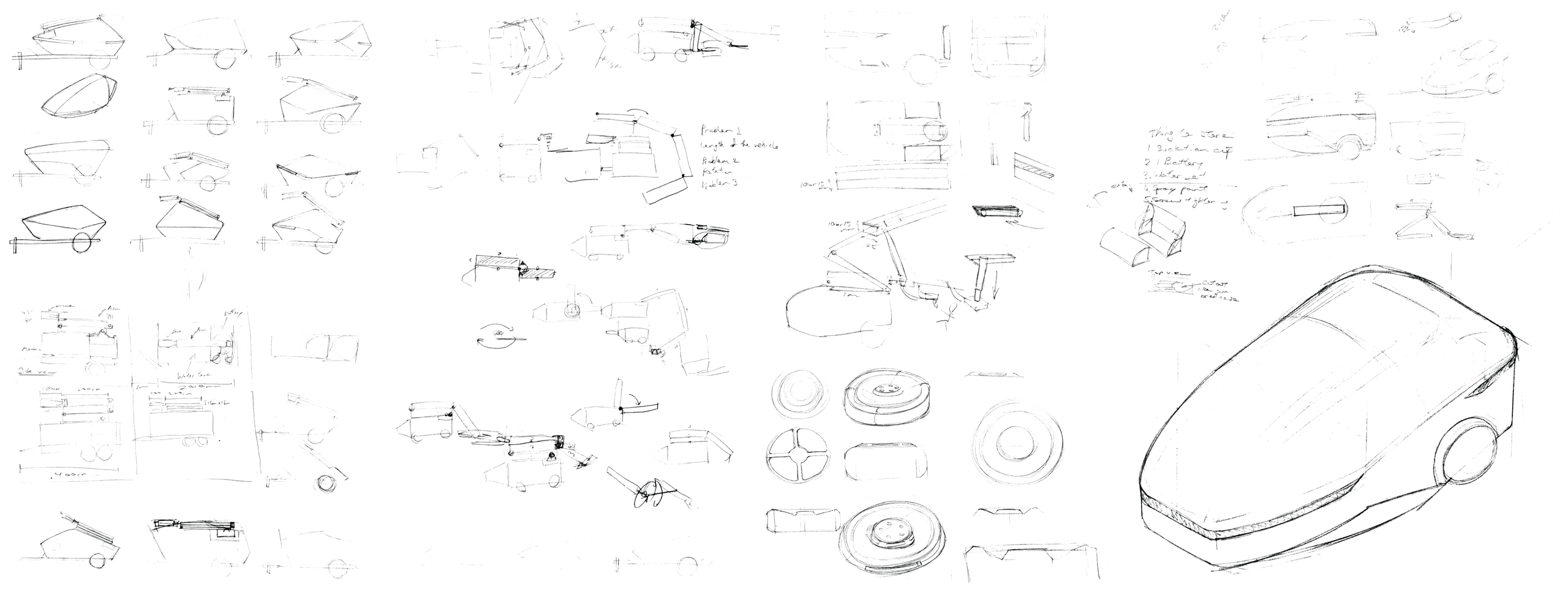
Trailer and arm sketches
A landing pad on wheels
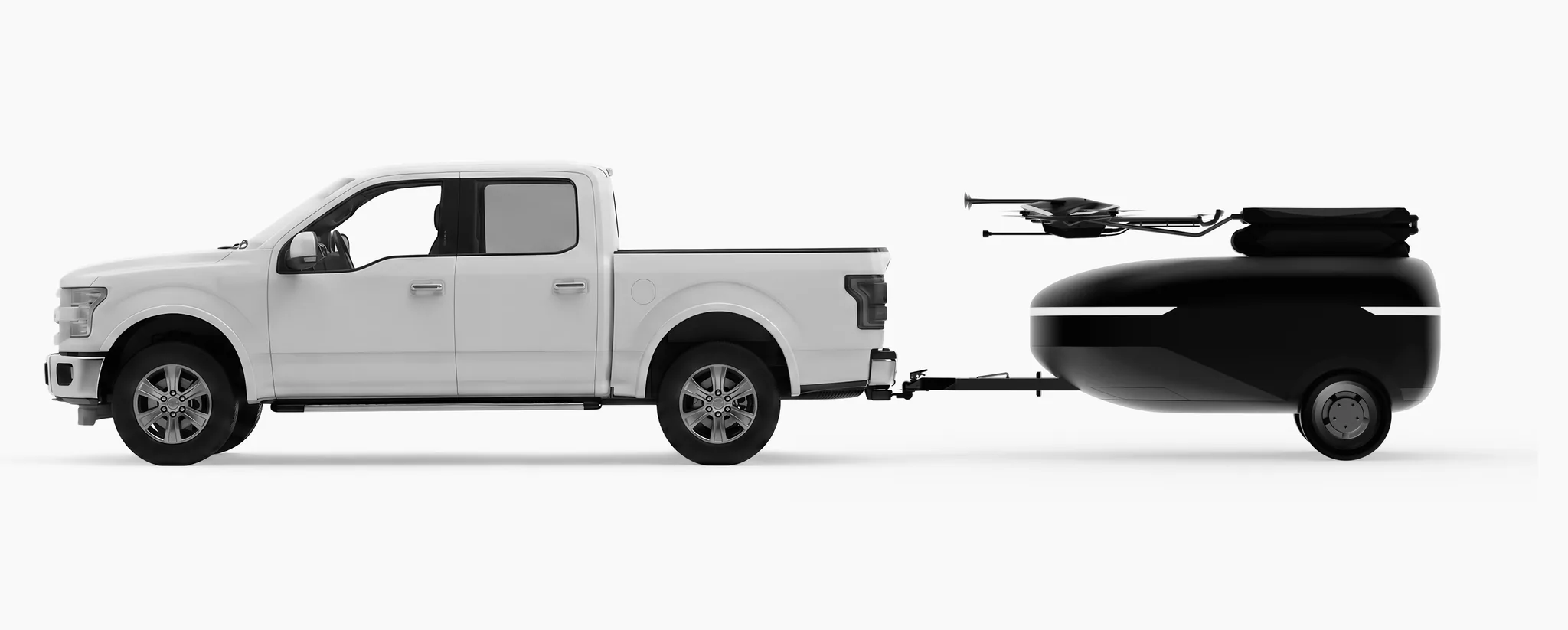
The trailer is the drone’s base in transit and on site. It holds the main water reservoir and power supply, and its arm lowers the drone under the bridge to a safe height for the crew.
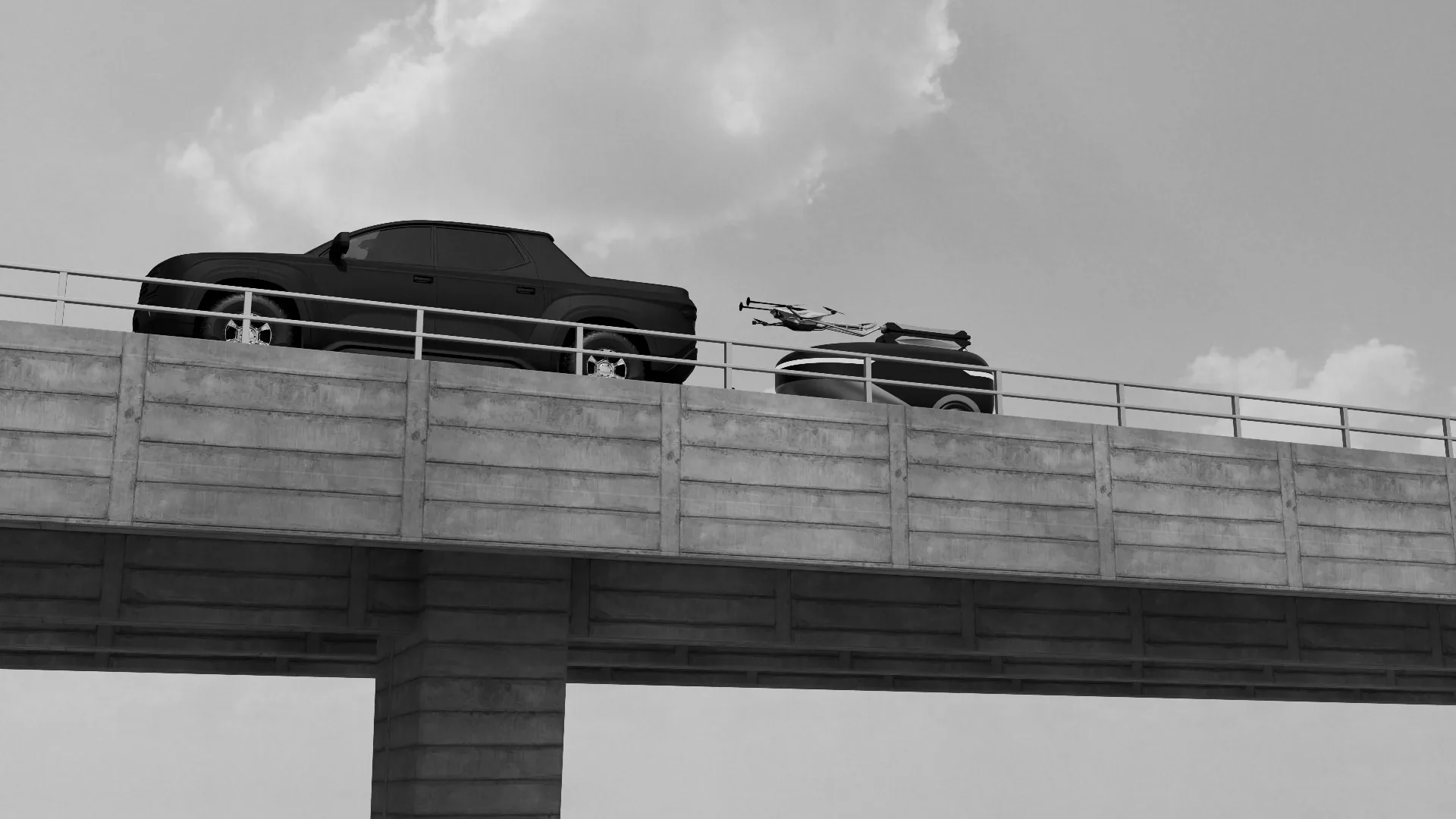
A standard tow hitch means any utility pickup can pull it, so there is no specialised vehicle to buy.
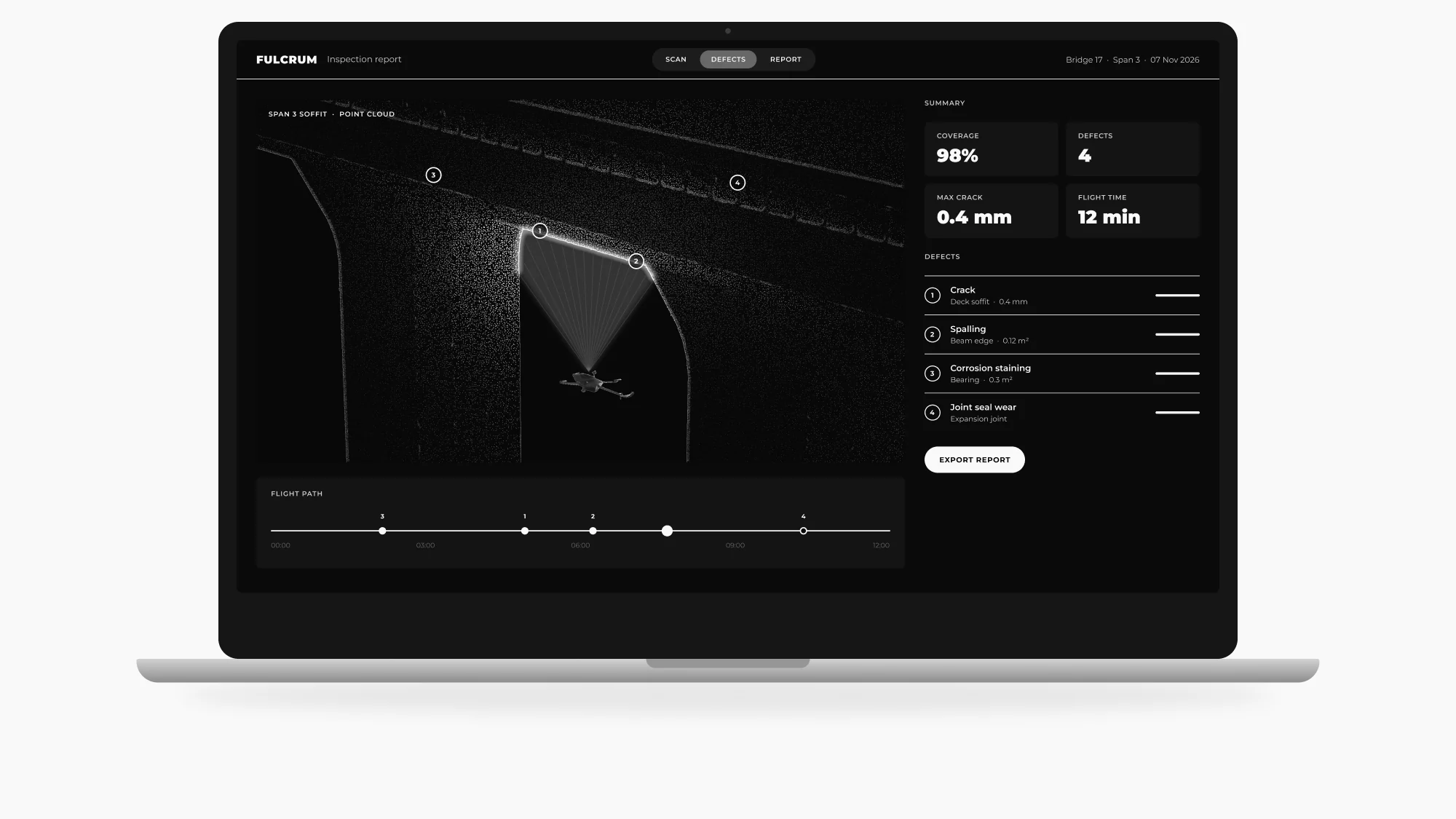
Inspection workflow
The trailer steadies itself on its outriggers, then the drone lifts off, scans the underside of the bridge and returns to dock. If it cannot reach the dock, it sets down on the deck on its own legs.
Maintenance workflow
The arm reaches over the edge and lowers the drone beneath the deck, feeding it water and power while it cleans.
06Impact
Why Fulcrum
- 01Workers stay above
No one hangs beneath the deck to inspect or clean it.
- 02Water and power on board
The trailer feeds the drone for long cleaning sessions.
- 03Tows behind a pickup
A standard hitch, so crews keep the trucks they own.
Team
Shumo Wang and Tsunemasa Fujiwara, Parsons School of Design, 2026.
 Next project →
Disaster-resilient light