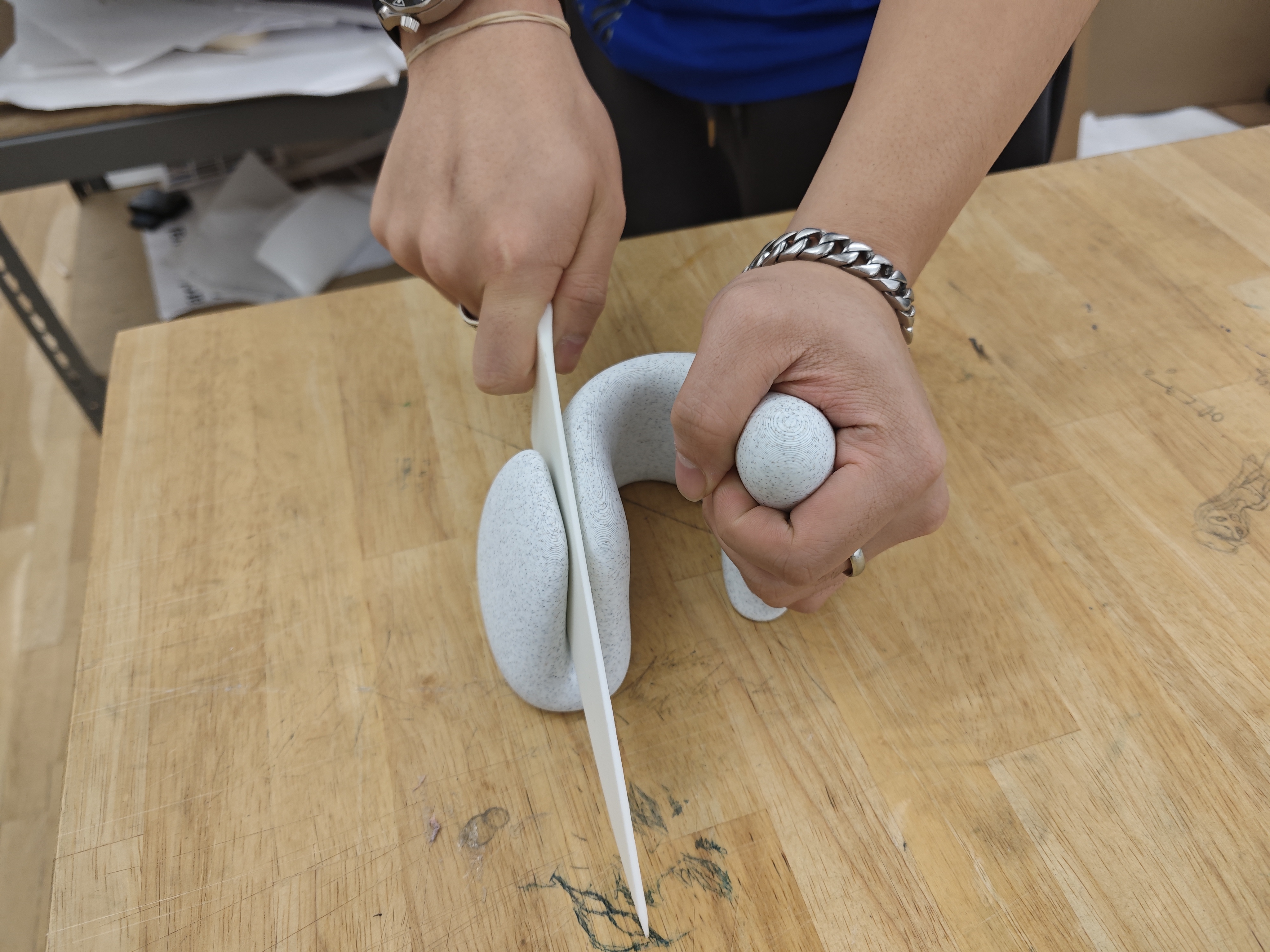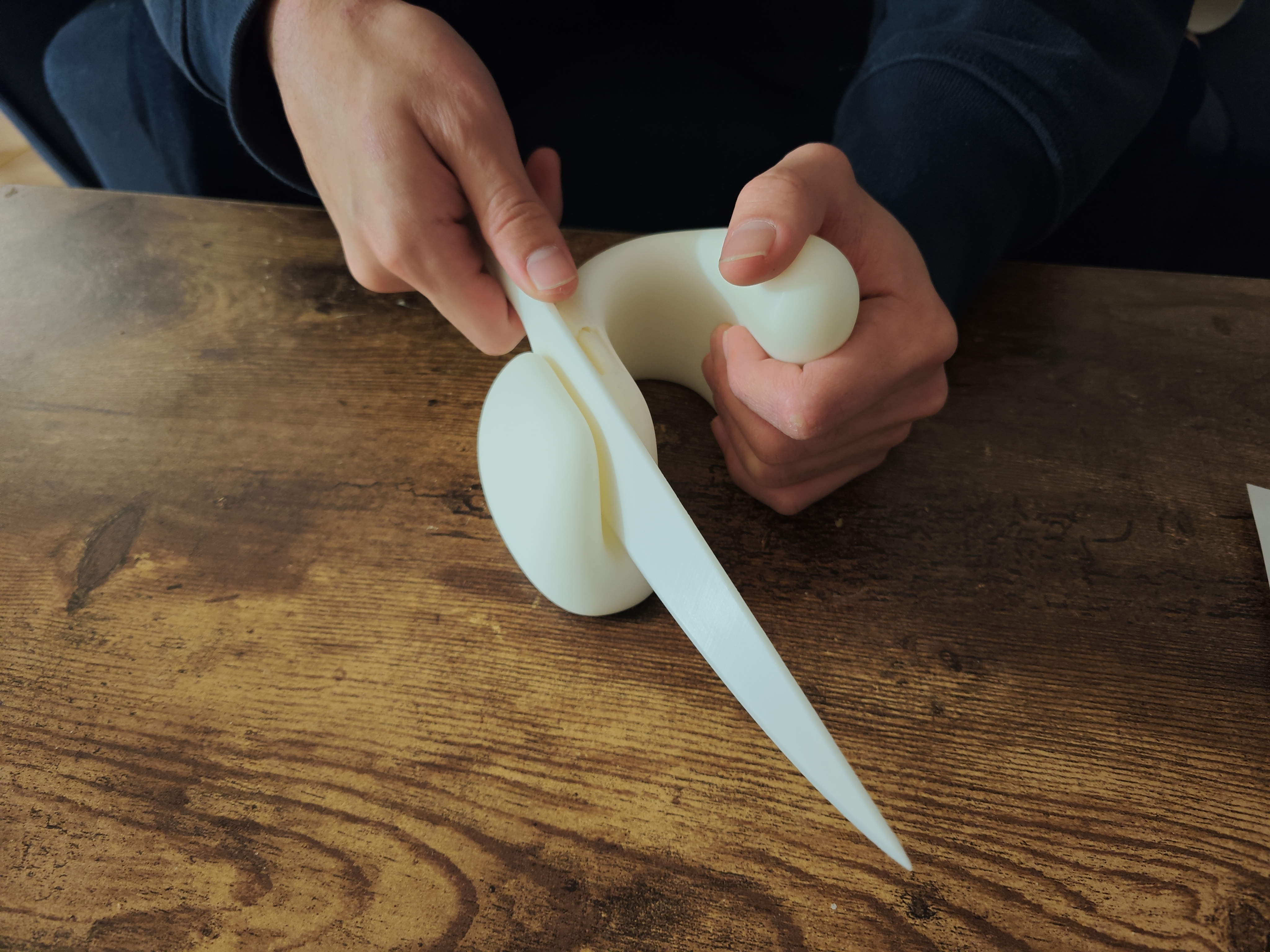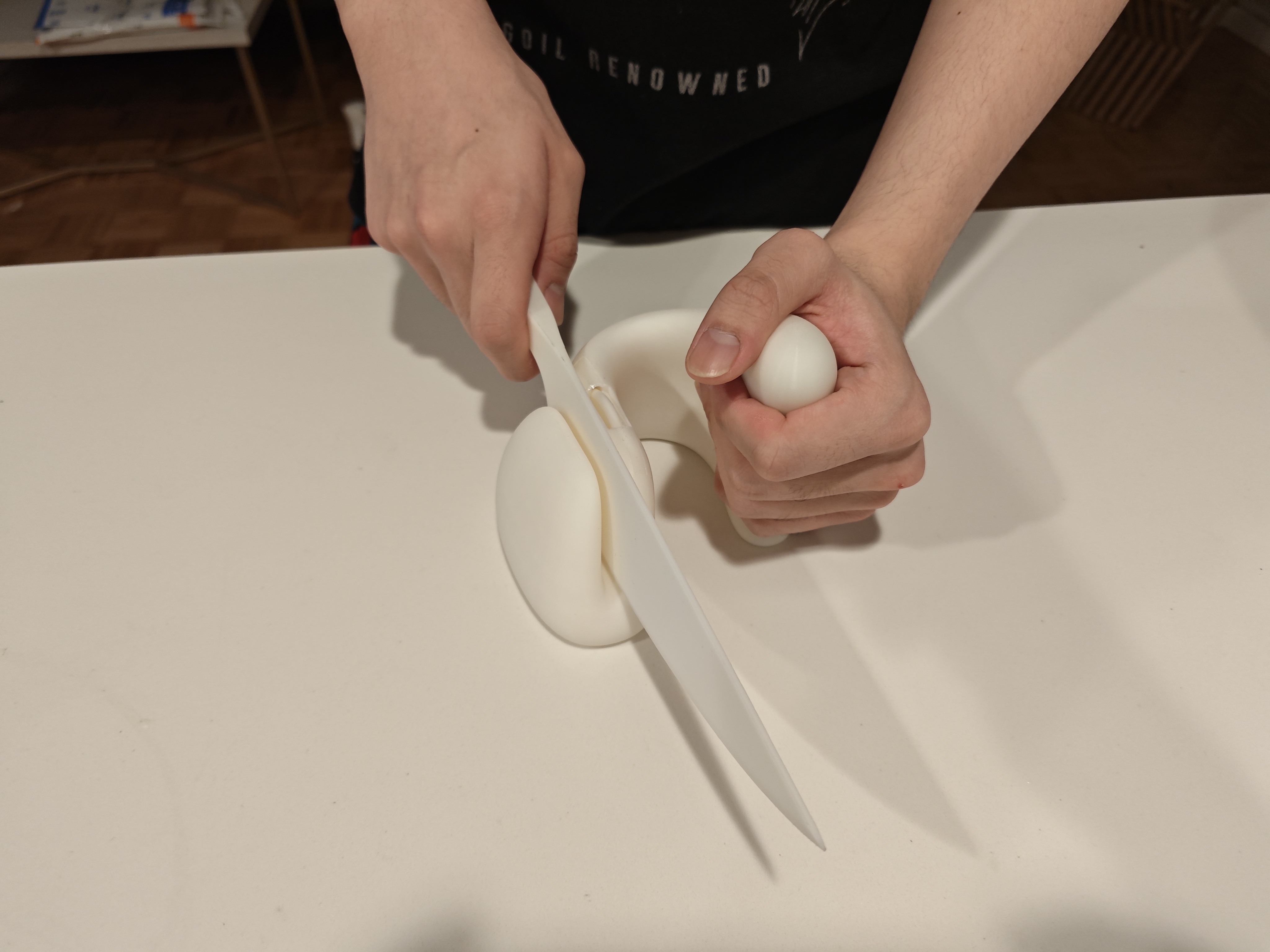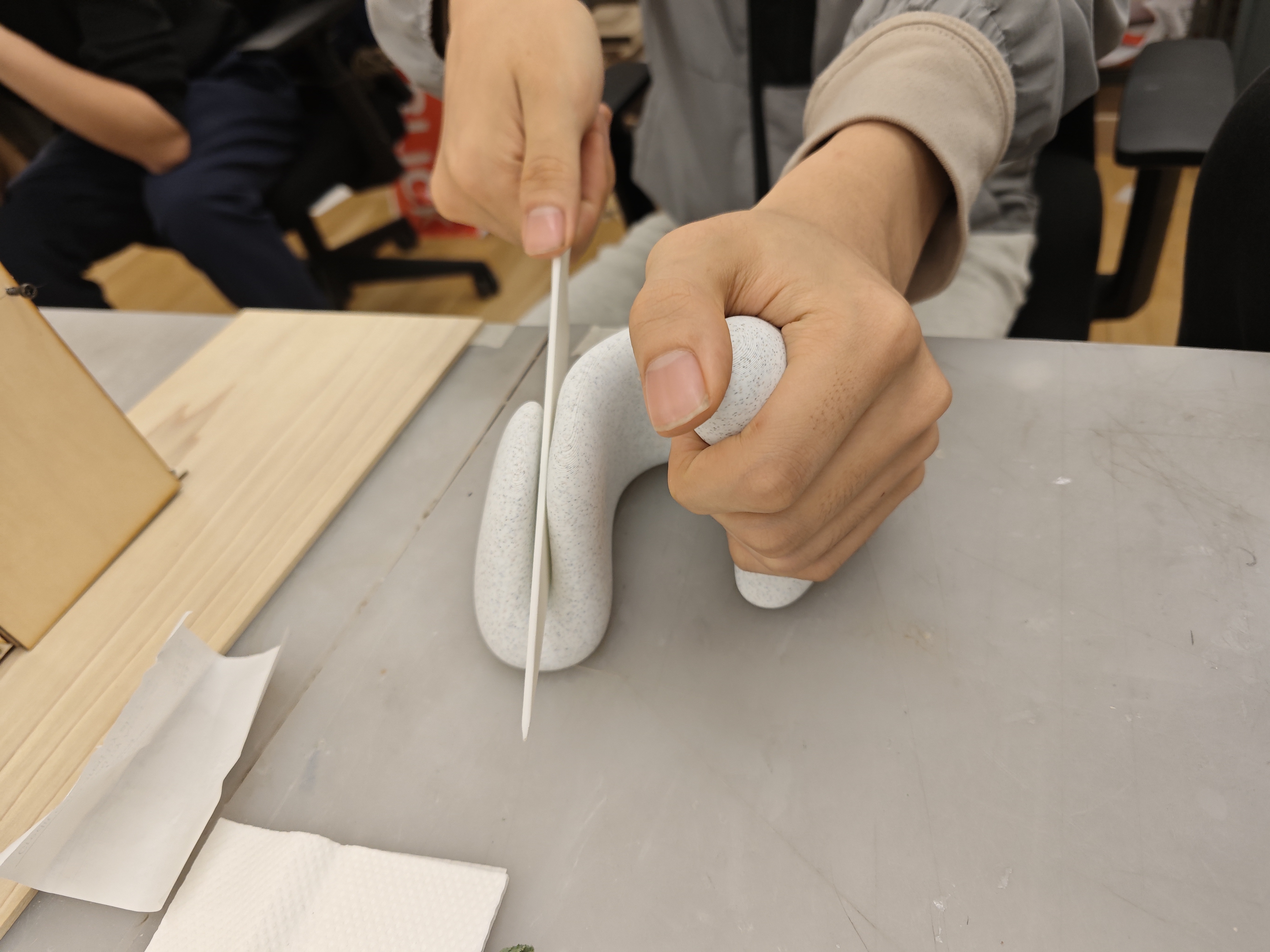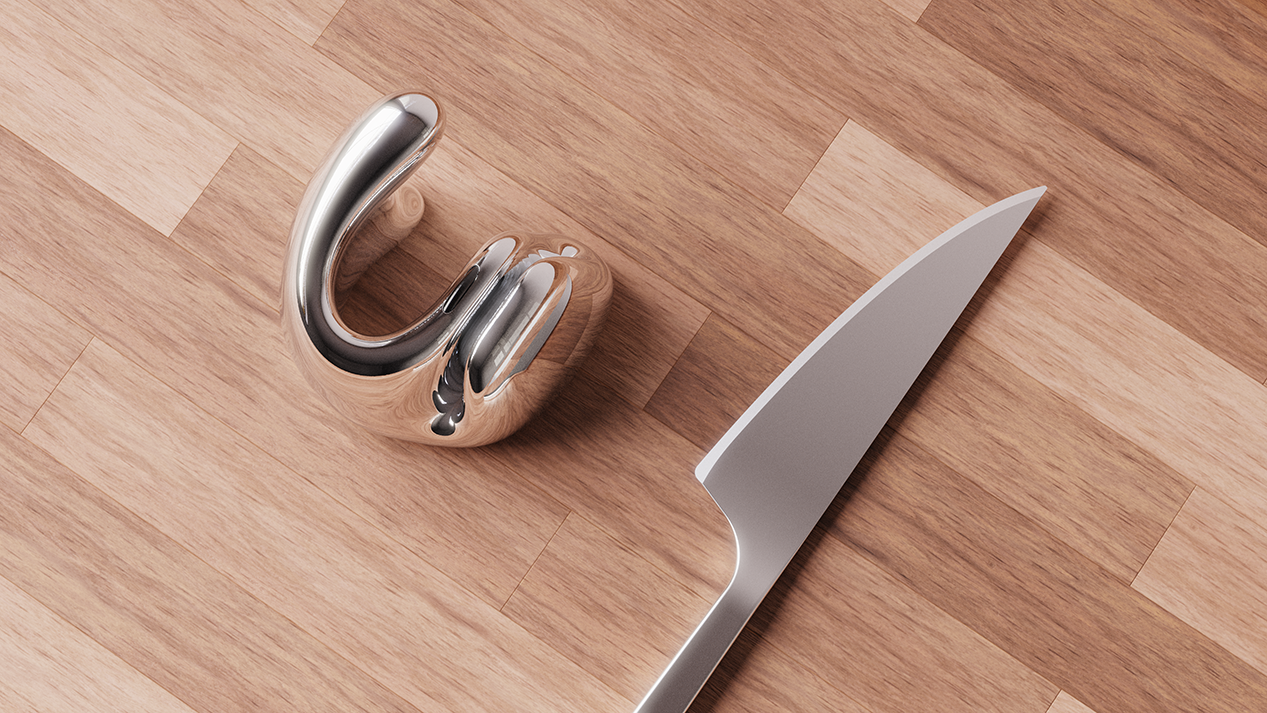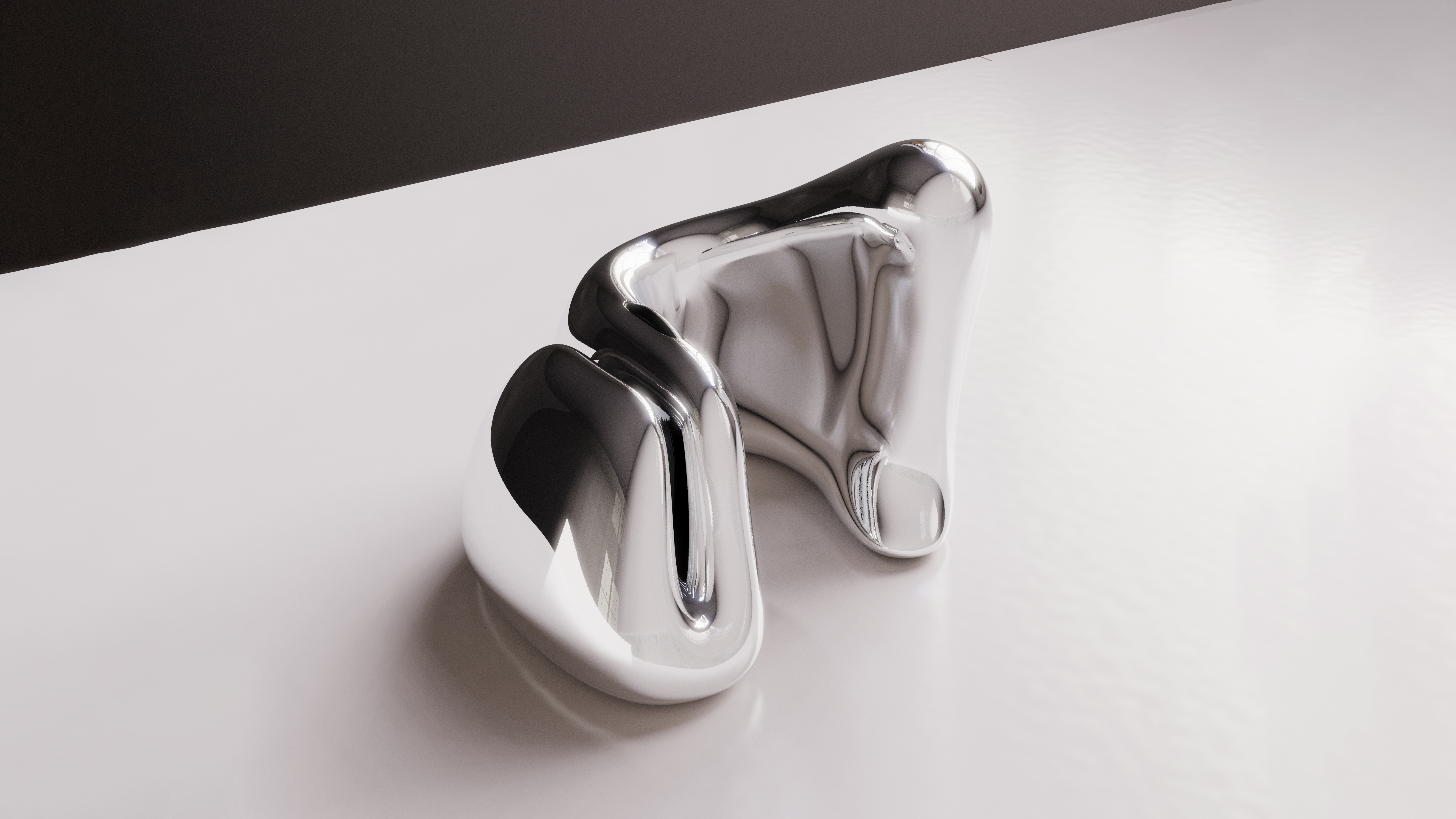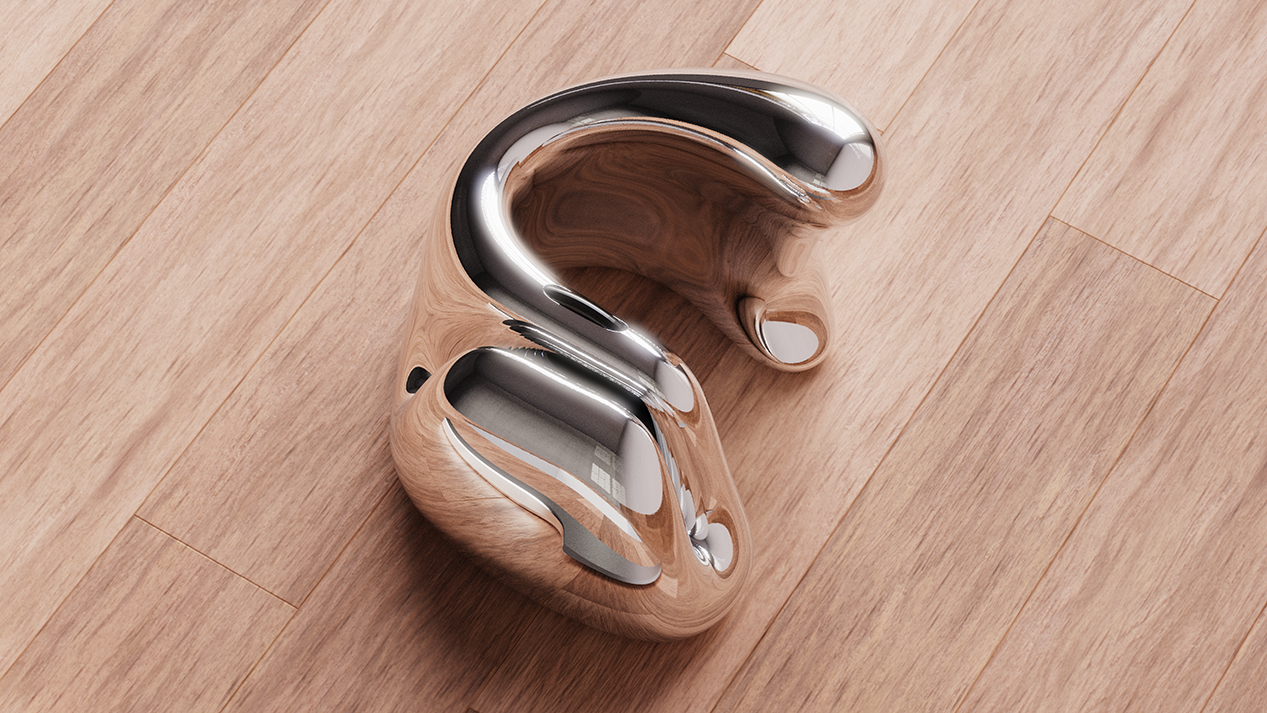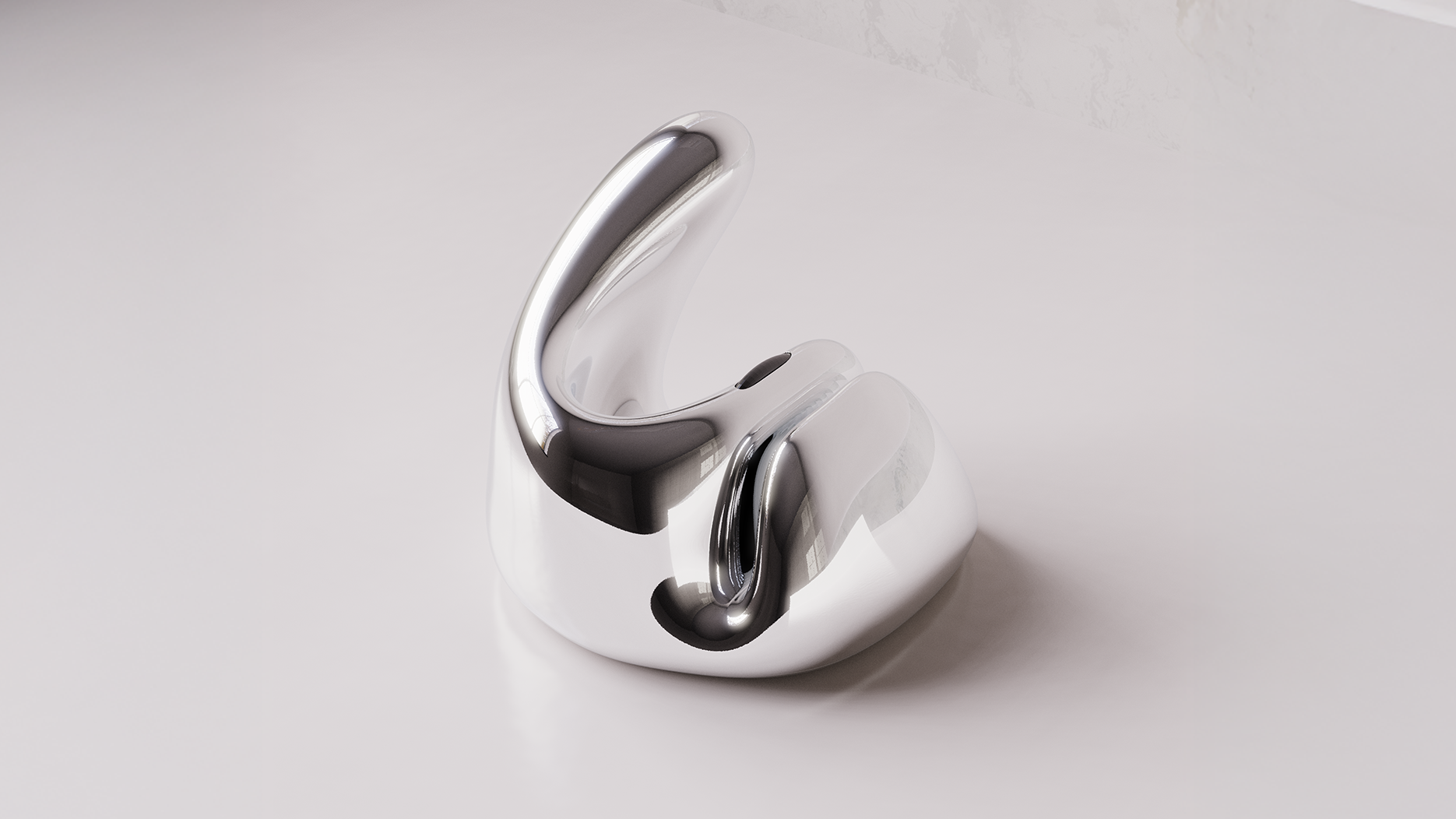
Ergonomic Knife Sharpener
Complex tools, compromised safety
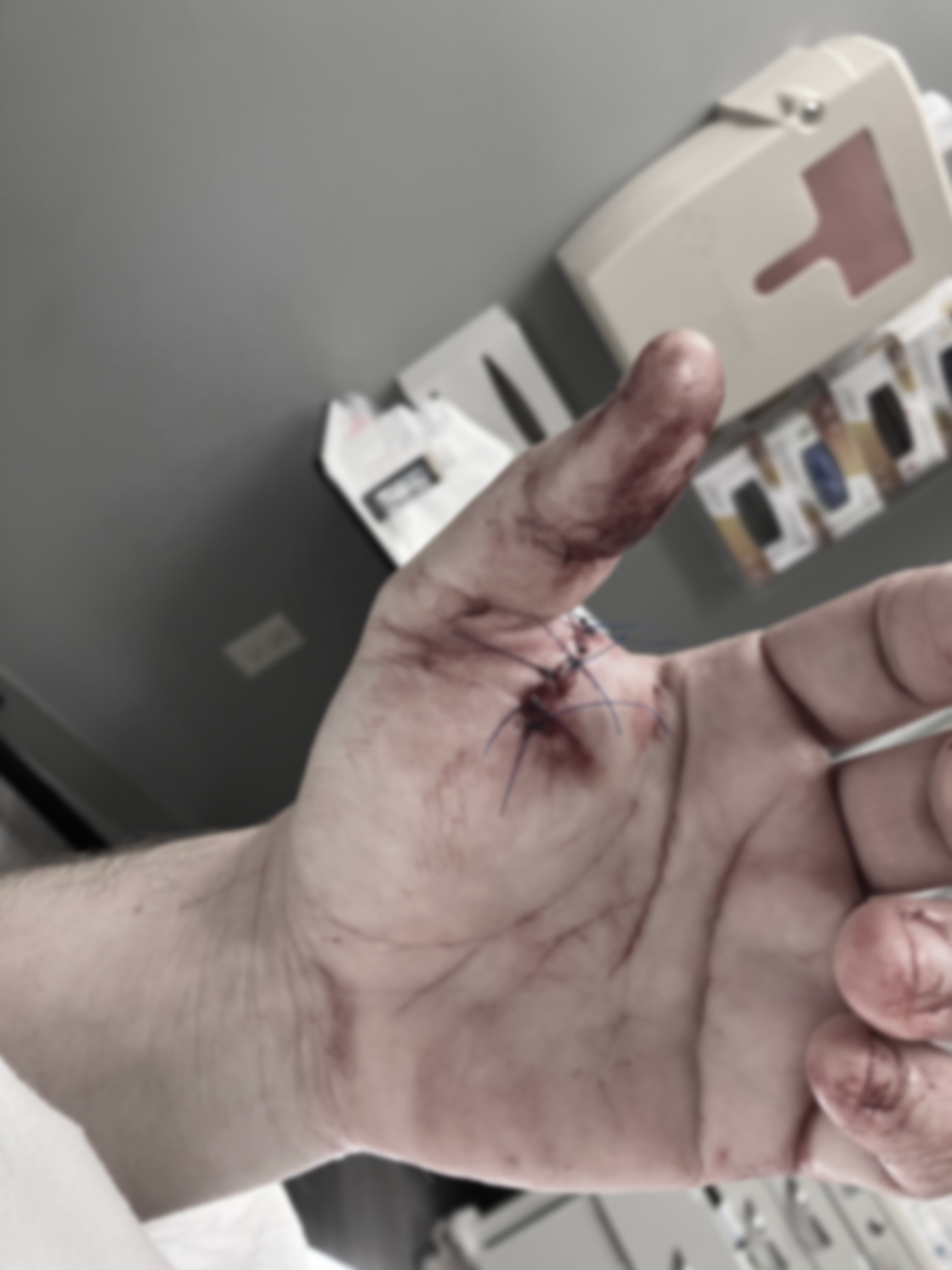
- High injury rates linked to dull or damaged blades
- Market tools that scrape and damage the edge rather than sharpen
- Complex setups with steep learning curves and user safety risks
PRODUCT ANALYSIS
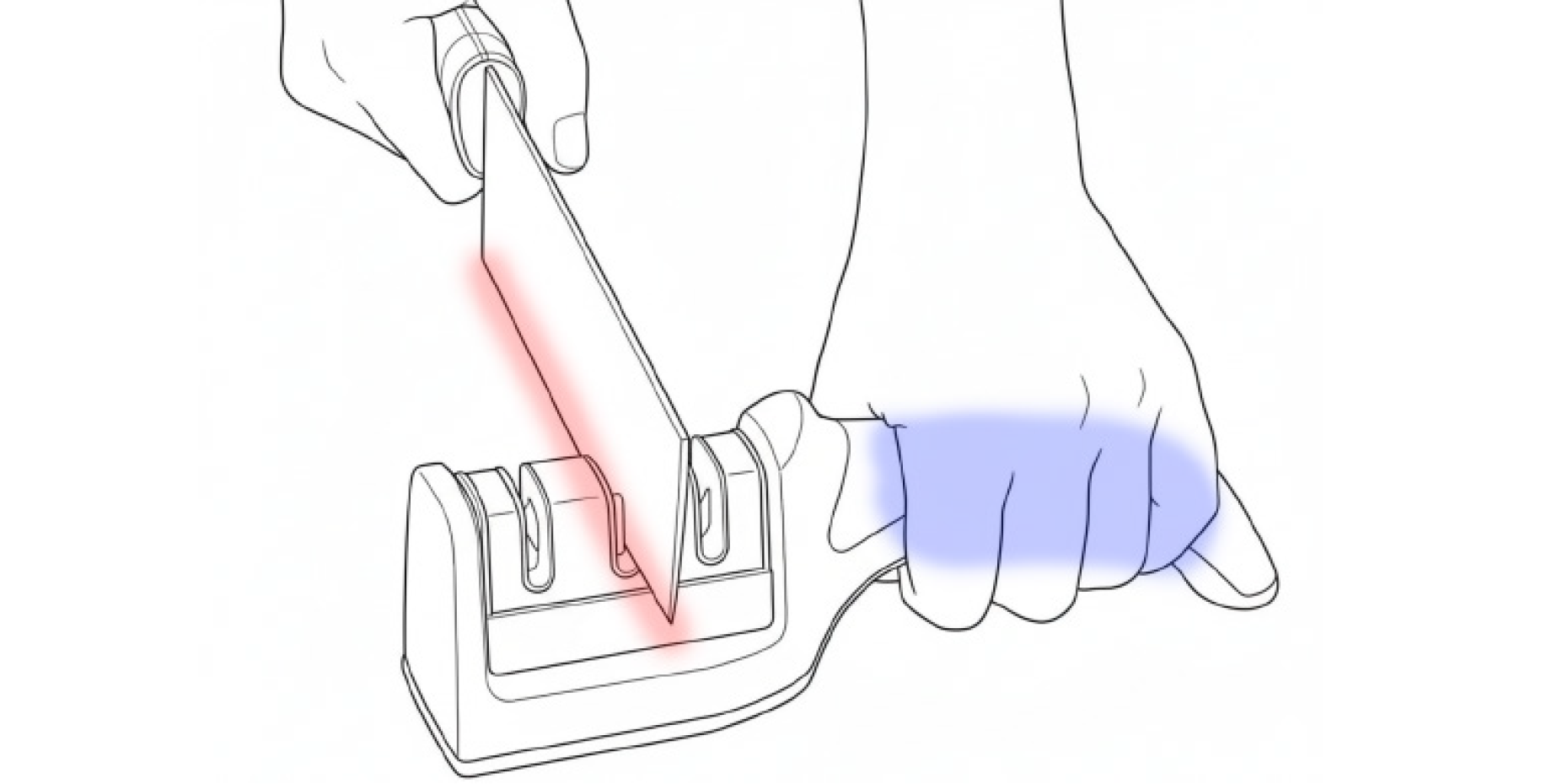
Product Type A
- Distal grip positioning provides basic clearance.
- Ergonomics restricted for varied hand sizes.
- Safe, downward-facing blade orientation.
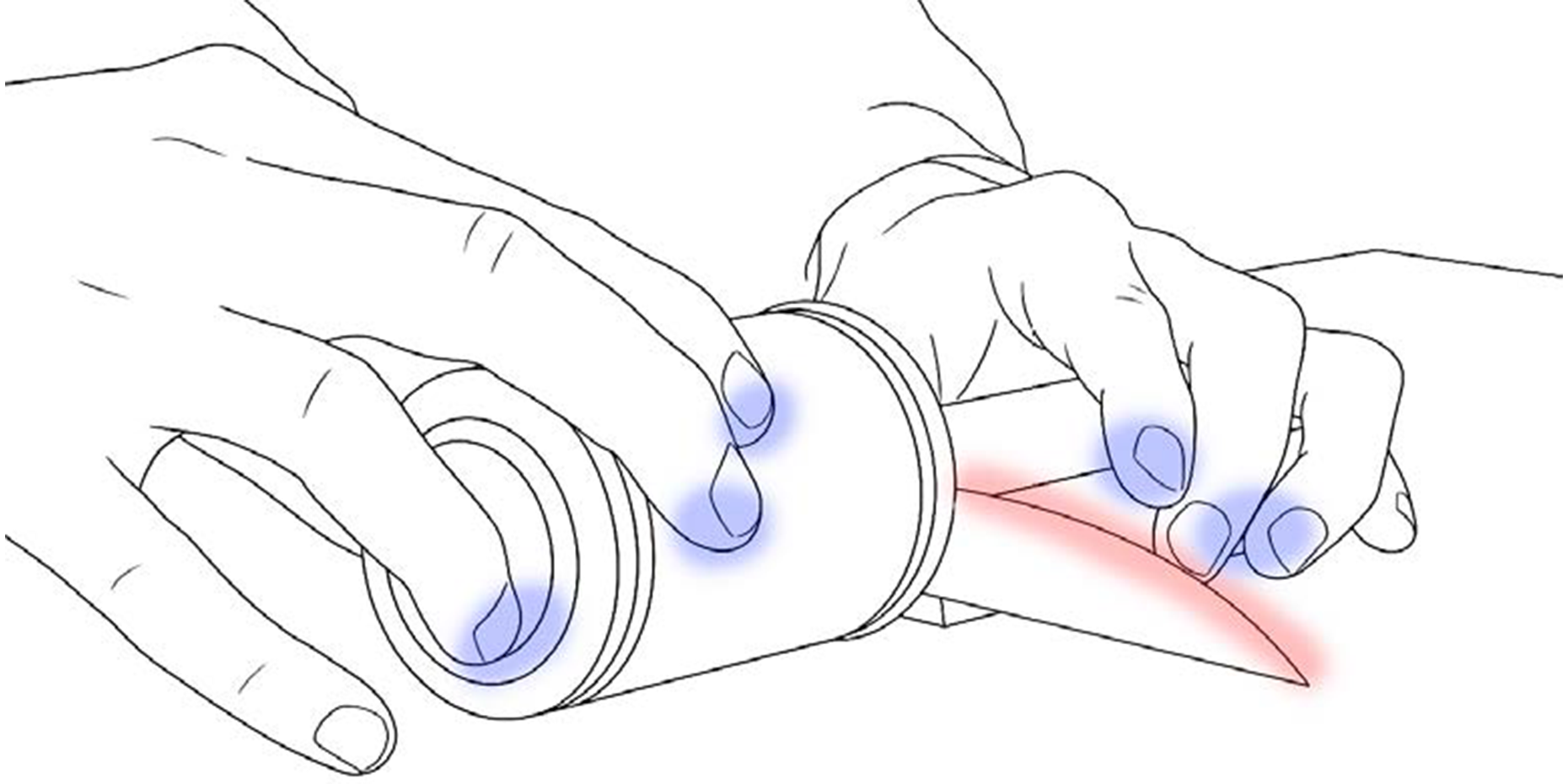
Product Type B
- Absence of dedicated ergonomic grip.
- Trade-off between hand proximity and stability.
- High-risk, upward-facing blade orientation.
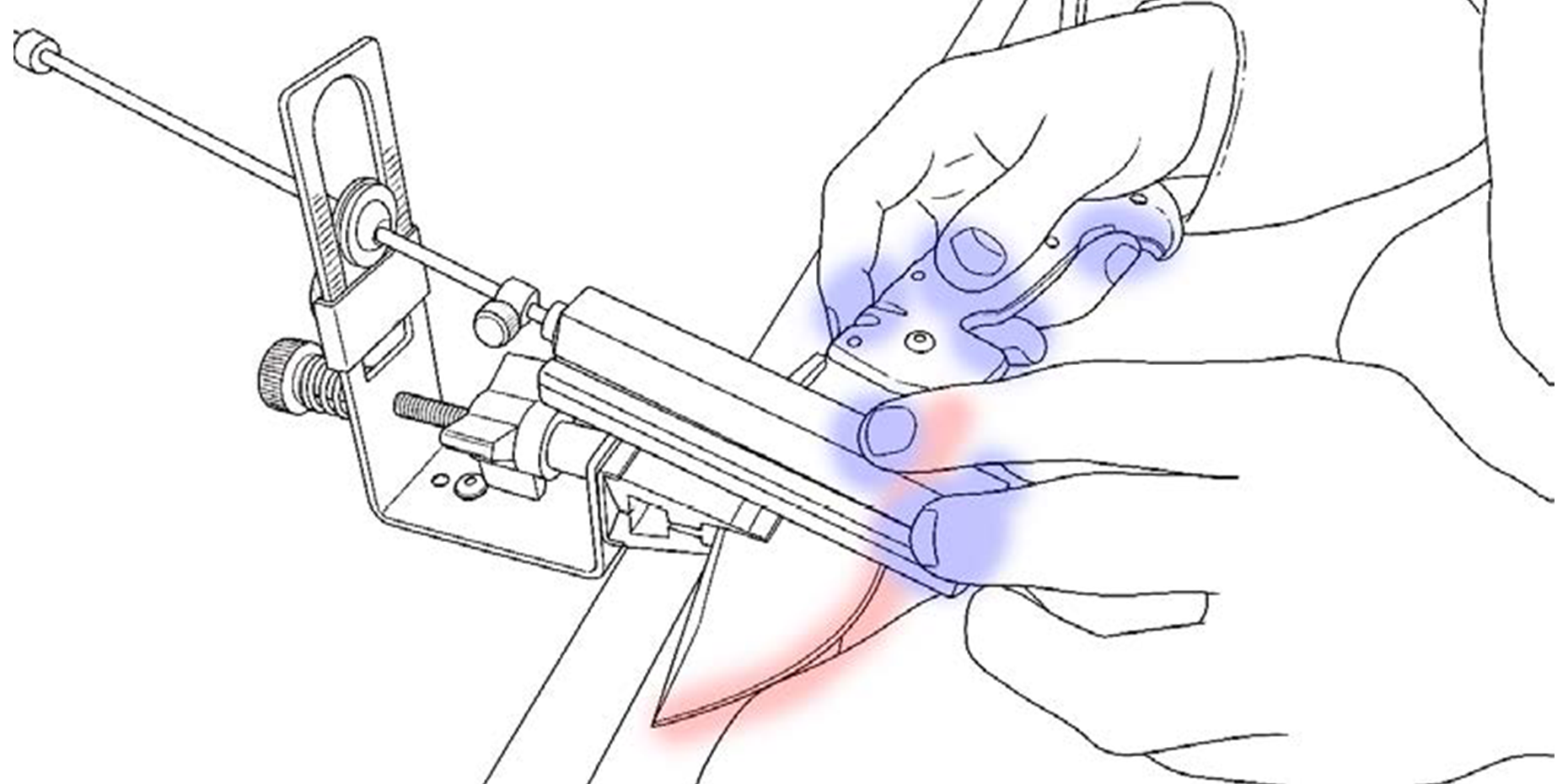
Product Type C
- Extreme proximity with motion directed toward the edge.
- Lack of integrated structural safety barriers.
- Dangerous, direct user-facing blade orientation.
FORM FINDING & VARIABLE ISOLATION
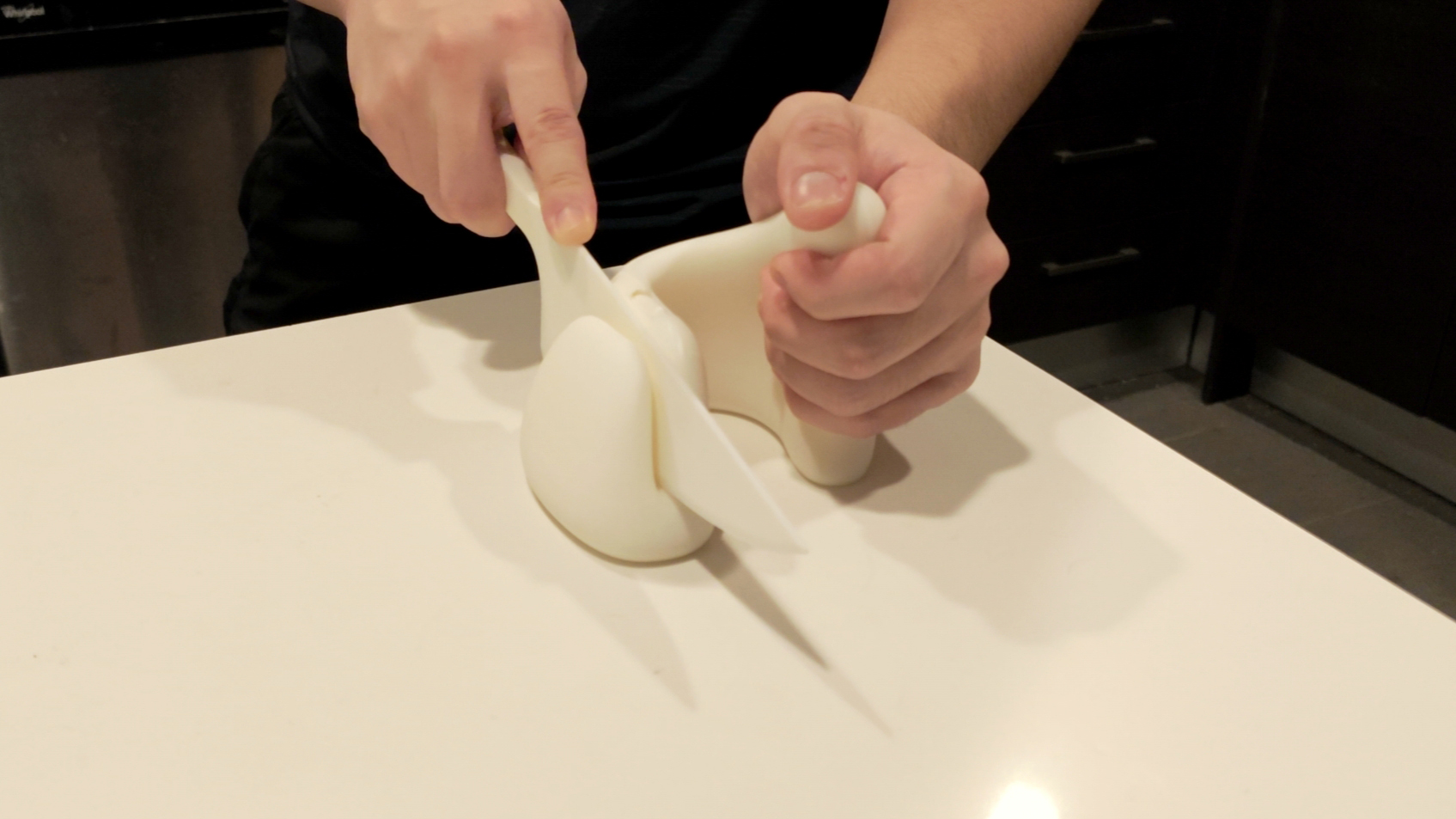
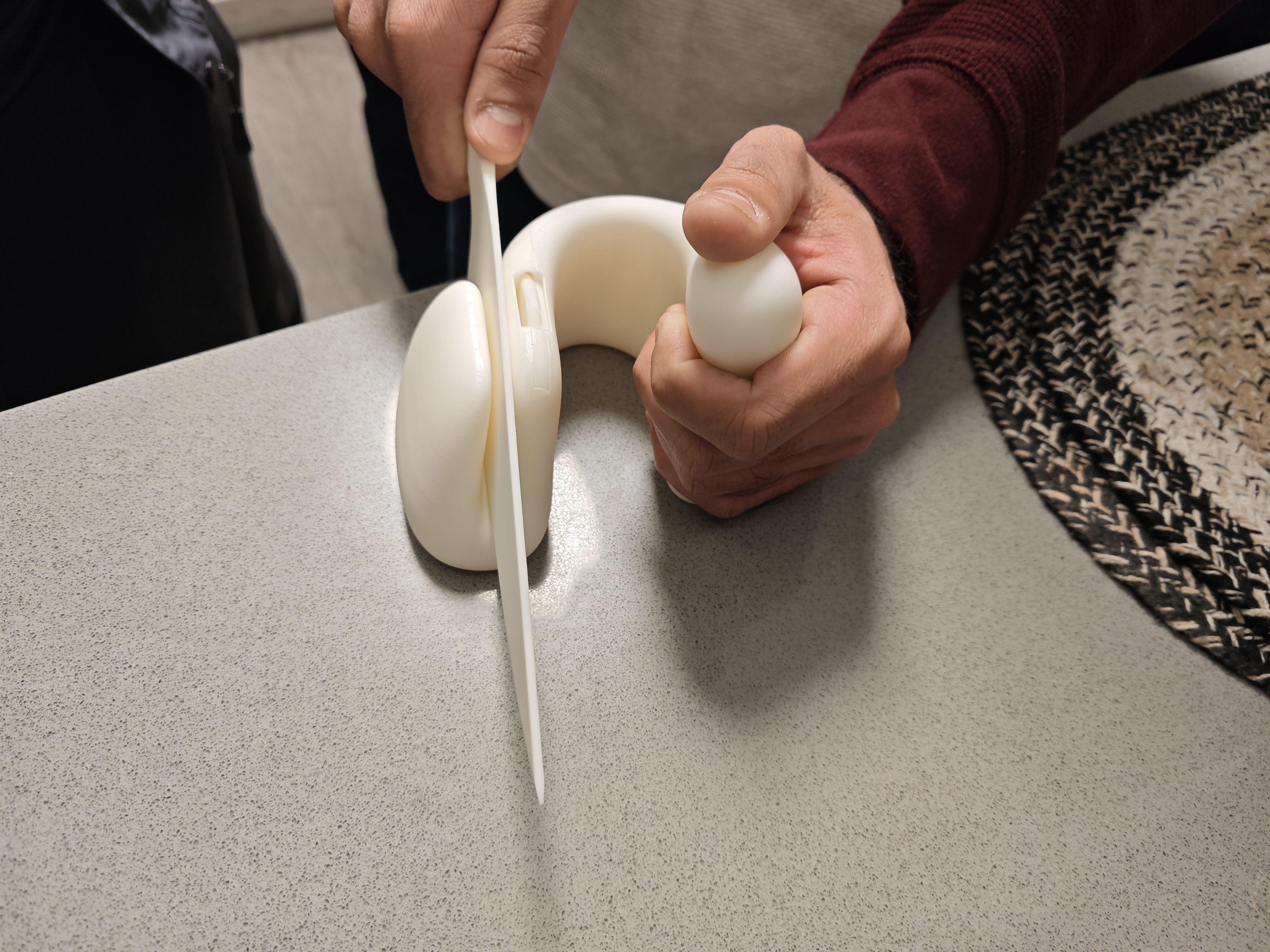
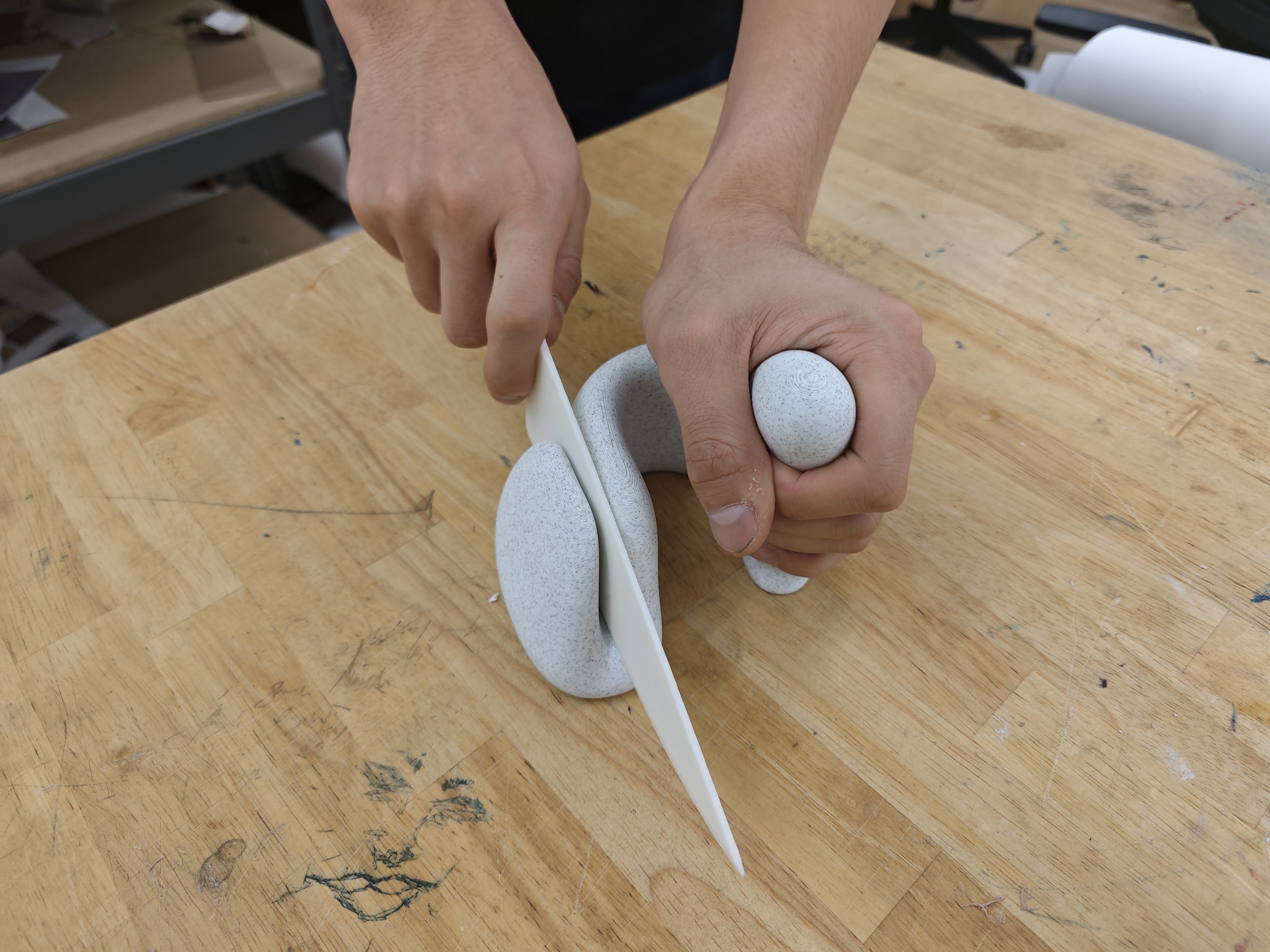
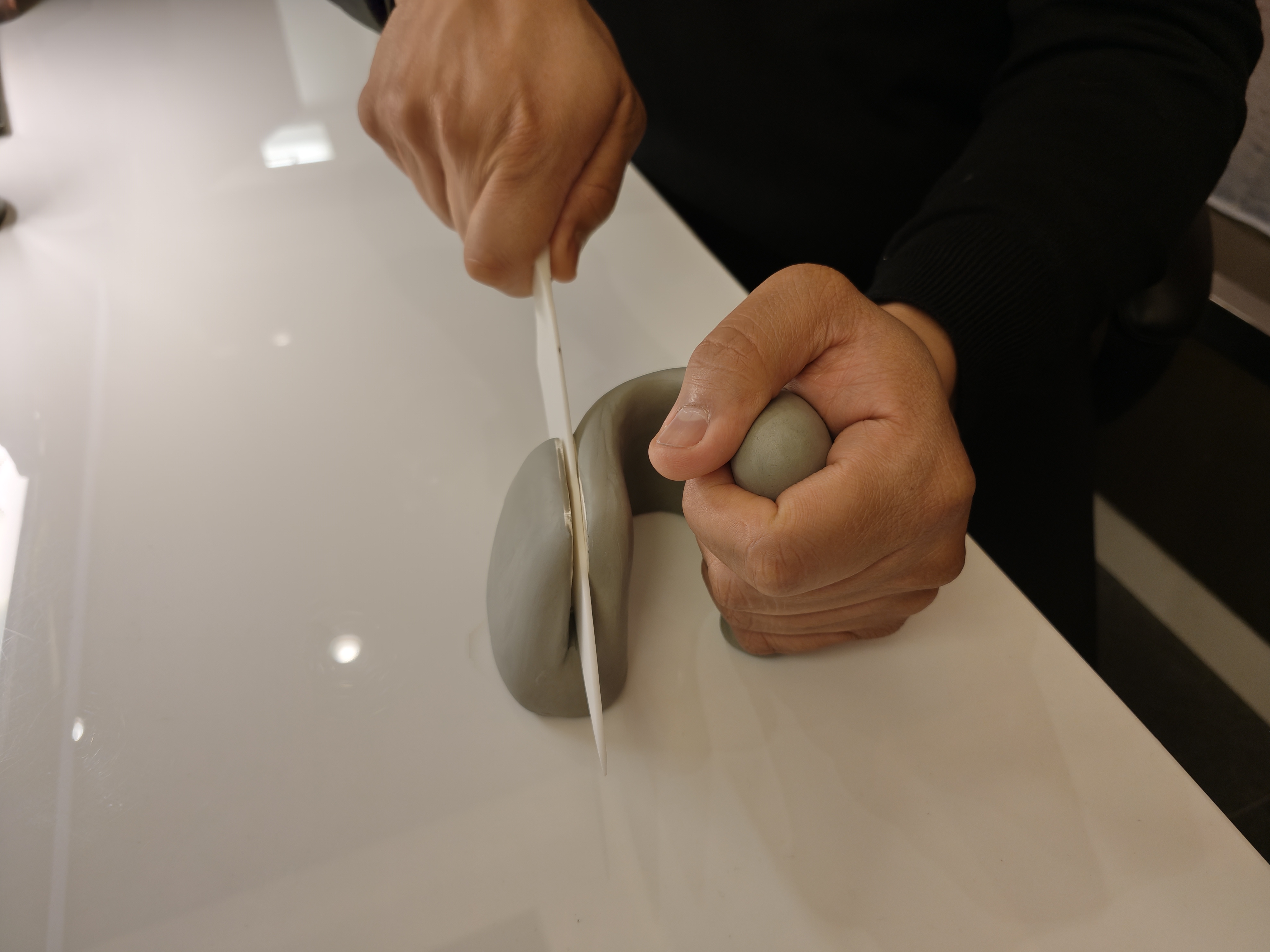
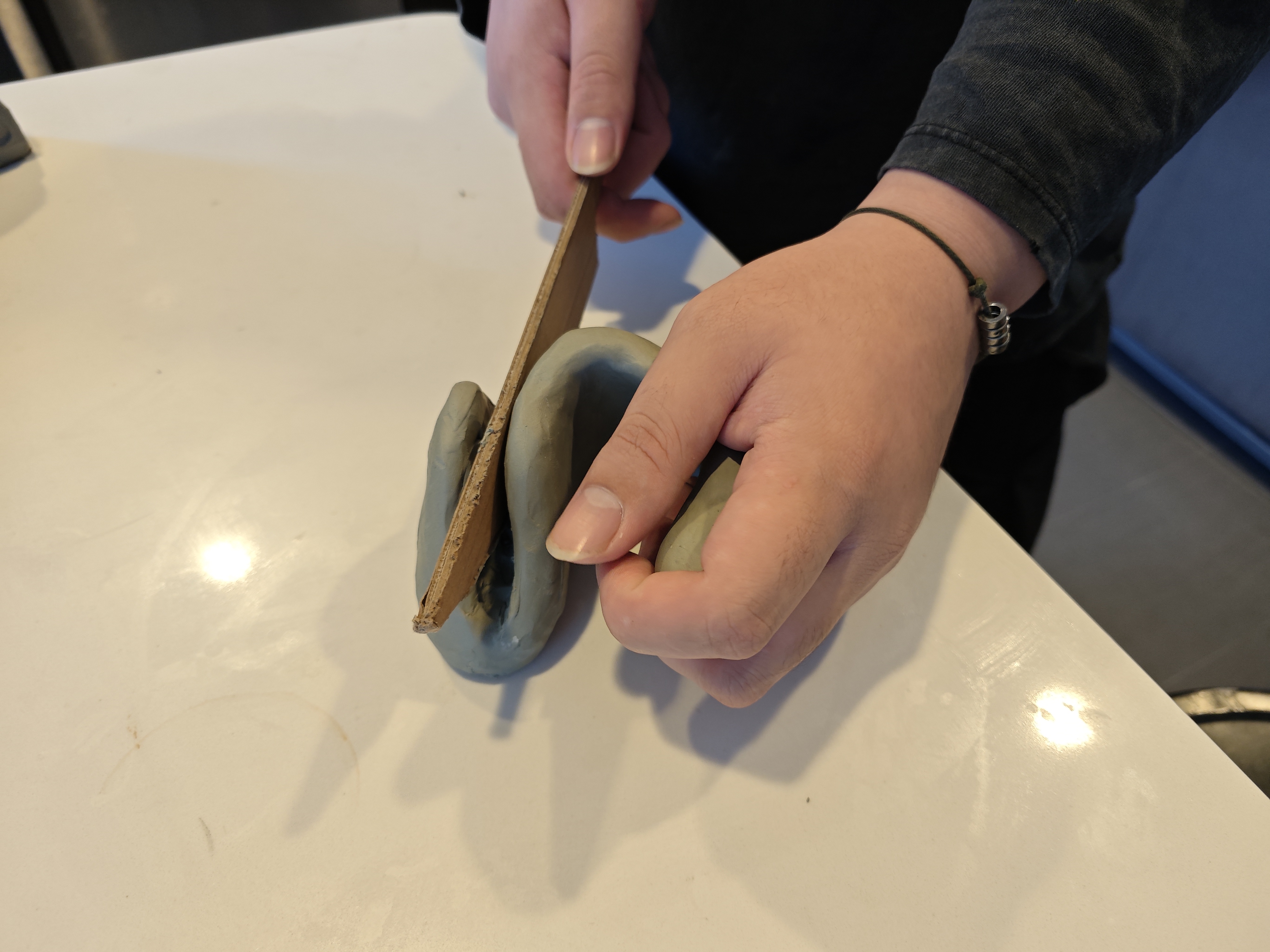
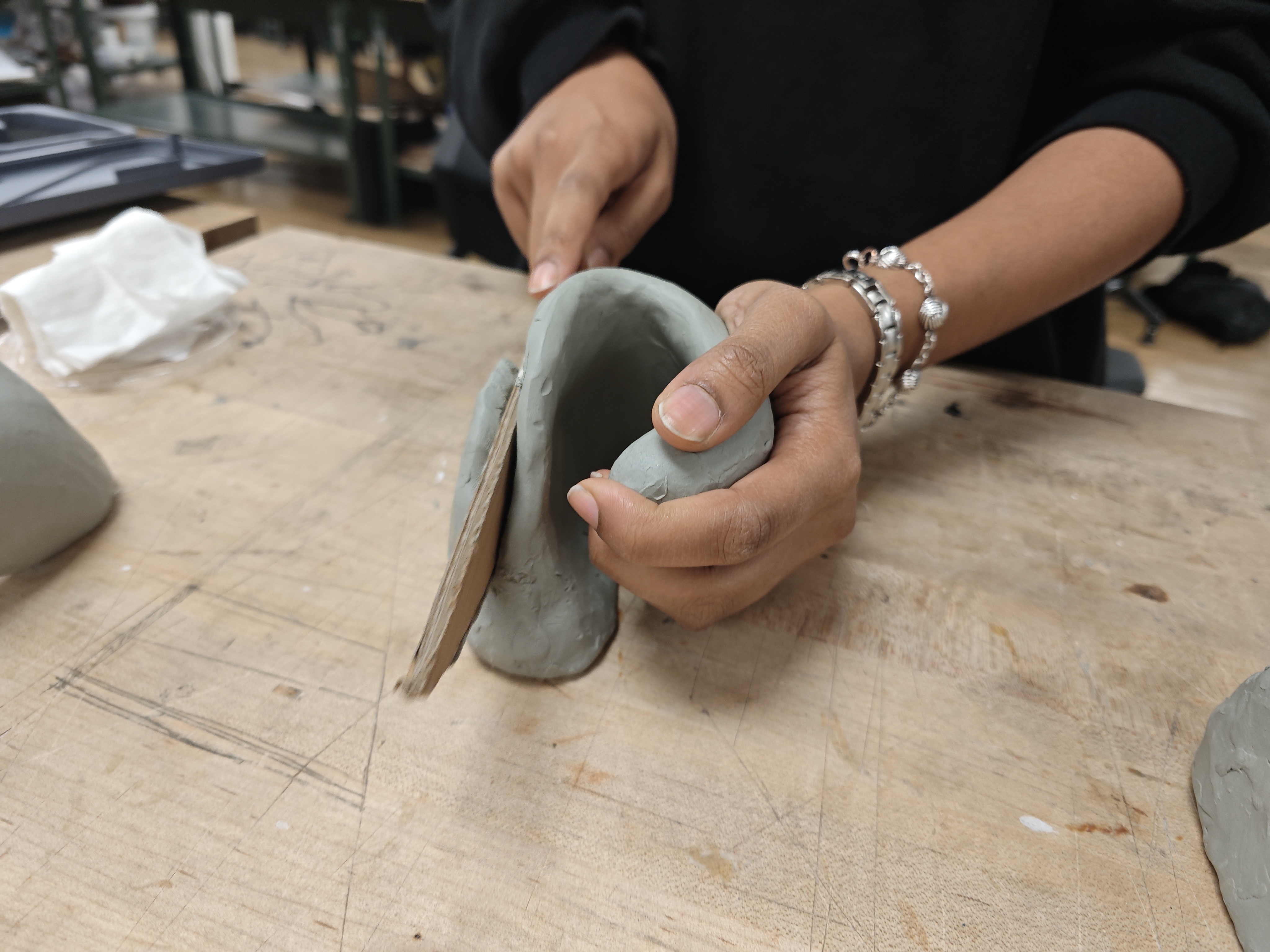
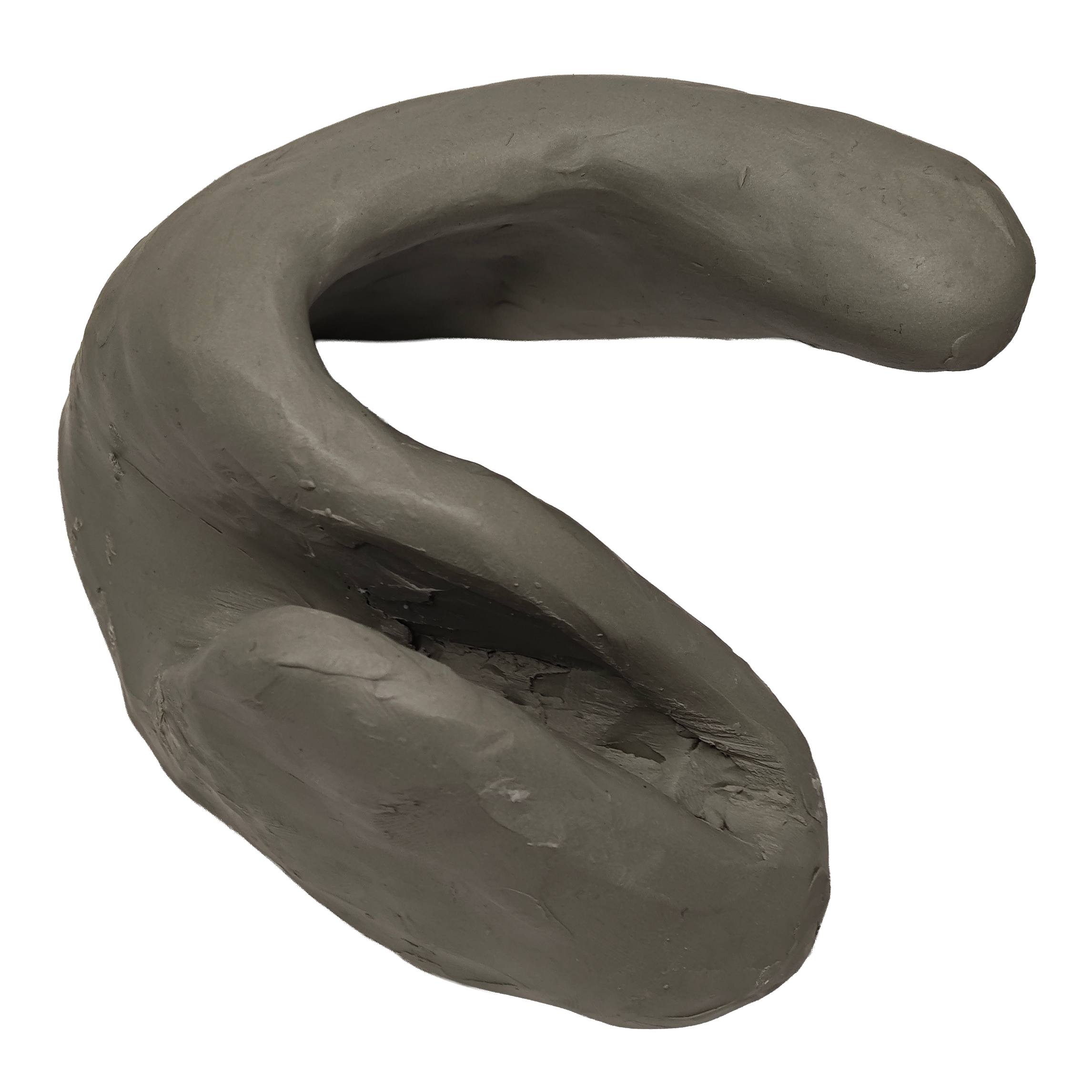
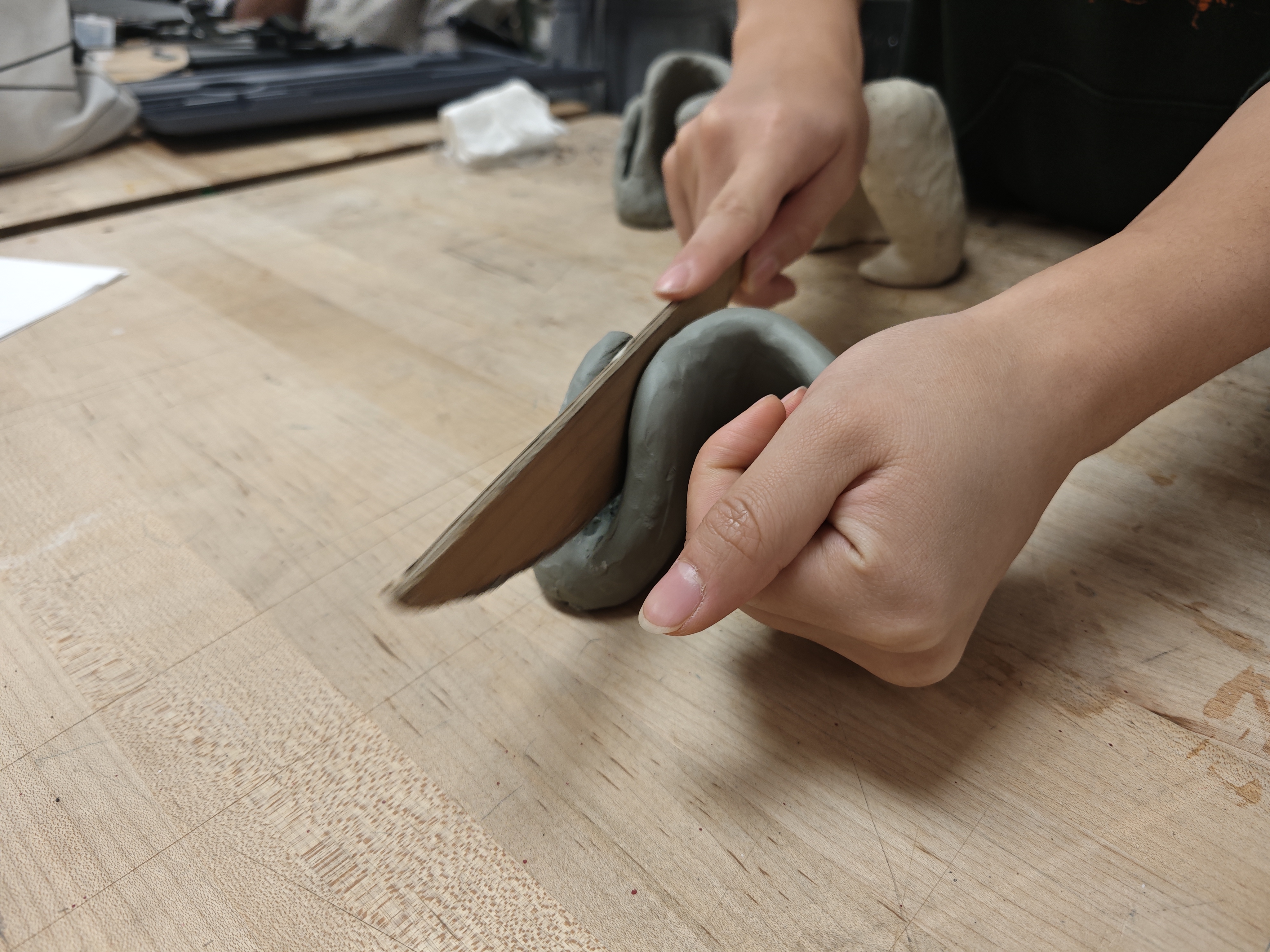
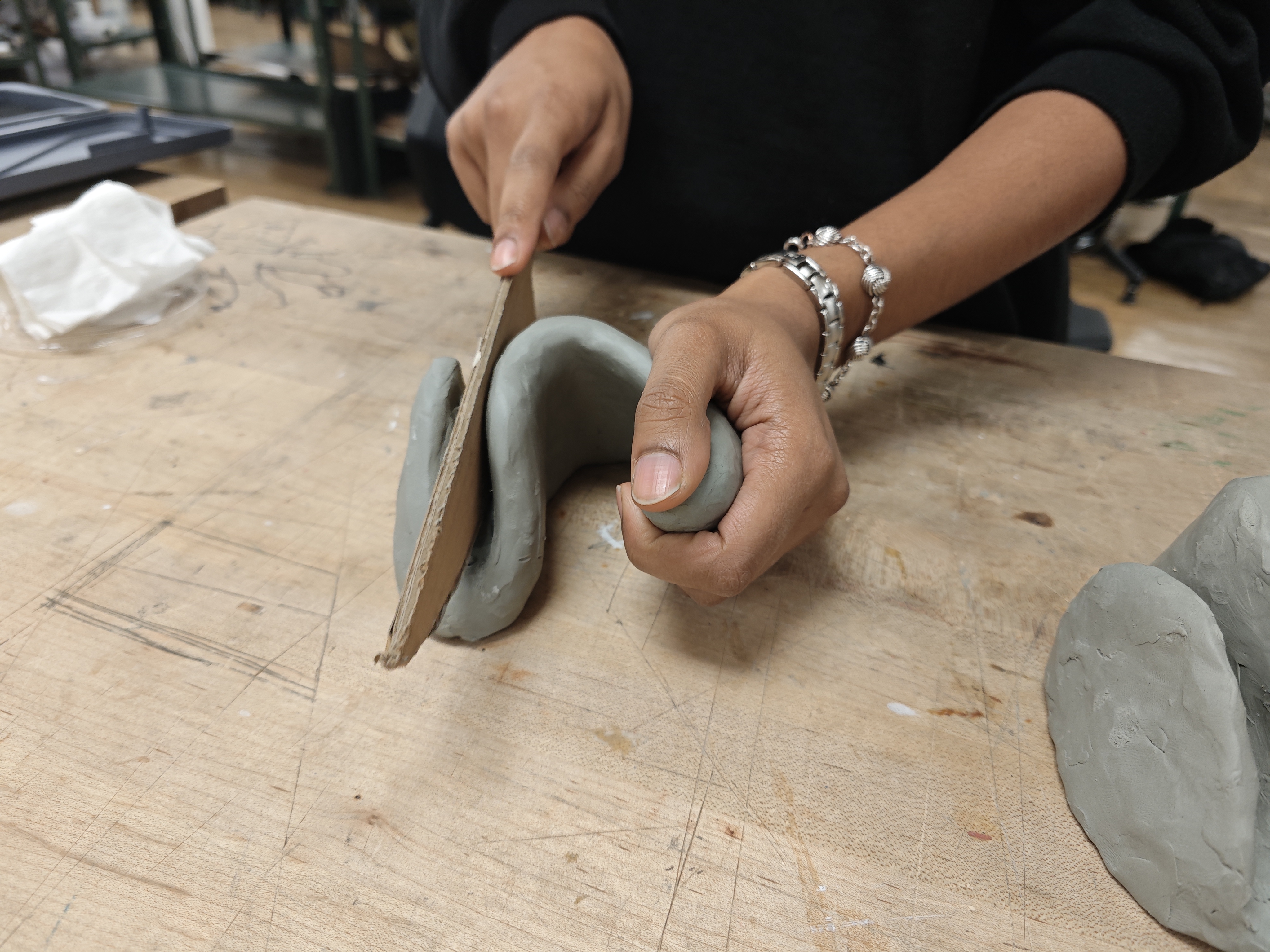
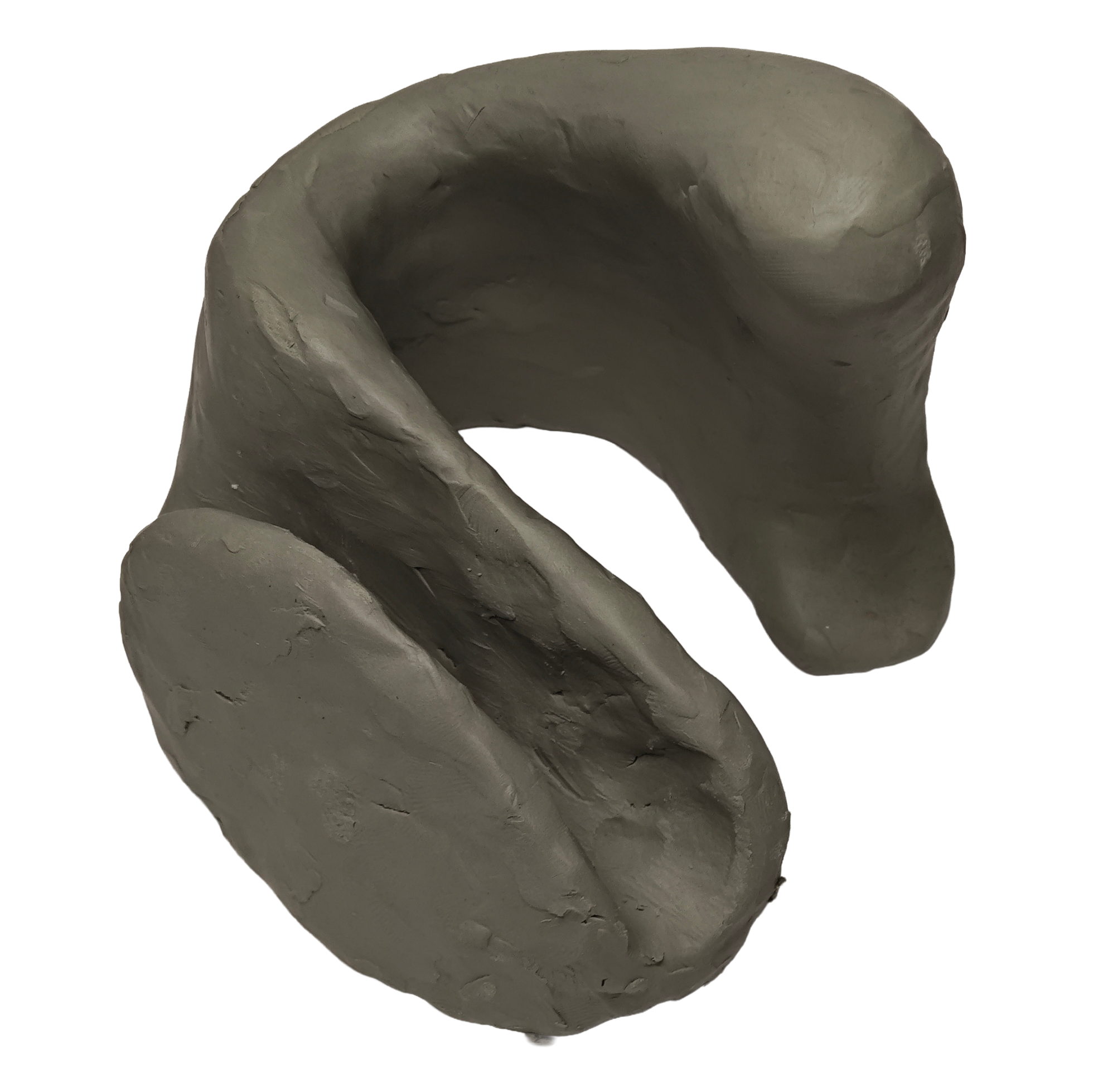
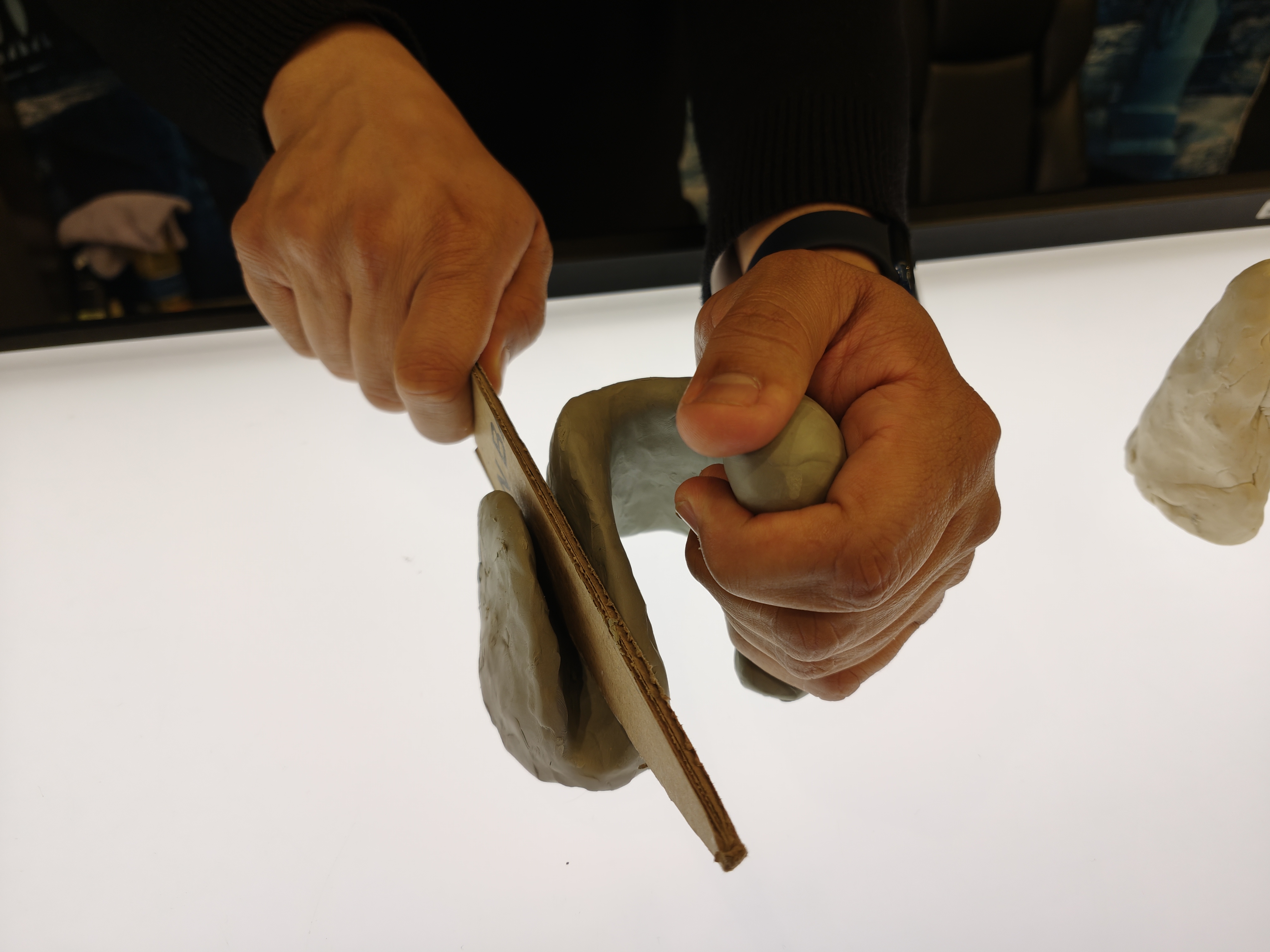
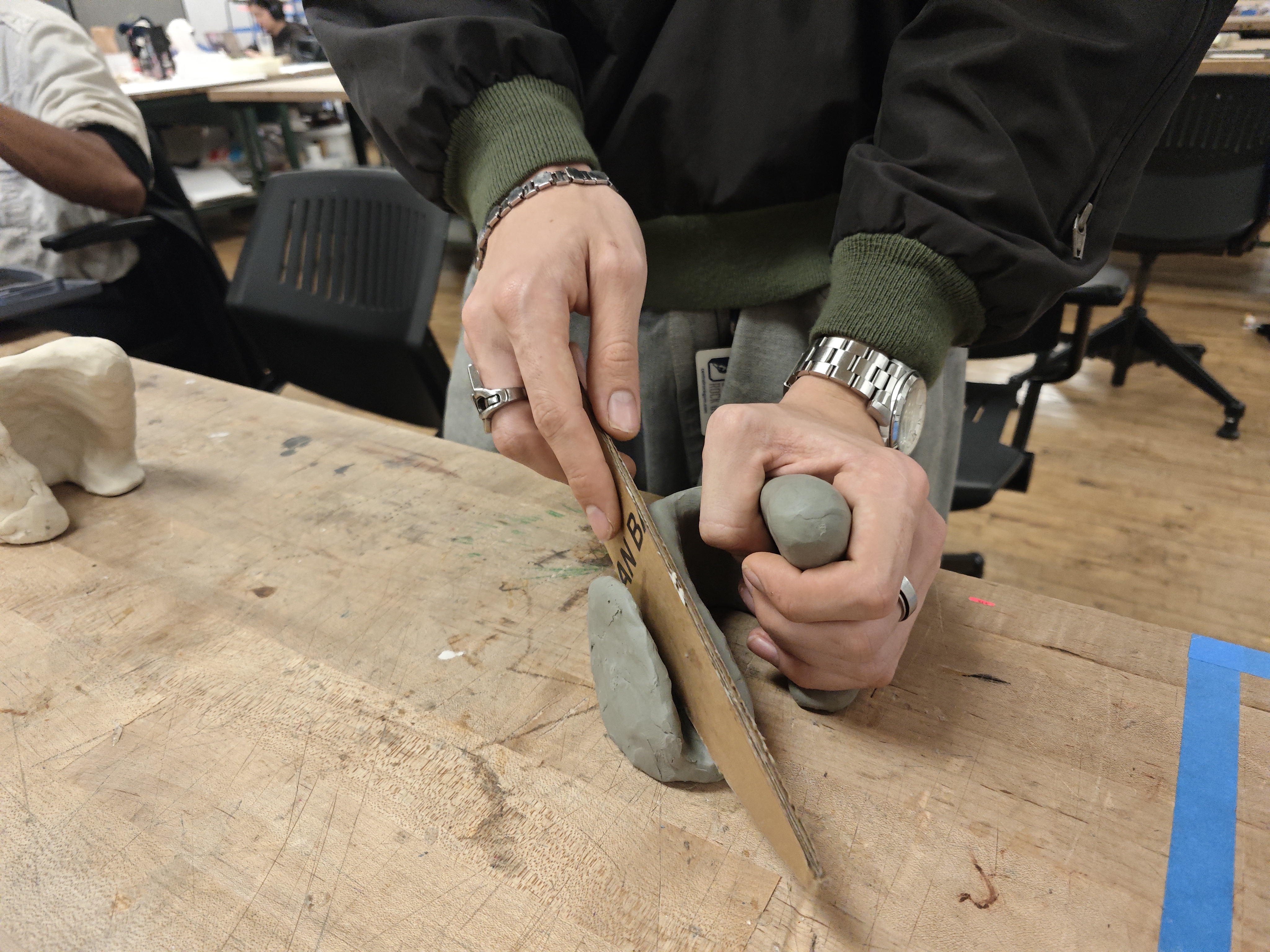
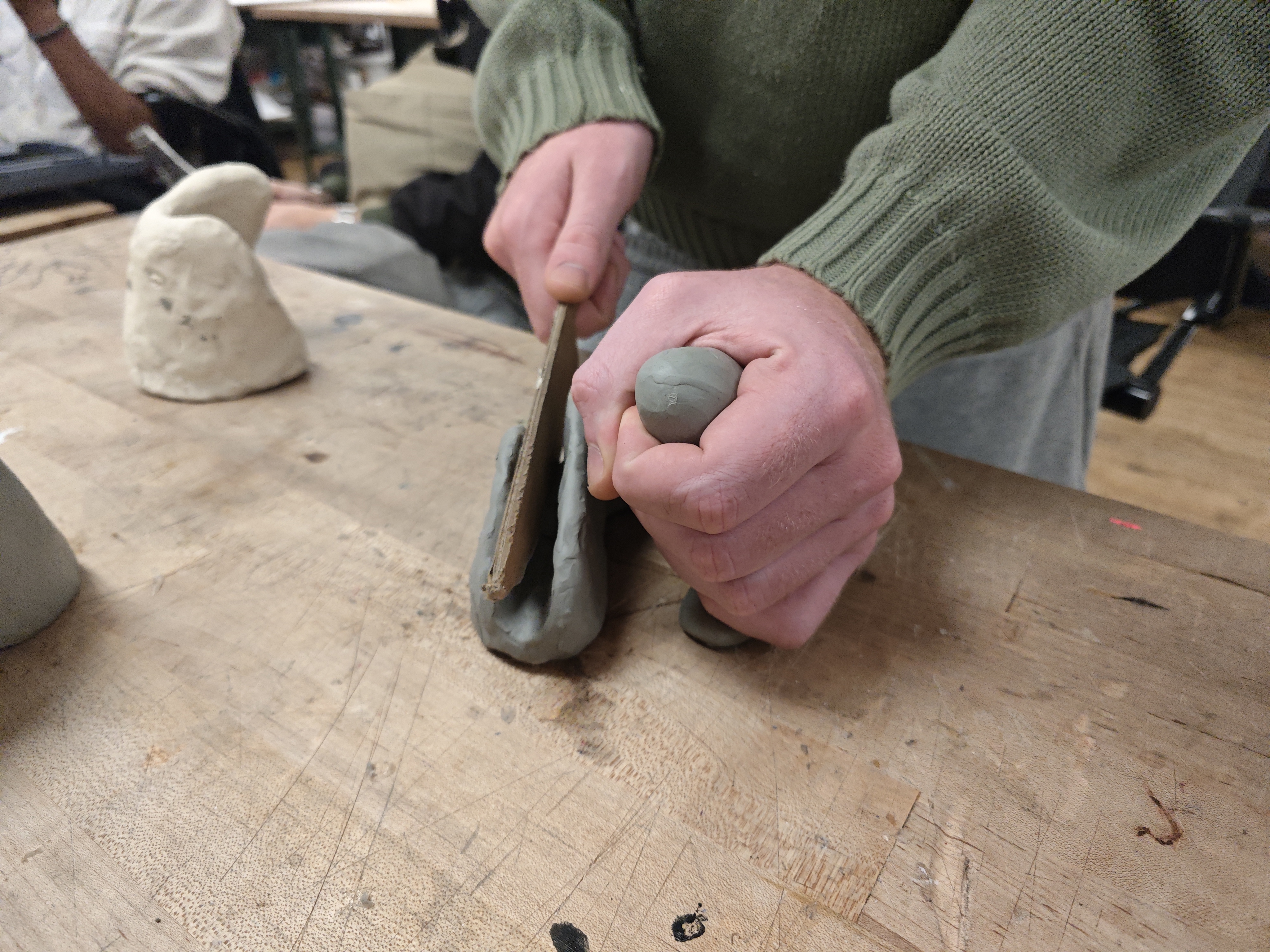
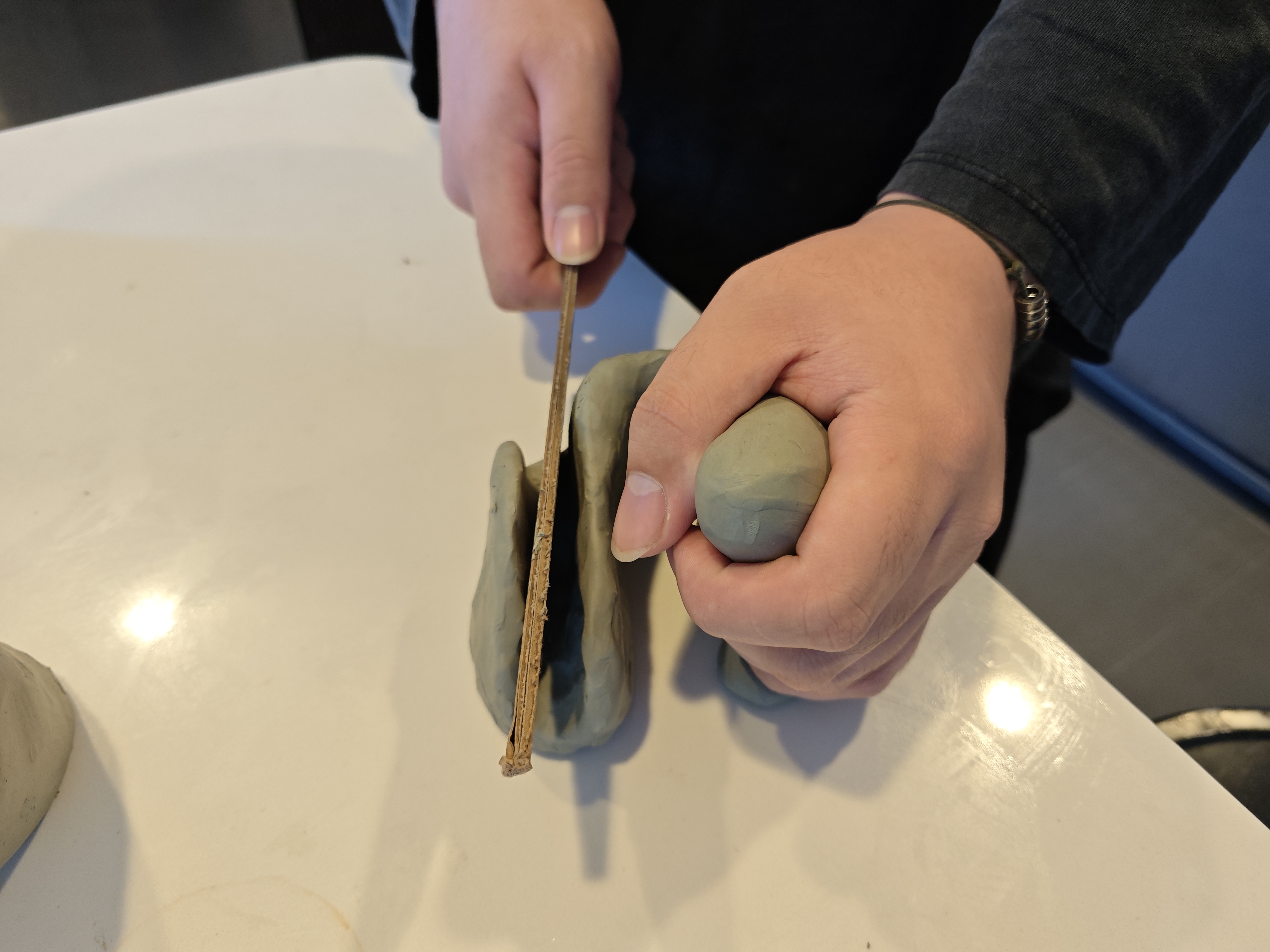
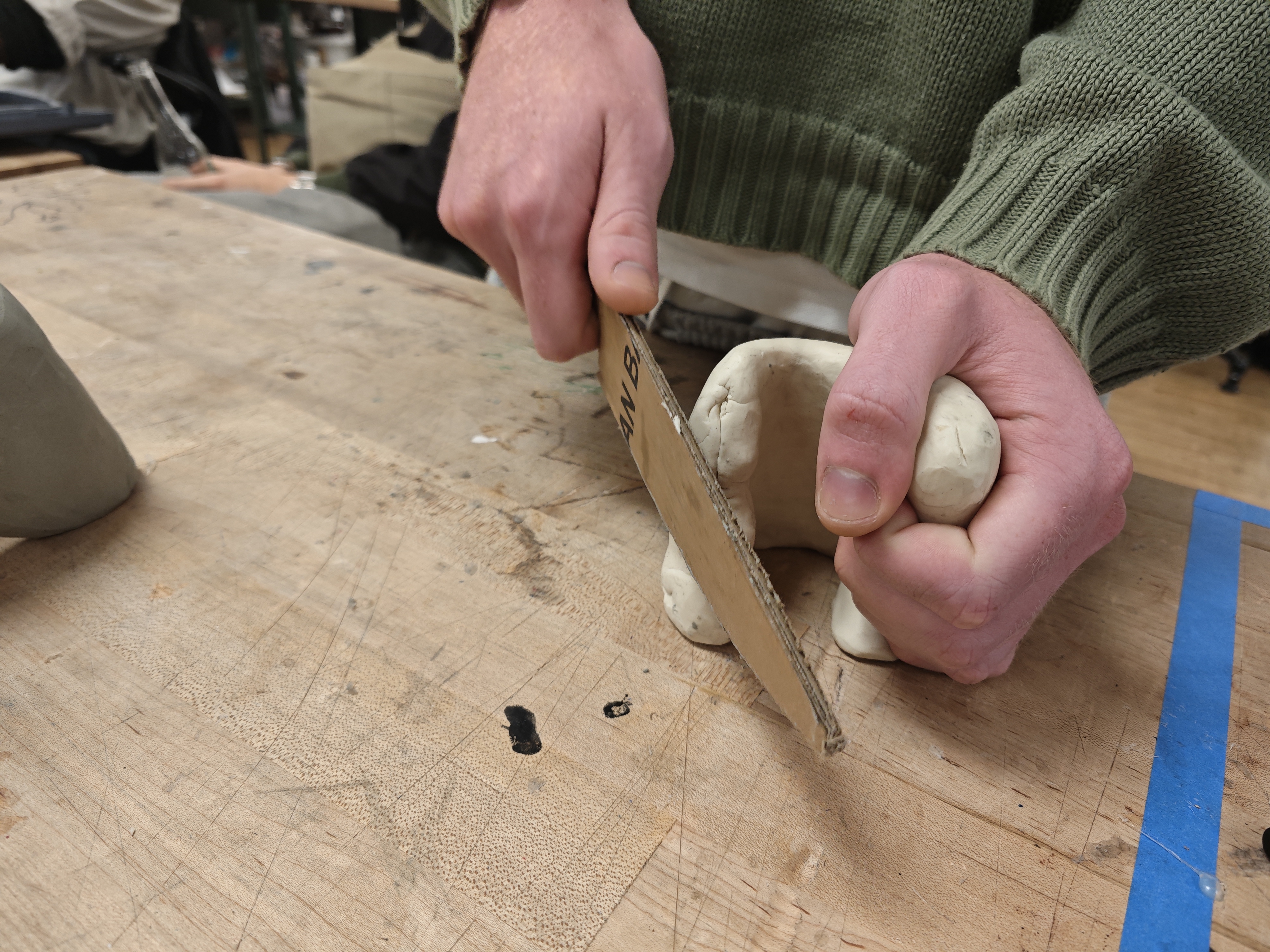
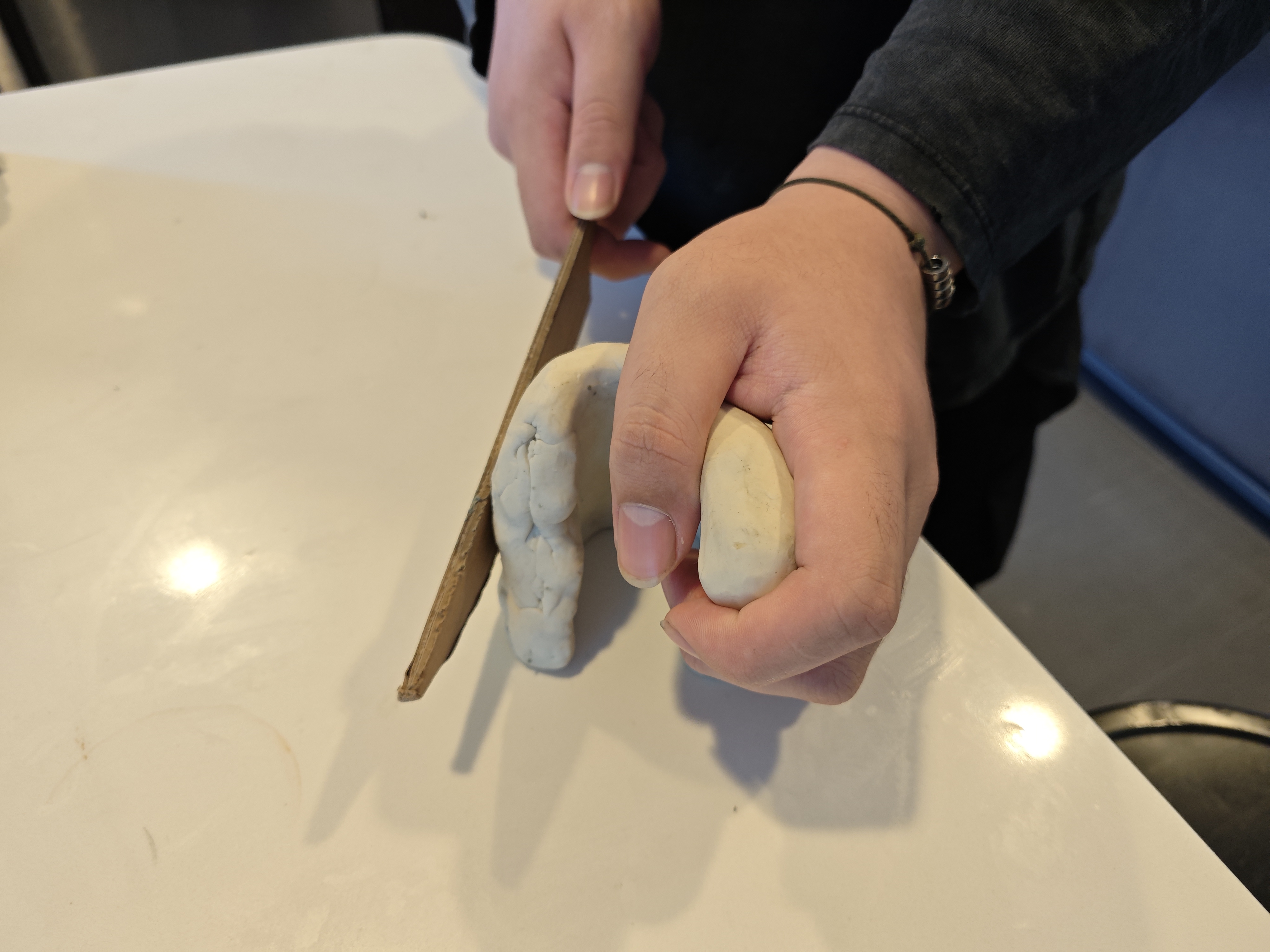
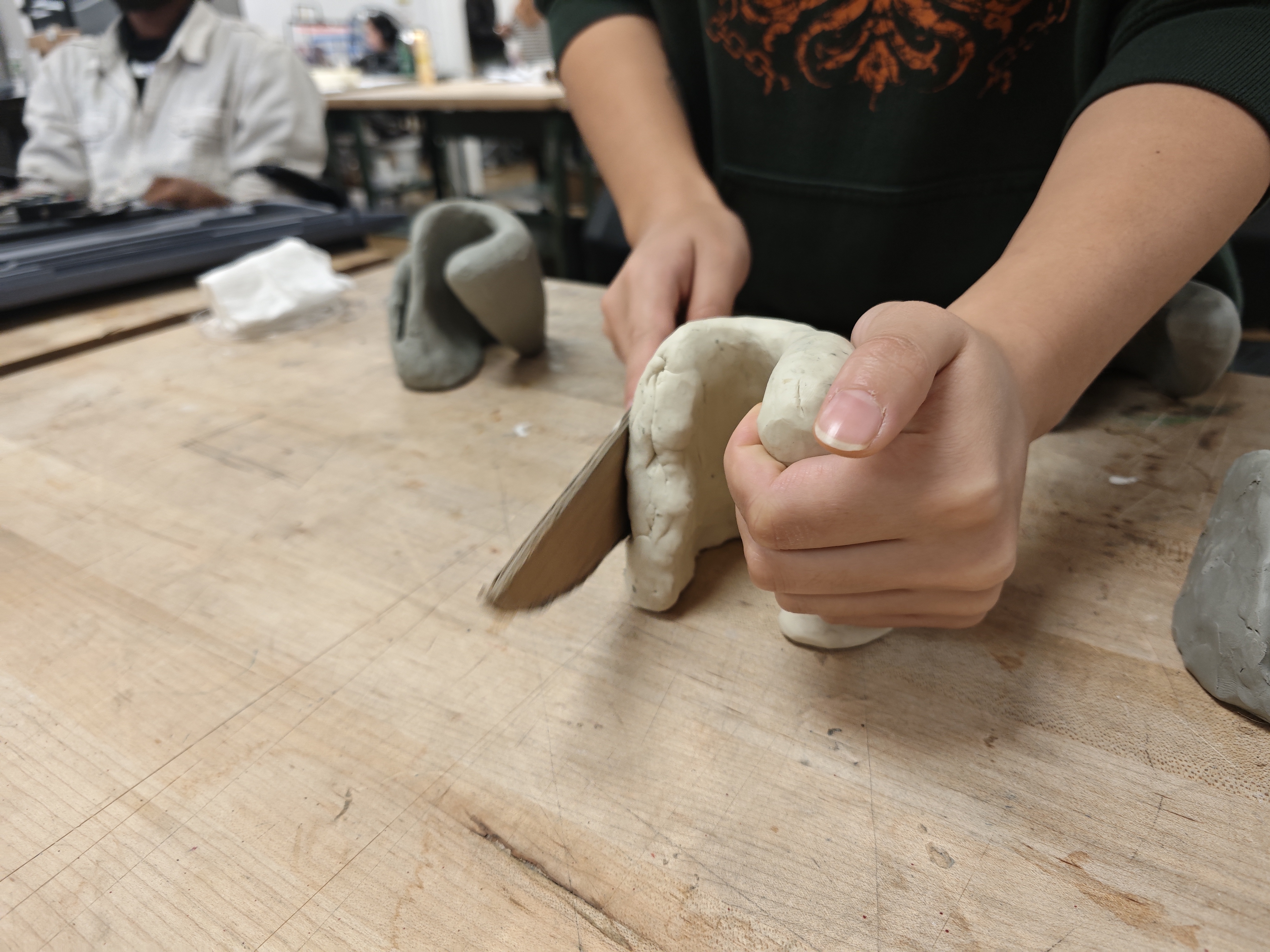
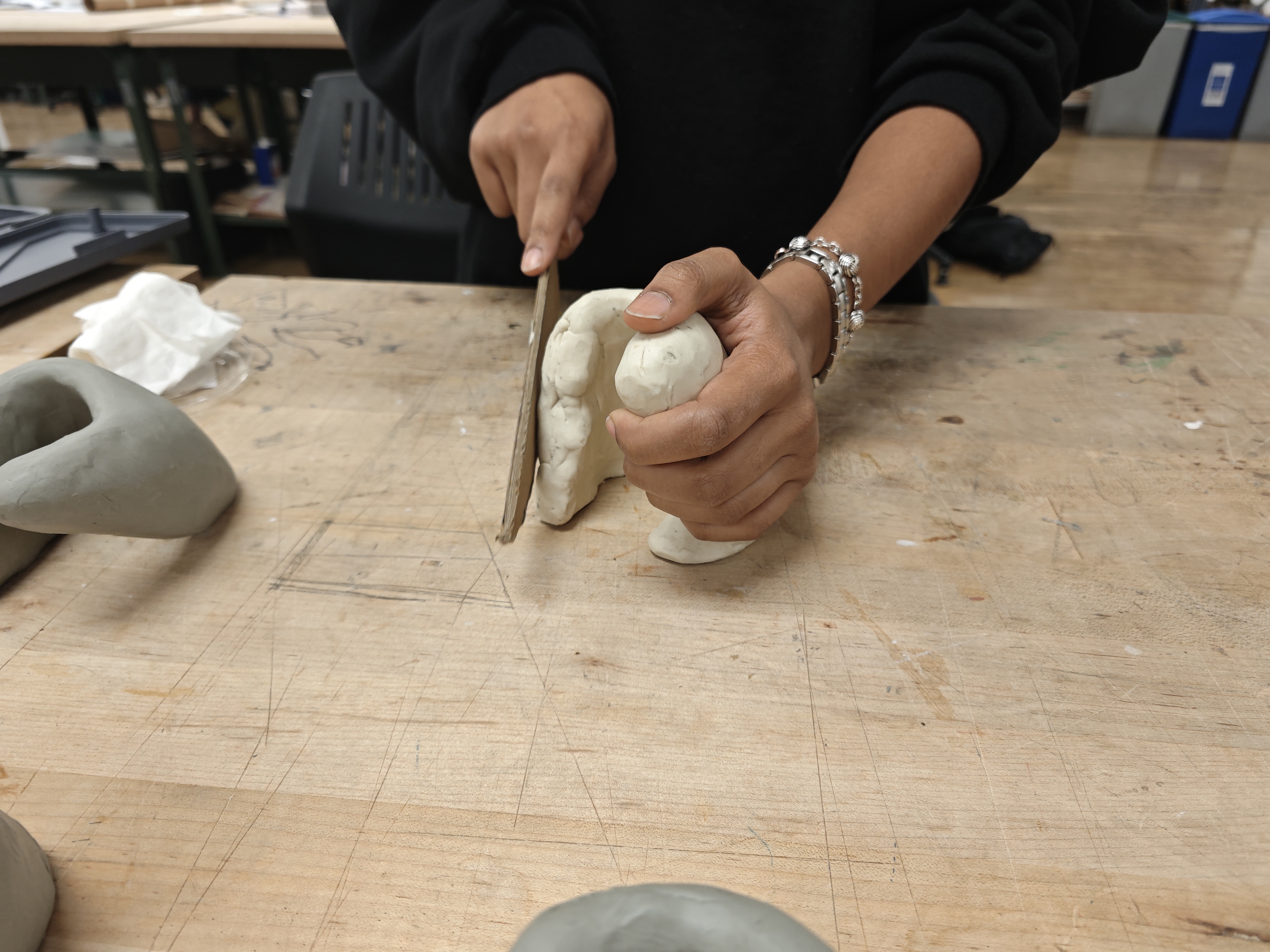
Four clay prototypes were developed to test specific ergonomic variables: handle clearance, overall height, rear support height, and pinky rest integration. Evaluation sequences were randomized across all participants to eliminate testing bias.
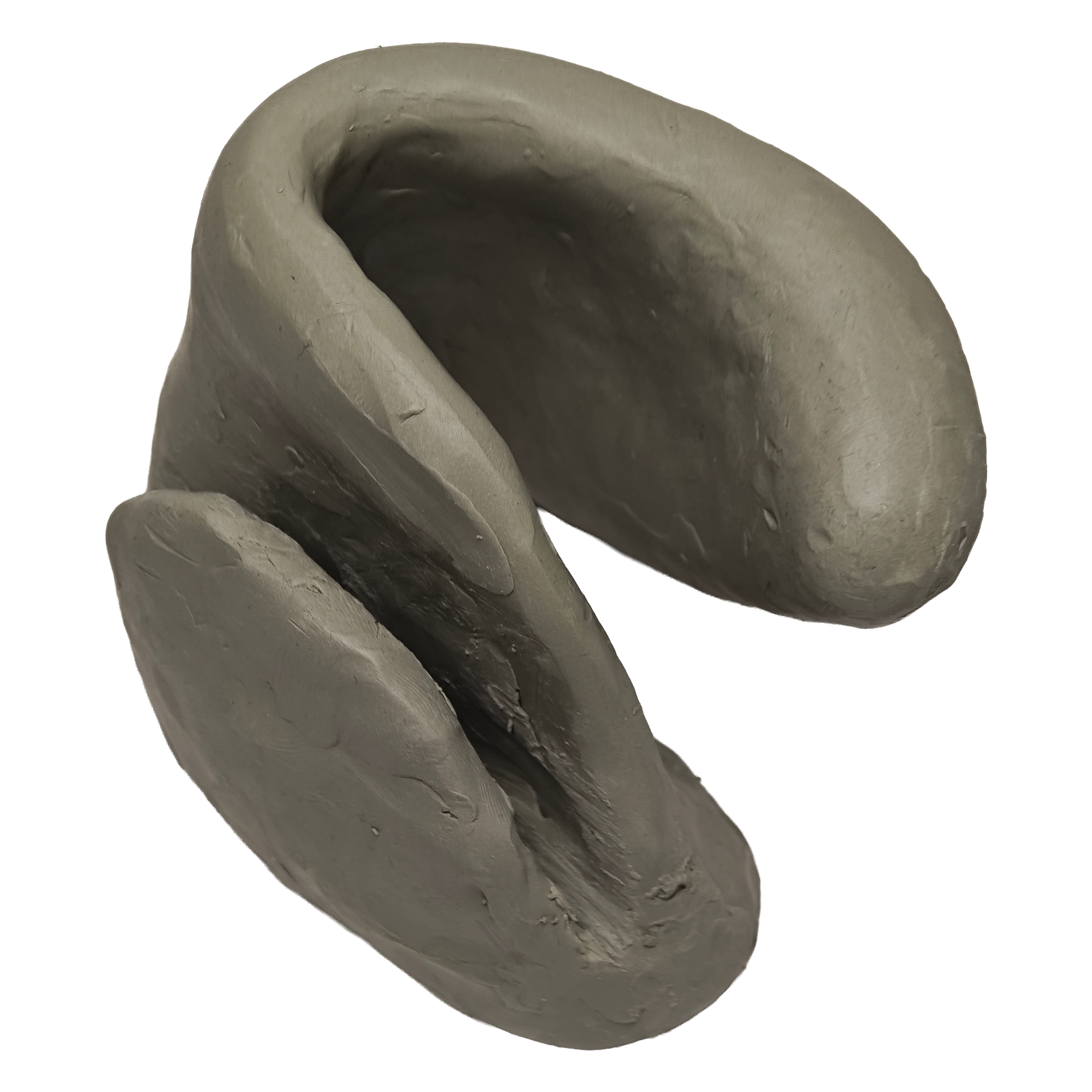
Variant A
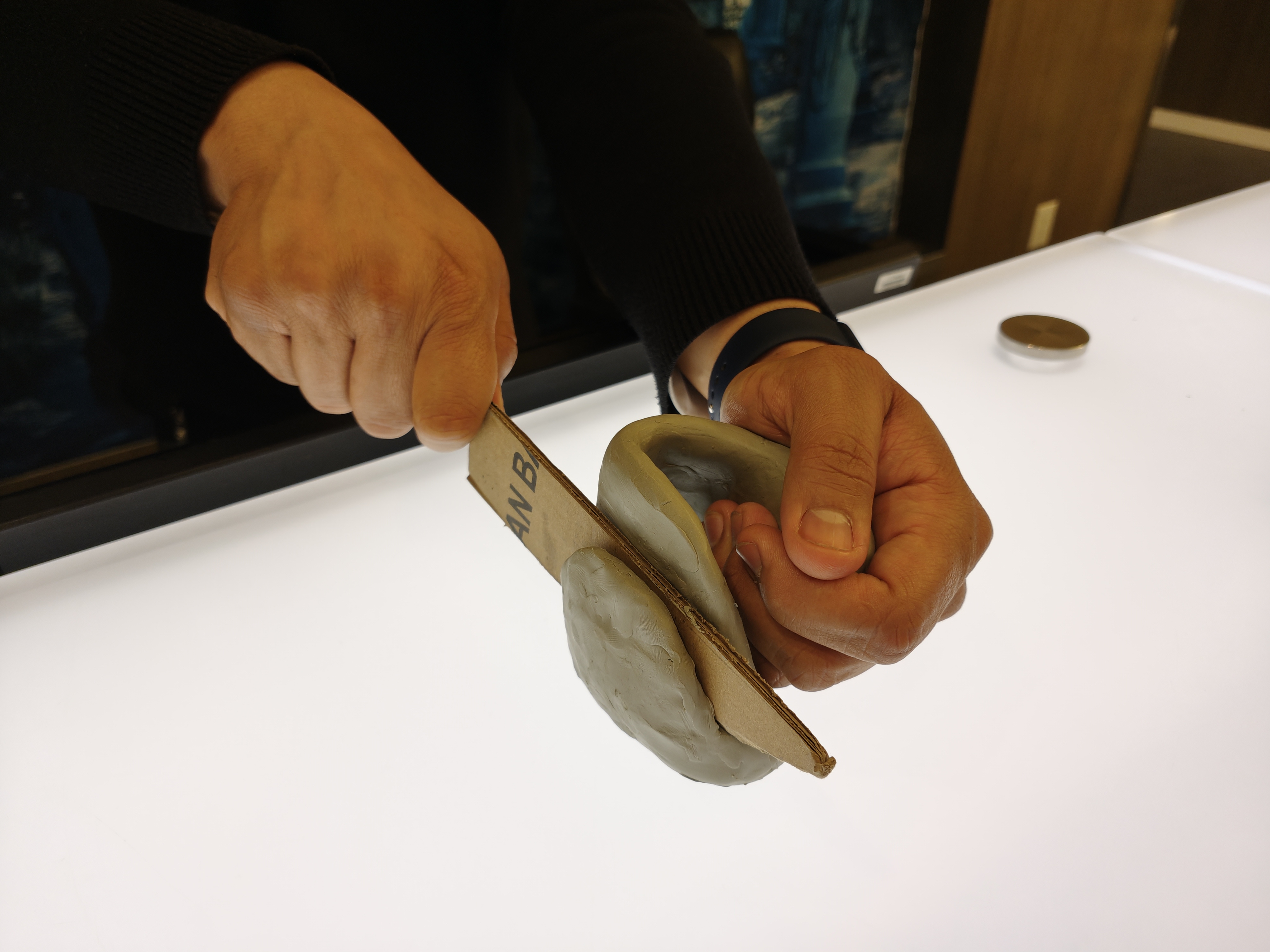
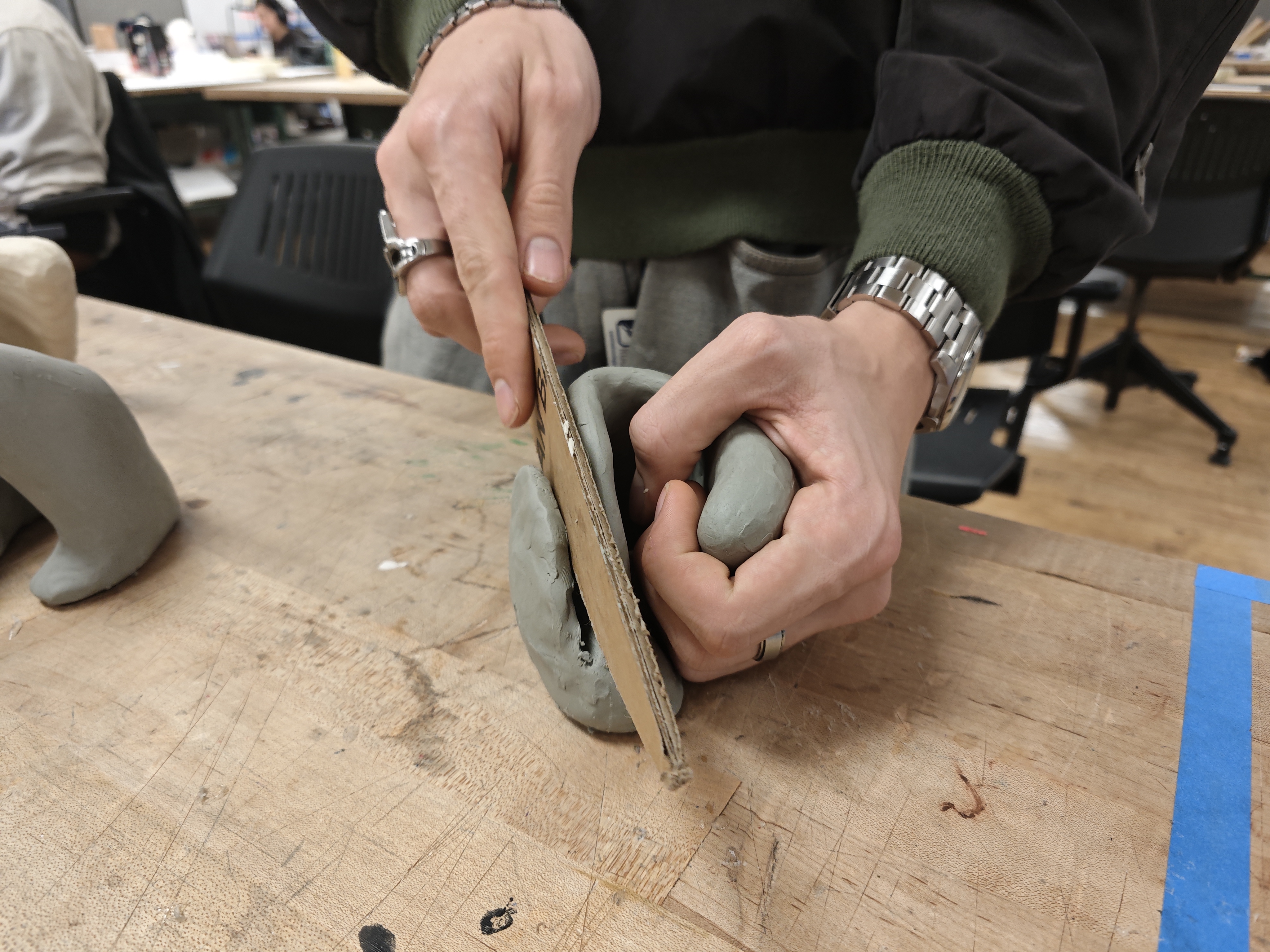
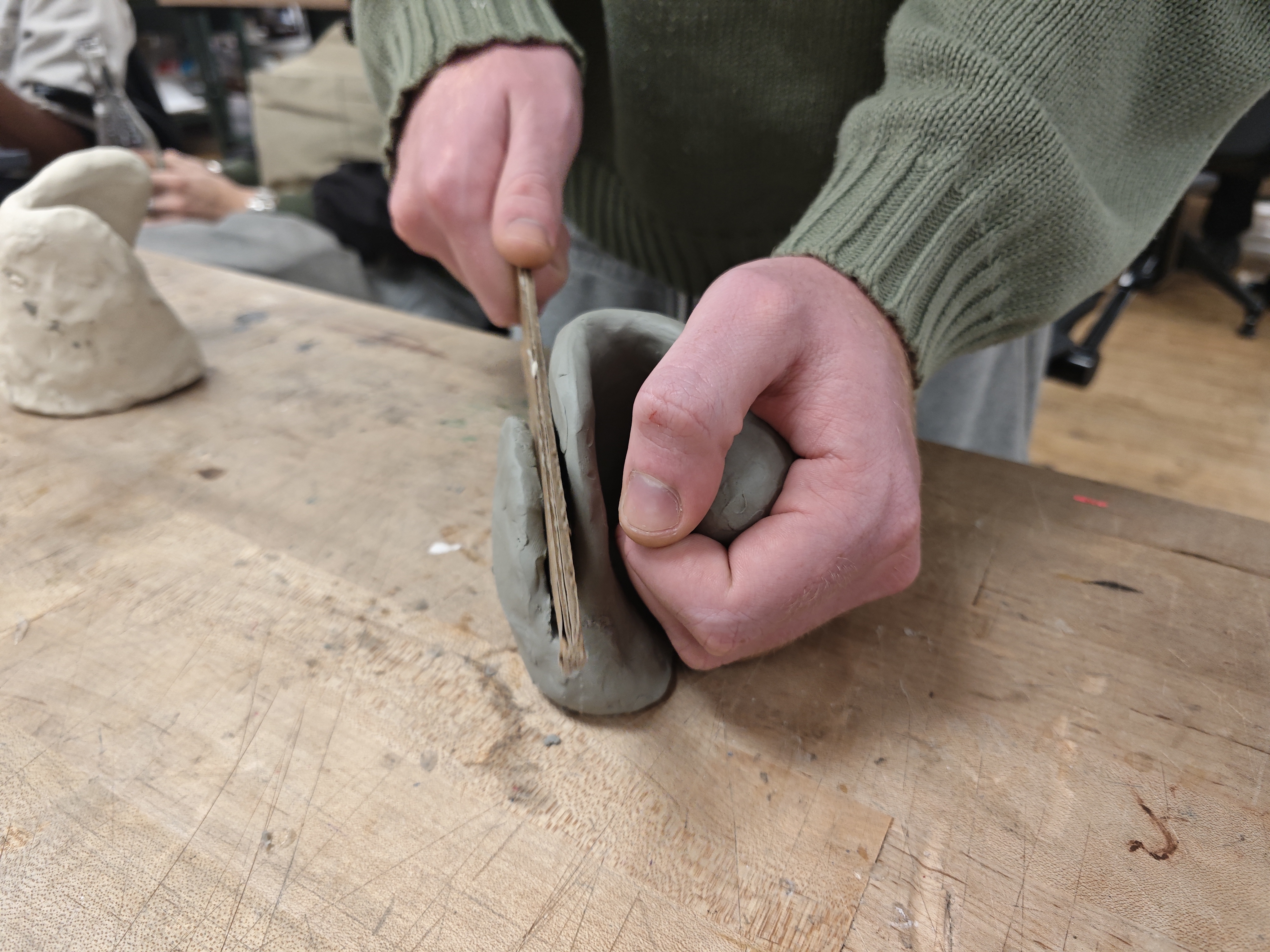
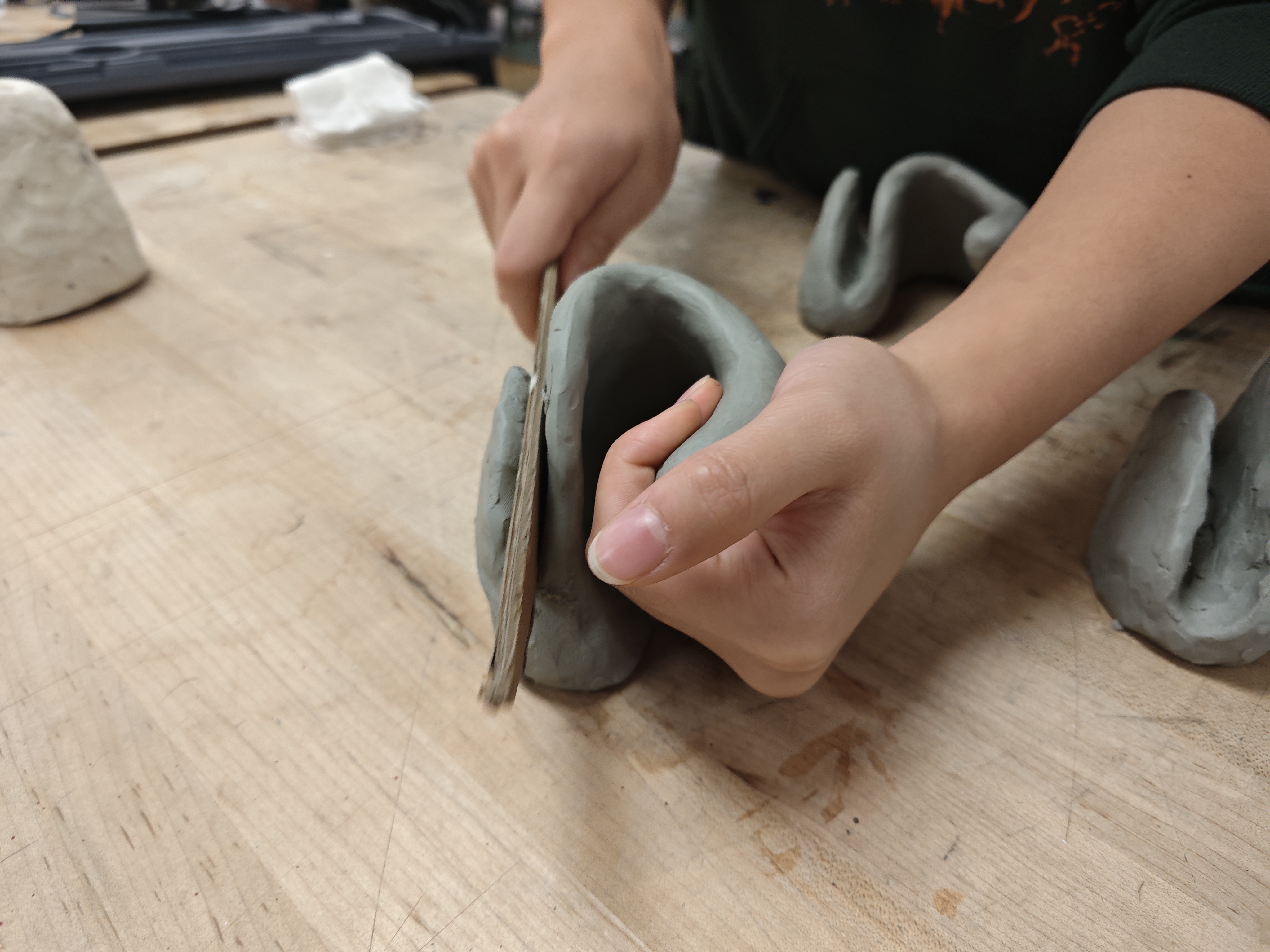
Variant B
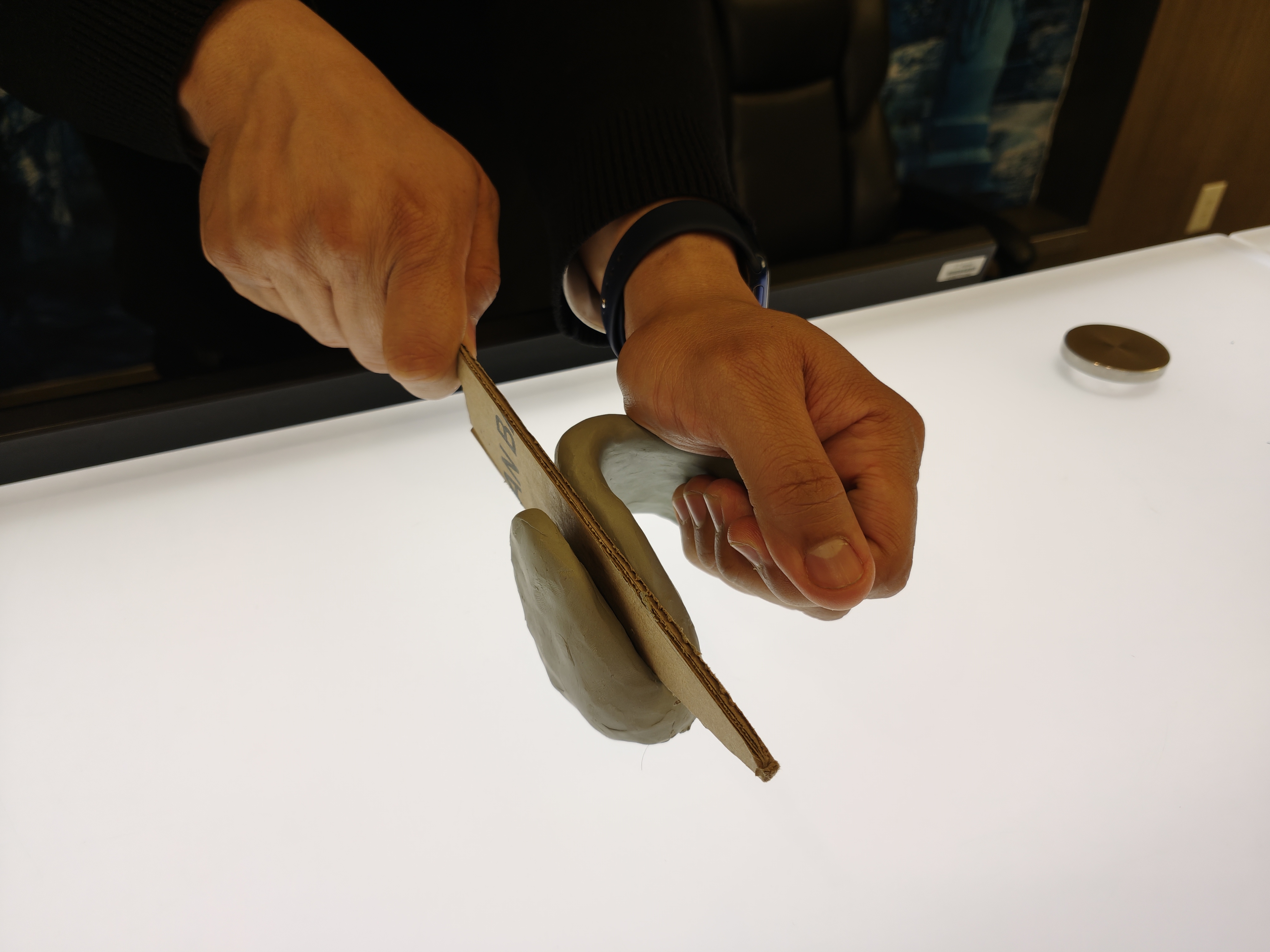
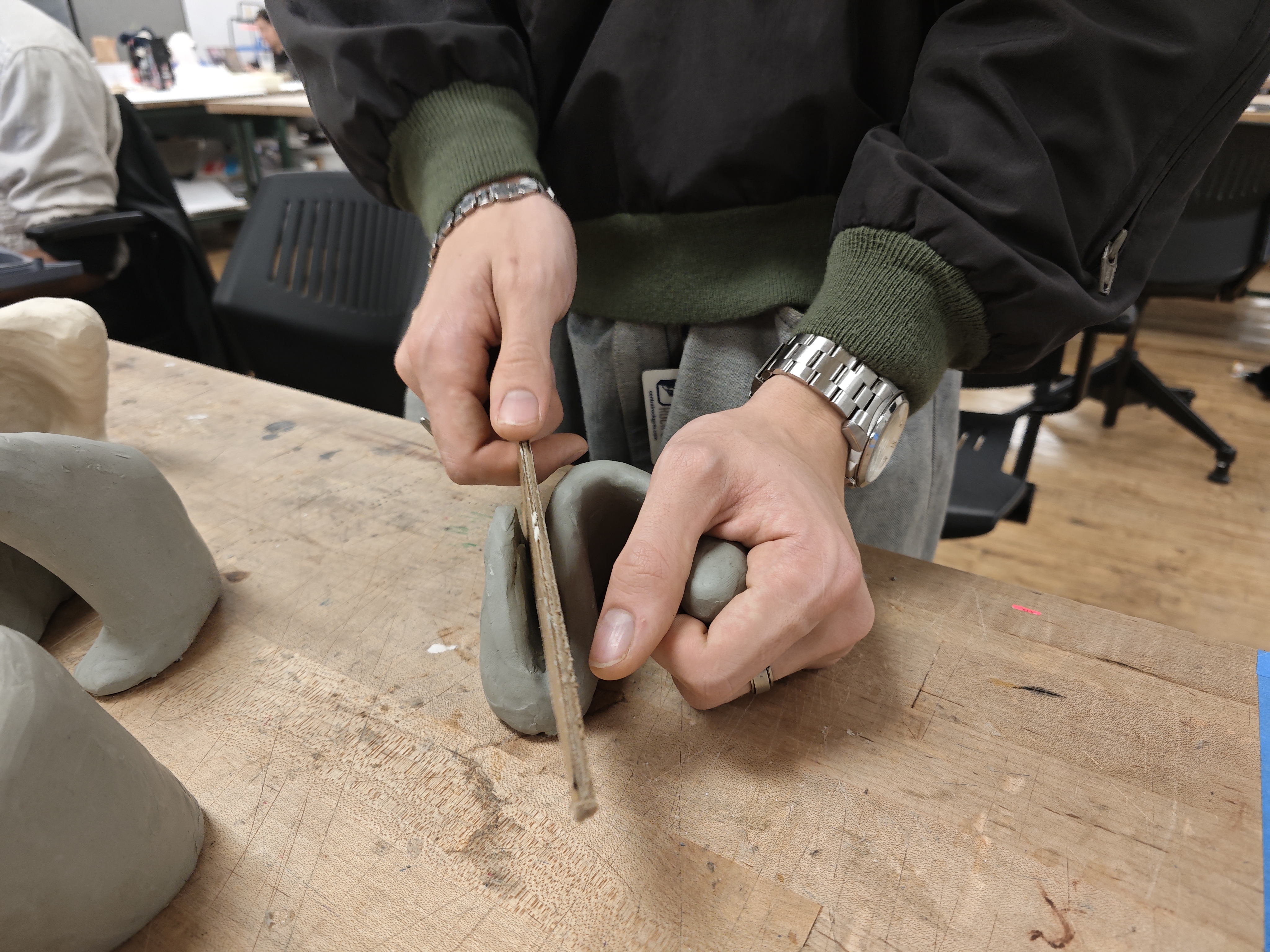
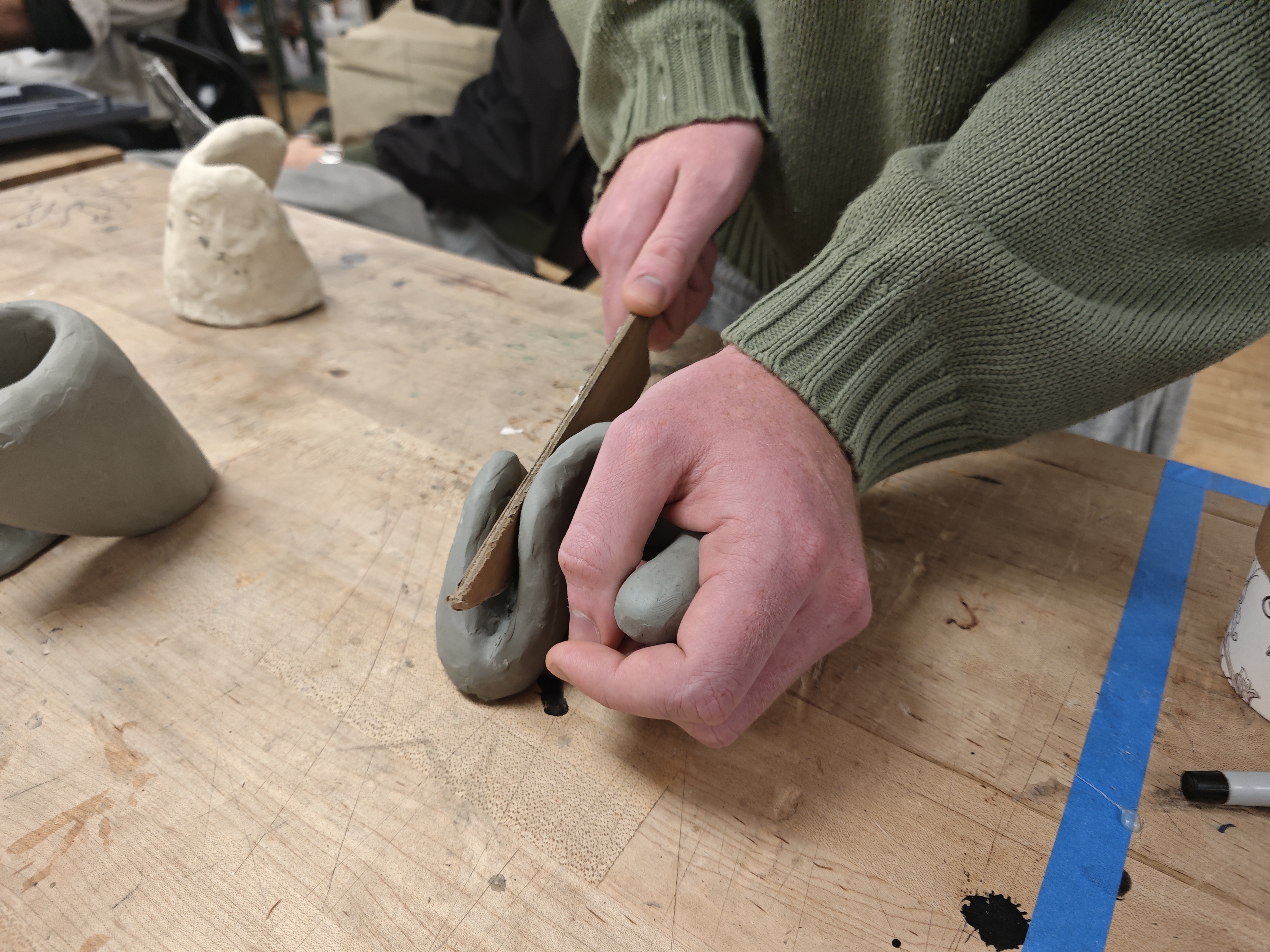
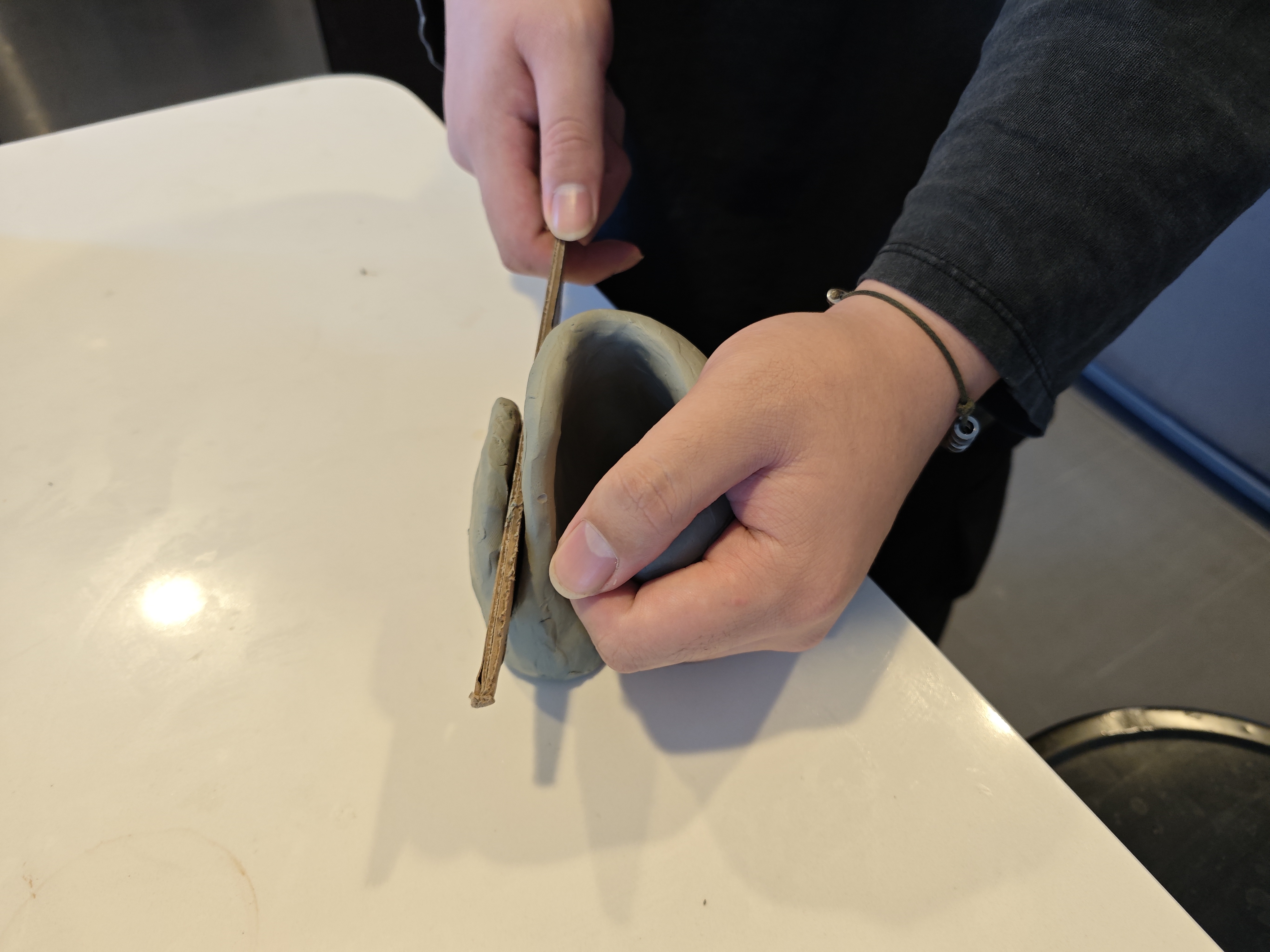
Variant C
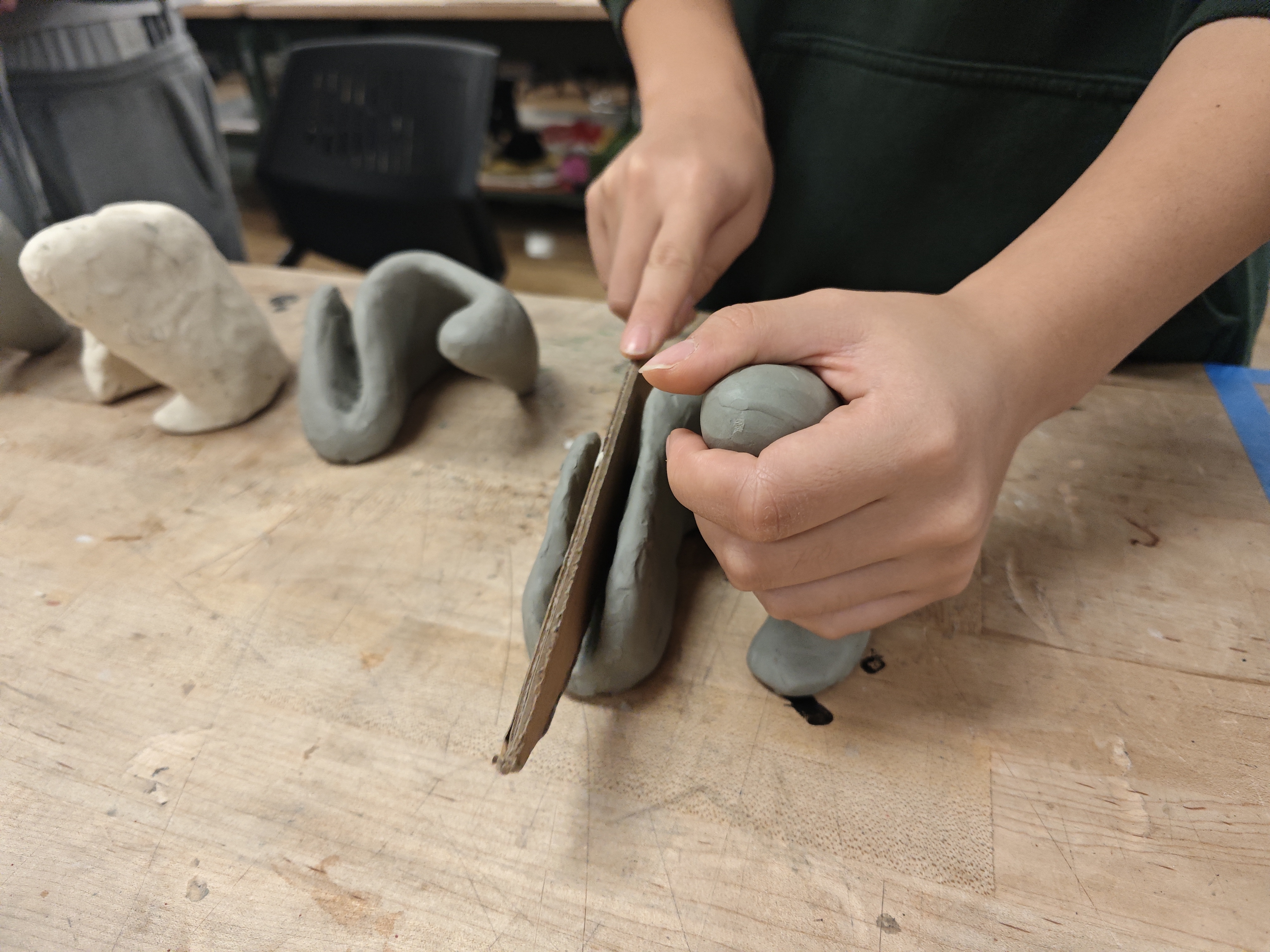
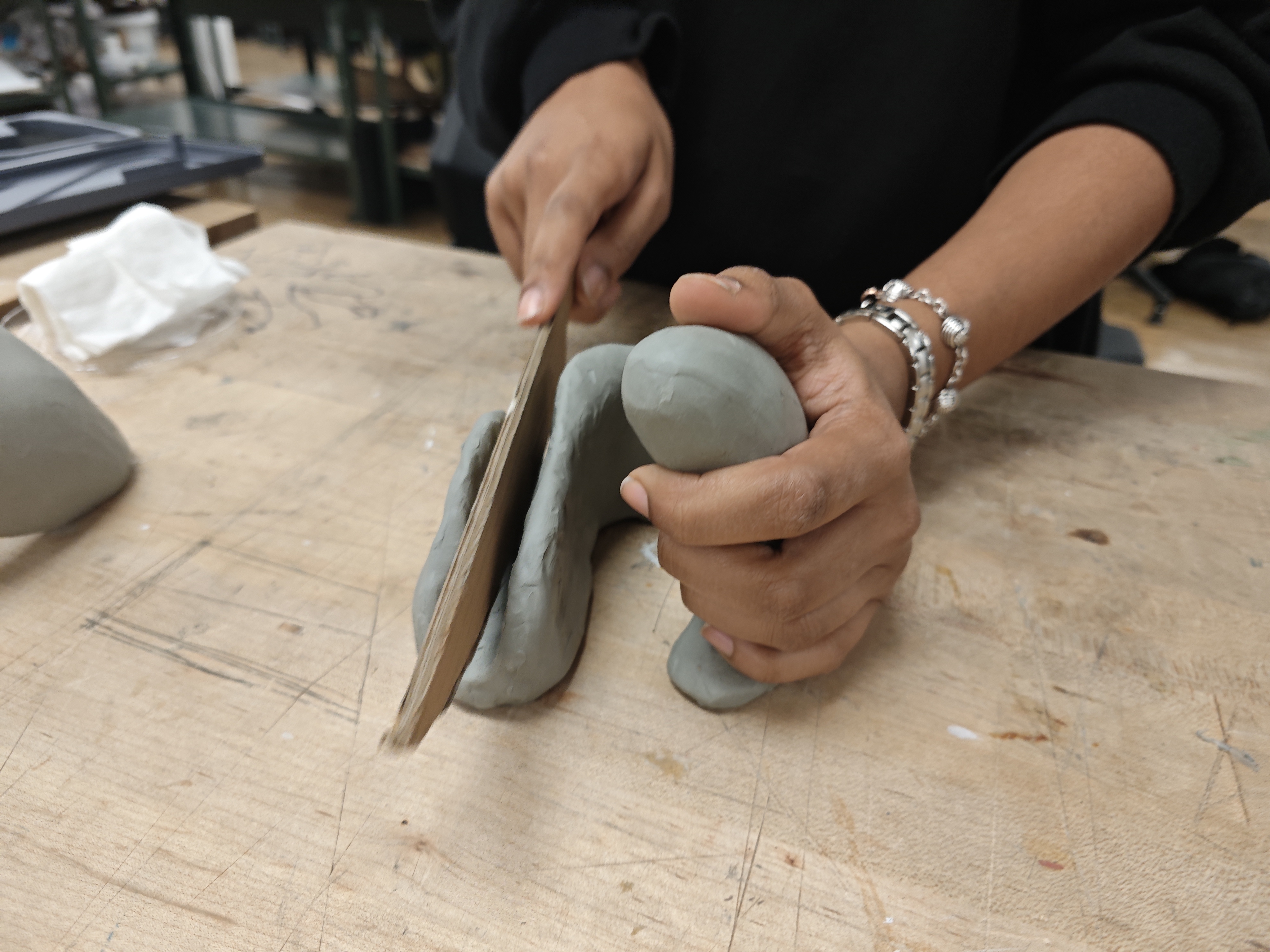
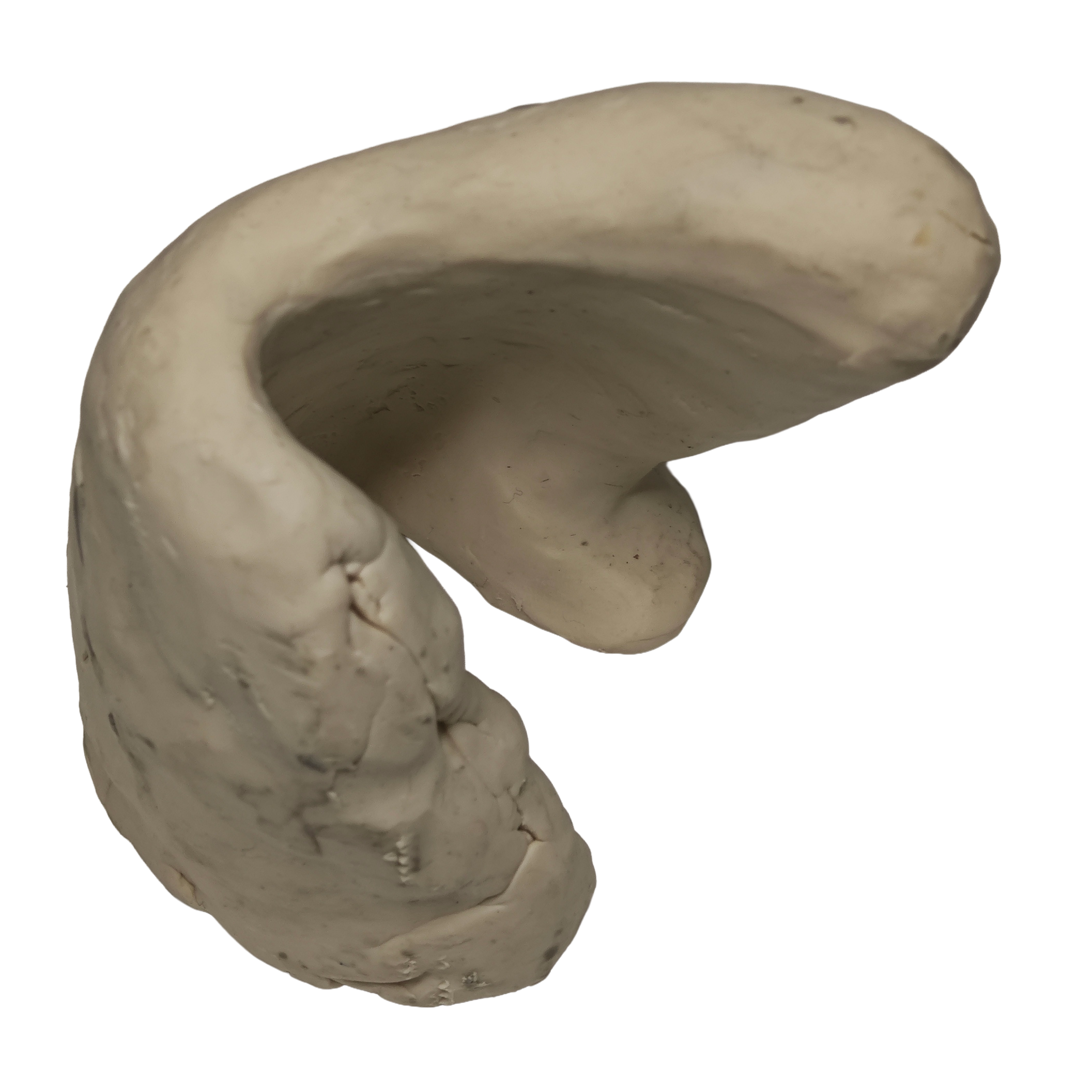
Variant D
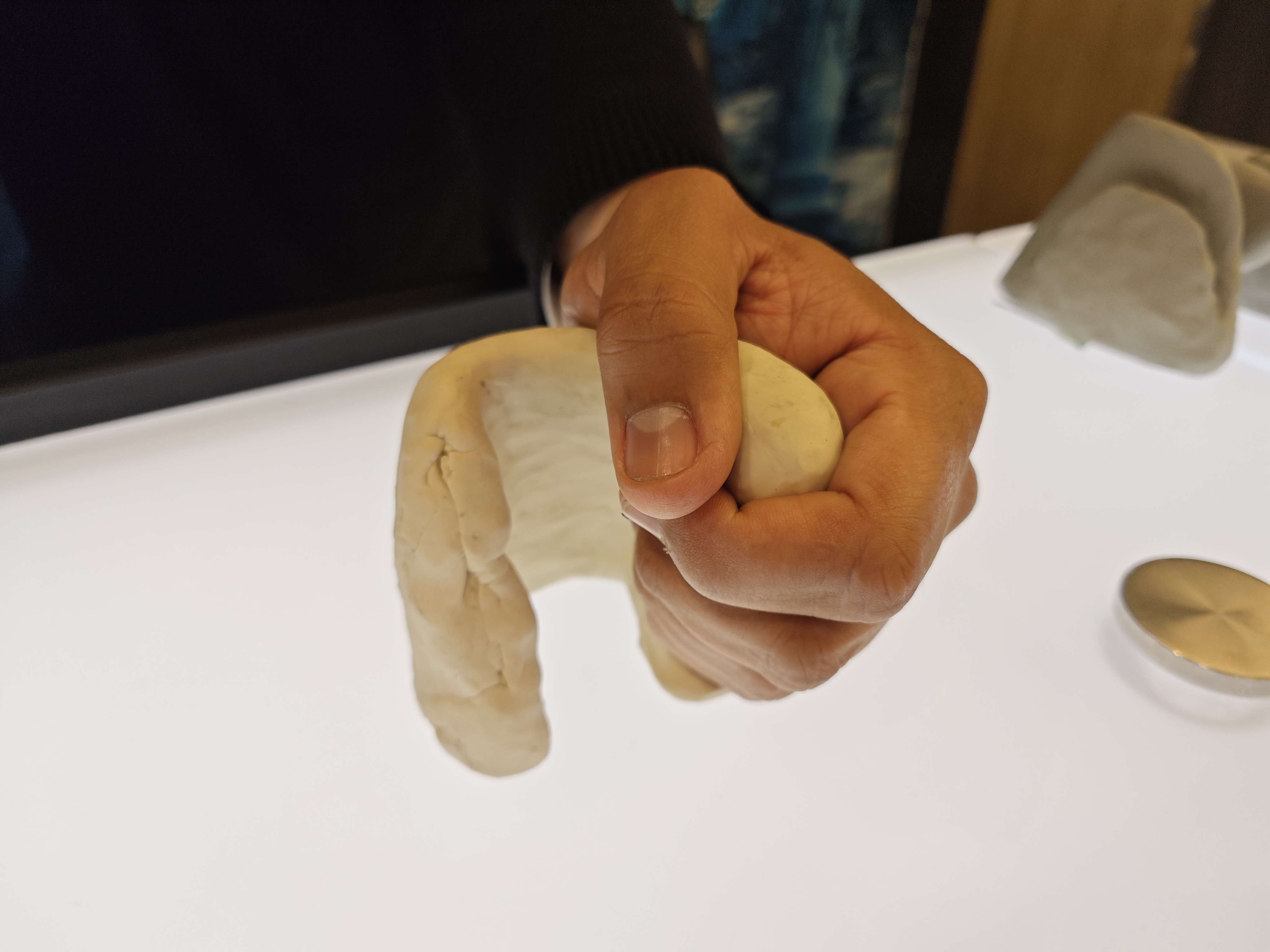
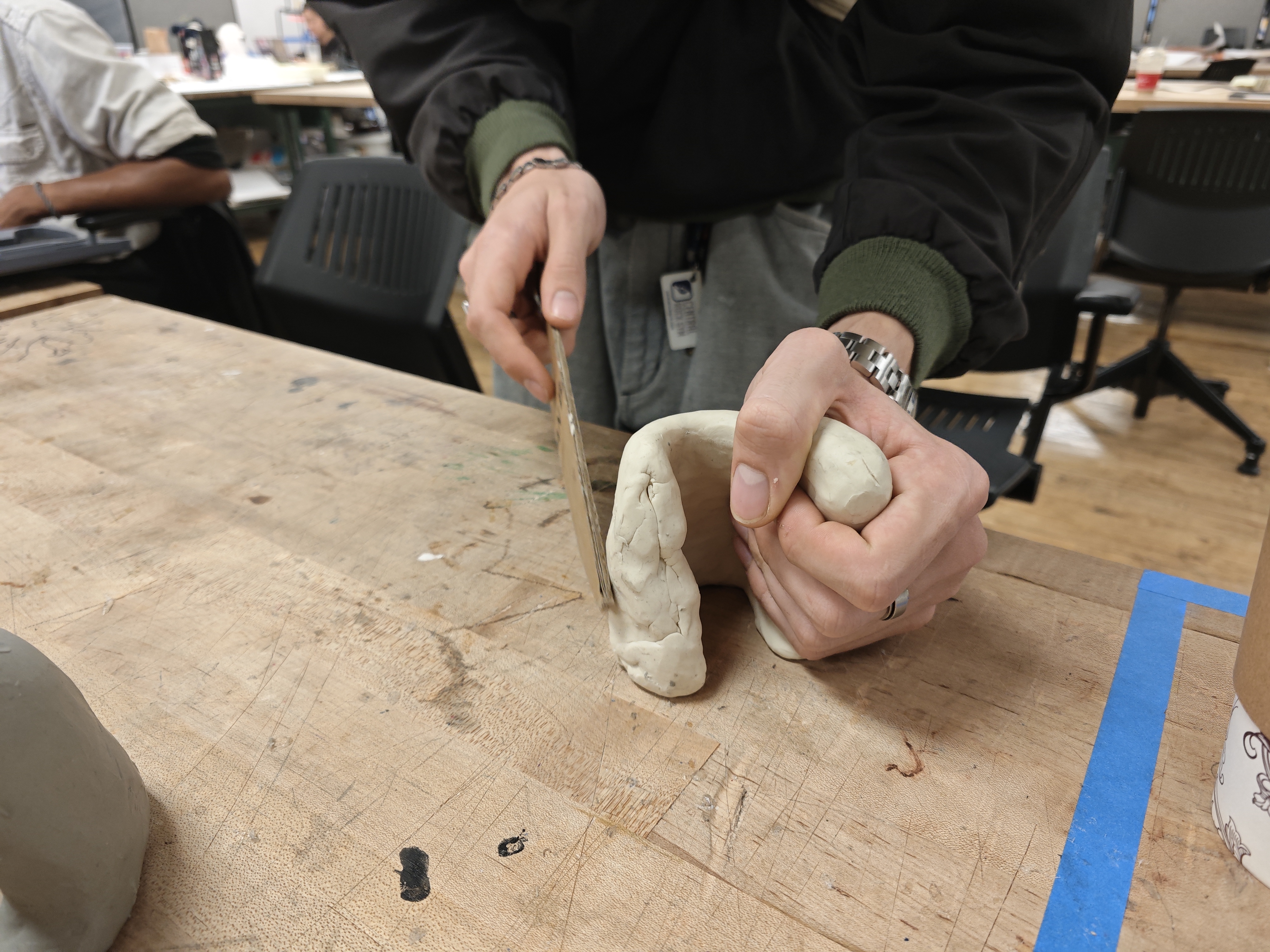
TESTING RESULT AND ANALYSIS
| VARIANT | VISUAL PERFORMANCE | SCORE / 4 |
|---|---|---|
| Variant A | 2.0 | |
| Variant B | 2.0 | |
| Variant C | 3.5 | |
| Variant D | 2.5 |
* Average score based on participant feedback

Handle Space
Maintain a safe space between handle and knife sharpening section.

Handle Front
Be taller and relatively larger, for better grip.

Handle Back
Declining back of the handle for better grip and comfort.

Pinky Rest
Pinky rest to counteract downward force, and comfort.
Iterating toward high-fidelity geometry.

User Testing Pt2